

Best Self Adhesive Protective Film Manufacturer: What to Look for in Quality and Durability
2026-10-28
Choosing a self-adhesive protective film manufacturer isn't just about grabbing the first sample that sticks. Real quality and durability show up weeks later—when the film peels clean, resists tears, and keeps surfaces scratch-free under heat, moisture, or rough handling. In this post, we break down the practical checks that separate a dependable supplier from a costly gamble. With brands like Shire pushing the bar higher, knowing what to look for can save you from rework, returns, and damaged reputations.
Why the Cheapest Quote Often Costs the Most in the Long Run
A rock-bottom estimate can feel like a win until the first repair bill arrives a few months later. Contractors who underbid often make up the difference through thinner materials, rushed labor, or change orders once the job is underway. You end up paying for the same project twice — once for the initial work and again to fix what should have been done correctly from the start.
Low quotes also tend to ignore long-term operating costs. Cheaper components wear out faster, require more frequent maintenance, and can drive up energy bills if they lack basic efficiency features. Over a five-year span, those small savings at signing often disappear under a pile of replacement parts and service calls.
A fair price usually reflects the true scope of the job: proper prep, skilled labor, and materials that won't fail under normal use. When comparing bids, look past the total and ask what's excluded, what warranty is offered, and how past clients fared a year after completion. The quote that seems slightly higher today may be the only one that doesn't come back to haunt you.
Film Thickness Is Only Half the Story
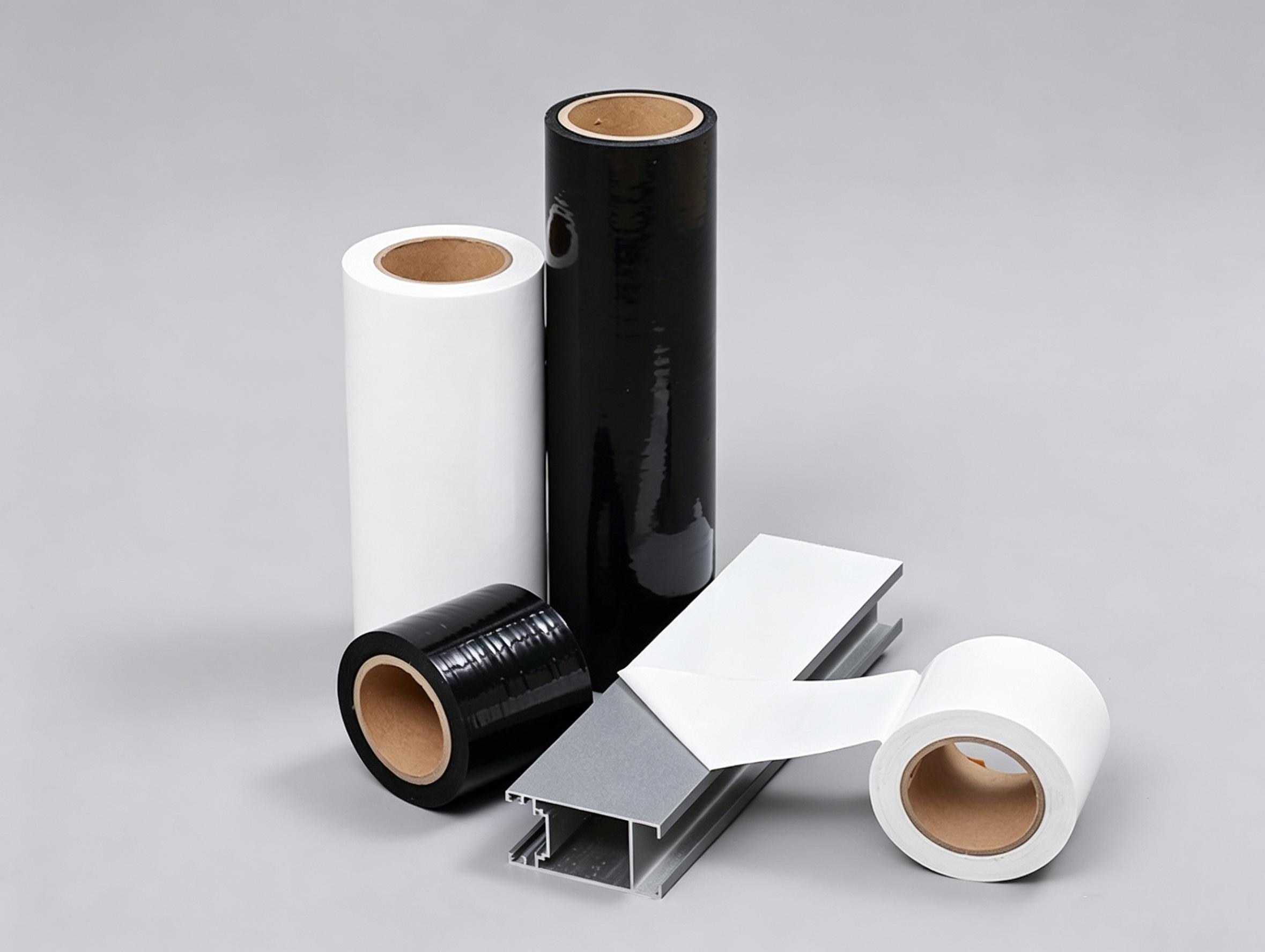
When engineers talk about coatings, the first number that gets thrown around is almost always thickness. It’s easy to measure, easy to specify, and easy to feel like you’ve solved the problem by dialing it in. But a caliper reading tells you almost nothing about whether that film will actually protect, adhere, or perform under stress. The real story lives in how the material was deposited, how the layers interact, and what happens at the interface.
Two parts can carry the exact same coating thickness and behave completely differently in the field. One might crack after a few thermal cycles while the other stays intact, simply because of residual stress or porosity that no micrometer will ever catch. Uniformity, density, and surface energy often matter more than the raw number. If you only chase thickness, you're optimizing a single variable while ignoring the system.
Next time a spec sheet lands on your desk with a bolded thickness range, ask what else wasn't printed. Ask about deposition method, cure profile, and adhesion testing. That’s where the durable performance is actually decided. Thickness might get you in the door, but it won't keep the film from failing when conditions get real.
The Adhesive Layer: Where Durability Is Won or Lost
Most people never think about the adhesive layer—until a floor starts lifting at the edges or a laminate surface begins to bubble. Yet this thin, often invisible bond determines whether a material survives years of foot traffic, temperature swings, and moisture exposure. A weak adhesive will quietly fail from the inside out, leaving the top layer looking fine right up until it peels away. On the other hand, a well-chosen and properly applied adhesive can hold everything together even when the surface itself gets scratched or dented.
The difference often comes down to chemistry and installation conditions, not just brand names. Urethane-based adhesives, for instance, tolerate more movement than rigid epoxies, making them better for wood that expands and contracts with humidity. But even the best formula fails if it is rolled on too thin, allowed to skin over before bonding, or applied to a dusty substrate. Professionals know that the adhesive layer is a three-part system: the substrate preparation, the adhesive itself, and the open time before the finish layer goes down. Cut corners on any one of these and the whole assembly is compromised.
In high-wear environments like stair treads or commercial entryways, the adhesive layer is the first line of defense against peeling, curling, and delamination. Some contractors add a primer or a mechanical abrasion step to give the glue more tooth. Others rely on moisture-cure urethanes that grab faster in humid climates. The real trick is matching the adhesive's flexibility, cure speed, and chemical resistance to the specific materials and expected stress—something that rarely shows up in a datasheet but makes all the difference when the building settles and the seasons change.
Real-World Testing: From Desert Heat to Humid Warehouses
We took prototypes out of the lab and into places where conditions get ugly fast. In the Mojave, daytime surface temperatures climbed past 140°F, and our enclosures sat under direct sun for weeks without a single seal failure or warped panel. Dust storms coated everything in fine grit, yet internal components stayed clean and cool enough to keep running at full load.
Then we shifted to the opposite extreme: a busy distribution center in southern Louisiana where humidity rarely drops below 80% and condensation forms on every cold surface. Forklift traffic, constant door openings, and forklift washdowns meant our hardware had to shrug off moisture, mild caustic cleaners, and occasional bumps. After four months of round-the-clock operation, the only maintenance required was wiping off the outside.
The point wasn't just survival. We measured how thermal cycling, high dew points, and airborne particulates affected long-term drift in sensors and connector resistance. The data from these field runs fed directly back into our sealing and coating choices, so the next revision started with lessons learned from real dust, real heat, and real warehouse grime.
Ask Not Just How Long, But Under What Conditions
When someone tells you a product lasts ten years, the first question that should follow is rarely "are you sure?" It's "under what conditions?" A battery that survives a decade in a mild climate can fail in two summers if left in a hot car. A roof rated for thirty years might need replacing after fifteen if the house sits under heavy tree cover. The number alone offers comfort, but the conditions quietly write the real story.
This habit of asking about conditions changes how you evaluate almost anything. A medication's effectiveness depends on whether it's taken with food, at the same time each day, or alongside other prescriptions. A job's longevity means little if the workplace culture burns people out in three years. Even a friendship's duration says less than whether it holds up during major life changes, distance, or disagreements.
The next time you hear a statistic about how long something lasts, pause before accepting it. Ask what assumptions are baked in. Ask what stressors were excluded. The more specific the conditions, the more useful the answer becomes—and the less likely you are to be surprised later.
What a Small Trial Order Can Reveal About a Manufacturer
Forget the glossy audit reports for a minute. A small trial order will show you exactly how a manufacturer behaves under real conditions. Watch how they handle the pre-production questions: do they confirm tolerances in writing, flag material substitutions, or ask for clarification on ambiguous drawings? Those early exchanges tell you more about their engineering mindset than any certificate. If they stay quiet and simply ship something that looks close enough, that silence will repeat itself at full volume.
Then check the physical details nobody bothers to photograph for a website. The consistency of deburring across fifty units, the evenness of a powder coat in corners, the way cables are dressed and labeled inside an enclosure—those are signs of internal standards. Packaging matters too. If a tiny order arrives with thoughtful protection and clear labels, the factory probably has systems that scale. If it shows up in a scuffed box with loose parts rattling around, treat that as a preview of every future shipment.
FAQ
Look for transparency in their material sourcing and testing data. A reliable supplier will openly share details about adhesive formulations, UV resistance, and abrasion test results. Ask for samples and compare how well the film retains clarity and adhesion after exposure to heat, humidity, or chemicals. Manufacturers that avoid discussing these specifics often cut corners on raw materials.
Edge lifting and adhesive residue are the two biggest complaints. Edge lifting usually comes from insufficient tack or poor film conformability on textured surfaces. Residue, on the other hand, often means the adhesive breaks down under temperature swings. Request accelerated aging data and conduct your own peel tests on the actual substrates you use. That will expose weaknesses that a basic spec sheet won't reveal.
Not necessarily. Thickness helps with puncture and tear resistance, but the adhesive layer and film chemistry matter more for long-term protection. A 2 mil film with a high-quality acrylic adhesive can outperform a 4 mil film with a cheap rubber-based adhesive. Focus on the combination of base film, adhesive type, and release liner rather than thickness alone.
A dependable manufacturer will stand behind their product with clear performance guarantees and technical support. They should help you match the right film to your application, provide storage and handling guidance, and offer replacement or credit if a batch fails under normal conditions. If they only offer vague promises without written terms, treat that as a warning sign.
In most cases, no. Outdoor protection demands UV inhibitors and weather-resistant adhesives that indoor films often lack. A film that works well on a clean indoor surface may yellow or lose adhesion within weeks under sun and rain. Always confirm the manufacturer's intended use range and ask for outdoor exposure test data if your product will face the elements.
More important than many buyers realize. A poorly chosen liner can tear during automated application, leave silicone transfer on the adhesive, or cause static buildup. A quality manufacturer pairs the adhesive with a liner that releases consistently at various speeds and temperatures. Test the liner's unwind force and stability, especially if you run high-speed converting equipment.
Ask about their raw material sources, batch-to-batch consistency, and how they handle quality control for incoming film and adhesive. Request a certificate of analysis for the exact product you're considering, and find out how they store and ship rolls to avoid temperature damage. Finally, ask for references from customers with applications similar to yours.
Residue is usually caused by adhesive degradation, excessive dwell time, or exposure to heat and UV. It can also happen when the film is applied to a surface with low surface energy or contamination. To prevent it, choose a film with a stable adhesive system rated for your expected removal window and environmental conditions. Test on your actual surface before committing.
Conclusion
A thin bid rarely reflects the true lifetime cost of protective film. One manufacturer might offer an attractive per-square-meter price, but if the film yellows within months of rooftop exposure or leaves adhesive residue on freshly coated aluminum, that "saving" evaporates quickly. Durability starts with matching the film to the actual environment: a 50-micron film in a dry indoor warehouse behaves very differently from the same film in a coastal, high-UV yard. And while thickness is often the first number buyers ask about, it is only part of the story. A 60-micron film with a poorly formulated adhesive can fail faster than a 40-micron film with a pressure-sensitive layer designed for clean removal after six months of desert heat. The real difference shows up in field testing: the best manufacturers run side-by-side trials on powder-coated steel, glass, and textured plastics, then log how the film performs under thermal cycling, humidity, and direct sun rather than relying solely on lab pull tests.
Ask a supplier not just "how long will it last" but "how long under which conditions?" A film rated for 12 months in temperate storage may break down in 6 weeks inside a hot shipping container. Small trial orders are the most honest window into a manufacturer's consistency. Request samples with edge trimming, check for curl or uneven adhesion, and peel them after accelerated aging. If a maker is reluctant to share test data, cannot explain why their adhesive chemistry differs between low- and high-energy surfaces, or sends a sample that varies from the production batch, that is a warning sign. Ultimately, the best self adhesive protective film manufacturer is not the one with the lowest quote but the one who treats your substrate, your climate, and your removal window as variables to be engineered, not guessed at.
Contact Us
Contact Person: Jack Xu
Email: [email protected]
Tel/WhatsApp: 8615257328825
Website: https://www.temporaryprotectivefilm.com/