

Bulk Thermal Printable Wristbands: The Ultimate Guide for Events and Identification
2026-06-15
When it comes to managing crowds at festivals, conferences, or amusement parks, the right identification system makes all the difference. Bulk thermal printable wristbands have become the go-to for fast, secure, and customizable access control. With BAOBI, you get wristsbands that print clearly, last through hours of wear, and simplify check-in—all without breaking the budget. In this guide, we’ll explore why they’re a game changer for your next event.
Why Thermal Wristbands Are a Game-Changer for Events
When you're running an event, every little detail matters, and thermal wristbands have quietly become one of the smartest upgrades you can make. Unlike traditional paper bands that smudge, tear, or fall apart after a few hours, thermal ones stay crisp and legible no matter what. The printing process fuses the design directly into the material, so it won't rub off on skin or clothing. This means less hassle for staff and a cleaner look that holds up whether guests are dancing, swimming, or just sweating under the sun.
Security is another area where these bands shine. Custom-printed sequential codes, logos, and personalized details are baked right in, making duplication nearly impossible without specialized equipment. You can quickly spot fakes at entry points, control access to different zones, and keep cashless payments reliable. It's a simple switch that cuts down on fraud and long lines while giving your event a more organized, professional feel.
Beyond function, thermal wristbands let you play with design in ways that older methods can't touch. Vivid colors, intricate artwork, and even last-minute changes are no problem because there's no drying time or messy setup. You can match them to a theme, add sponsor logos that actually look sharp, or create keepsake-level pieces that attendees want to wear long after the lights go down. They turn a basic necessity into a subtle branding win and a better experience for everyone involved.
Customizing Wristbands That Stand Out in a Crowd
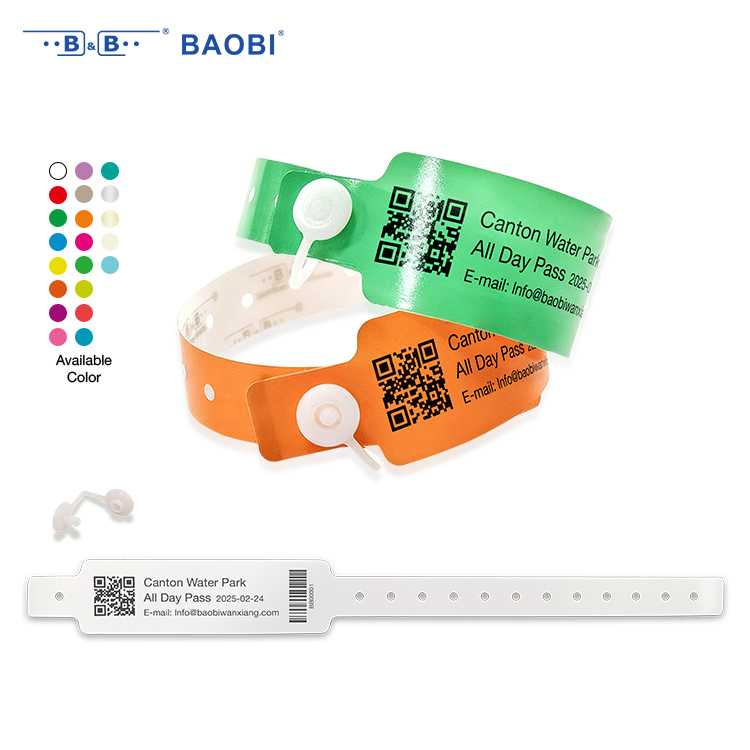
Crafting wristbands that truly pop isn’t just about picking a color and slapping on a logo. It’s about weaving a story into every thread. Think of your band as a tiny canvas, where the choice of material—soft woven fabric or glossy silicone—sets the stage. Embroidery or debossing? That decision alone shifts the vibe from classic elegance to bold modernity. Even the clasp type can whisper subtlety or shout convenience. When you start mixing textures and finishes, you’re no longer making an accessory; you’re creating a keepsake.
Don’t let the design process end with the surface. Small tweaks can transform a forgettable band into a conversation starter. Consider layering in unexpected elements: a glow-in-the-dark accent for nighttime events, a matte finish that resists fingerprints, or a twin-layer color combination that reveals itself when stretched. The key is to think beyond the wrist—how does this band feel during a handshake? Does it catch the light during a speech? These nuances ensure your wristband doesn’t just blend in; it lingers in memory.
Finally, let your audience guide the customization. A band for a music festival might demand vibrant gradients and cryptic symbols that spark intrigue, while a corporate retreat keeps it crisp with minimalist geometry and a hidden motivational quote. Involve the wearer in the narrative—maybe the inner side carries a private message, or the band’s edges are curved to match a logo’s contours. When every angle reflects intention, you’ve created something that feels less like merchandise and more like a badge of belonging.
The Hidden Costs of Cheap Wristband Solutions
Opting for budget-friendly wristband solutions might seem like a smart financial move at first glance, but the real expenses often surface when you least expect them. Materials that feel decent on day one can quickly fade, crack, or irritate the skin after minimal use, leading to a wave of negative attendee feedback and a tarnished brand image. Instead of spending more on replacements or damage control, event planners find themselves wishing they had invested just a little more upfront.
Beyond the physical degradation, there’s the operational nightmare of dealing with unreliable RFID chips or print that smudges into illegibility halfway through an event. Staff get bogged down with manual overrides, entry lines stall, and the seamless experience you promised your attendees crumbles. These hiccups aren’t just inconvenient—they consume hours of labor and erode trust, something no amount of post-event apologies can fully repair.
And then there’s the sustainability side of the story, which savvy guests are paying closer attention to. Cheap wristbands often end up in landfills after a single use, reflecting poorly on your organization’s values. In an era where eco-consciousness can make or break reputations, sticking with materials that aren’t recyclable or biodegradable could cost you more than money—it could cost you future partnerships and attendance.
How to Pick the Right Material for Long-Lasting Comfort
Comfort that lasts starts with understanding how materials behave over time. Fabrics like high-quality cotton or linen may feel soft initially, but they can lose shape and pill after repeated washing. Instead, consider blends that balance natural breathability with synthetic resilience—think cotton mixed with a small percentage of polyester or elastane, which helps the garment retain its structure without sacrificing that cozy feel.
Don't overlook the role of texture and weight. Heavier knits and tightly woven fabrics generally hold up better to daily wear, resisting sagging and thinning. For items like loungwear or bedding, brushed microfiber or modal can offer a silky touch that stays smooth wash after wash. Pay attention to how a material responds to moisture and friction; the right pick will keep you comfortable without constant pilling or fading.
Finally, think about care requirements and daily use. A material that demands dry cleaning or delicate handling might not be practical for everyday comfort. Look for easy-care options that maintain their softness and color through machine washing. When you invest in things you'll wear or touch often, choosing a fabric that matches your lifestyle is just as important as how it feels in the store.
Seamless Check-Ins with On-Demand Printing
Walking into a hotel lobby after a long journey, the last thing anyone wants is to wait. On-demand printing transforms the arrival experience by instantly generating personalized key cards, welcome materials, or even last-minute itinerary changes right at the front desk. There’s no fumbling with pre-printed stacks or outdated information; everything is produced in seconds, tailored to the guest standing in front of you. This fluid process makes check-in feel less like a transaction and more like a genuine welcome.
Behind the scenes, the magic lies in the seamless integration between property management systems and compact, high-speed printers. As soon as a reservation is pulled up, the system triggers the exact prints needed—nothing more, nothing less. It removes the clutter of generic brochures and minimizes waste, because only what’s relevant to that specific stay gets printed. The result is a cleaner counter, a faster handshake, and a guest who appreciates that you’ve already anticipated their needs before they’ve even unzipped their luggage.
For properties juggling unexpected early arrivals or last-minute booking modifications, on-demand flexibility becomes a quiet superpower. A room upgrade? Print the new key sleeve with updated Wi-Fi codes instantly. A family suite? Print an extra set of kids’ activity guides without breaking the flow. This approach doesn’t just speed things up—it adds a layer of thoughtfulness that turns a mundane check-in into a moment of effortless hospitality.
Creative Ways to Use Wristbands Beyond Entry Control
Wristbands have quietly evolved into versatile tools for fostering connection and enhancing experiences. At a fundraising gala, attach a small, scented sachet to each band that corresponds to a table theme—lavender for “Garden Soirée” or vanilla for “Vintage Elegance.” Guests follow their noses to find seats, breaking the ice with an unexpected sensory cue. It’s a subtle touch that turns a simple identifier into a memorable, shared moment.
Events thrive on interaction, and wristbands can spark conversations in playful ways. Imagine a conference where every attendee’s band features a tiny QR code that links to a personal trivia fact instead of a business profile. Scanning a stranger’s wrist reveals a fun tidbit—like “I’ve hiked 14 volcanoes”—giving everyone an instant, lighthearted talking point. Suddenly, networking feels less like a chore and more like a scavenger hunt of stories.
Beyond social settings, wristbands can serve as durable, wearable reminders for personal challenges. In a wellness retreat, swap paper schedules for silicone bands engraved with daily affirmations or gentle prompts like “Breathe: 10 AM Lake Stroll.” They’re lightweight, waterproof, and impossible to misplace—turning a practical accessory into a quiet coach that sits right on the pulse, nudging wearers to stay present without ever saying a word.
FAQ
These wristbands are designed to run through thermal printers, letting you add custom details like names, barcodes, or QR codes on the spot without any ink or toner. Ordering them in larger quantities simply brings down the cost per wristband for bigger events.
Thermal wristbands give you the flexibility to print variable data in real time, which is a huge advantage during check-in. They’re usually made from a soft, durable material that’s more comfortable for long wear, and many are water-resistant—so they hold up through showers or pool parties.
Direct thermal technology typically prints in black on the chosen wristband color, so full-color logos need a pre-printed background. However, you can still create striking designs by pairing a colored band with bold black text, logos, or scannable codes.
For single-day events, a lightweight synthetic material with a simple adhesive tab is often enough. Multi-day festivals demand something tougher—look for tear-resistant, waterproof materials with a sturdy locking snap or tamper-evident adhesive to survive the weekend intact.
Tamper-evident cuts, void patterns that appear if someone tries to peel off the band, and sequential numbering are standard options. For extra assurance, some organizers use barcodes matched to ID checks, making a swapped wristband obvious at access points.
Most standard direct thermal label printers that accept roll or fan-fold media will do the job, as long as the wristband width fits the printer specifications. Popular models from Zebra or Brother are frequently used, but always confirm media compatibility settings and maximum print width beforehand.
Yes, several manufacturers now offer bands made from FSC-certified paper, biodegradable materials, or recycled content. Since thermal printing cuts out cartridges and ribbons, it already reduces consumable waste compared to traditional printing methods.
Giving yourself at least three weeks is wise, especially if you want custom pre-printing or specific sizes. Blank stock orders ship faster, but a buffer helps handle any delivery delays and leaves room for a test print run to make sure everything aligns perfectly.
Conclusion
Thermal printable wristbands have quietly reshaped how we manage access and identity at live gatherings. Their biggest draw isn't just speed—it's the ability to print crisp, scannable details on demand, which means no more pre-printed stock that sits around gathering dust or becomes obsolete when plans shift. For event organizers, this translates to shorter entry lines and a far smoother first impression. Yet the real advantage goes deeper: by opting for quality bulk thermal supplies, you sidestep the common trap of flimsy, cheap bands that fade or snap halfway through a festival. Instead, you get durable, moisture-resistant materials that feel comfortable all day, even on kids or in sweaty dance tents. The thermal coating holds up against water, sunscreen, and friction, so the print stays legible long after the gates close.
Customization is where these wristbands truly shine. Beyond basic logos, you can embed variable data like session picks, cashless payment tokens, or even emergency contact info directly into each band. That opens up uses well past simple entry: think crowd flow analytics, VIP area tracking, or linking a wristband to a parent’s phone for child safety at family events. The upfront investment pays off because you're not just buying wristbands—you're building an invisible layer of organization that runs through the entire experience. When you choose the right polypropylene or polyester blend and pair it with a reliable thermal printer, the result is a waterproof, tear-proof badge that attendees rarely need to replace. Smart organizers see these bands as more than a ticket; they’re a wearable tool that reduces friction, boosts brand recall, and often costs less in the long run than the hidden fees of lost time and reprints that come with bargain alternatives. Ultimately, the guide’s core message is simple: good wristbands don't just identify people—they quietly improve how everyone moves through the day.
Contact Us
Contact Person: Bill Xu
Email: [email protected]
Tel/WhatsApp: 8618688898707
Website: https://www.baobitech.com/