

China Agricultural Machinery Parts Sourcing Guide for Global Buyers
2026-10-22
Finding dependable agricultural machinery parts from China doesn’t have to be a gamble. This sourcing guide cuts through the noise, showing you where quality meets value—and why suppliers like Zhaoyuqi are worth your attention before you place your next order.
Why the Cheapest Quote Rarely Survives a Full Season
The lowest number on a bid sheet promises instant relief, but that relief usually curls at the edges before the leaves turn. What looks like a smart short-term win quietly converts into a list of callbacks, patch jobs, and frustrated conversations. The price that felt like a bargain in spring has a way of turning into the most expensive decision by autumn.
Cheap work rarely means the same materials, the same preparation, or the same patience. It often means shorter curing times, thinner coats, generic replacements, and crews pushed to finish faster than the job actually allows. Those compromises don't announce themselves upfront. They show up later as peeling, warping, fading, or a system that simply stops doing what it was supposed to do.
A full season exposes every shortcut. Weather, daily use, and time are unforgiving inspectors. When the first repair call comes in, the original savings start to shrink. By the third or fourth fix, you're not just paying again; you're paying with your time, your schedule, and your trust. The real question was never what the quote cost on day one, but what it would still be worth six months later.
Reading Between the Lines of a Factory Tour
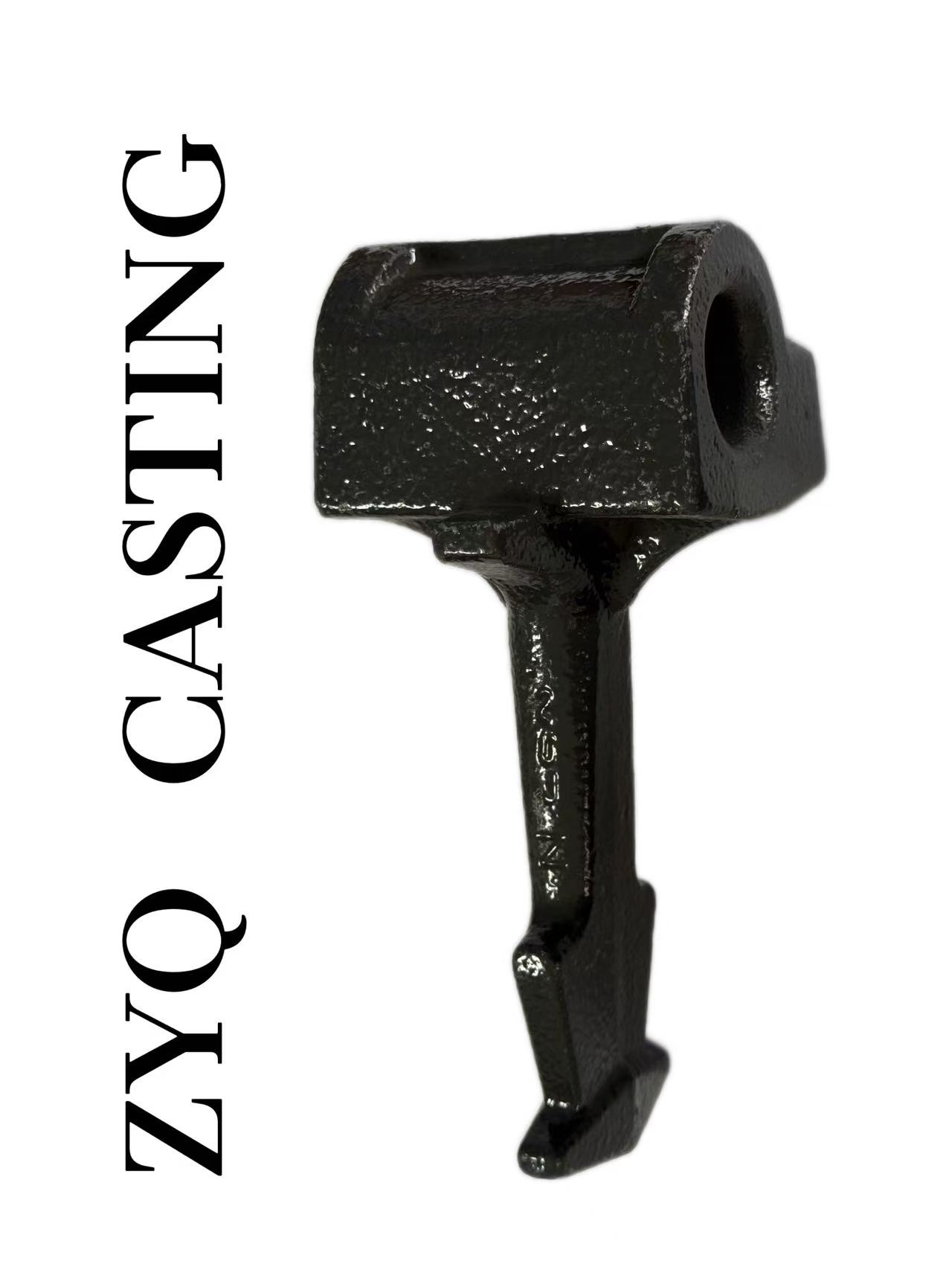
On the surface, a factory tour offers a polished sequence of stations, each one timed to showcase efficiency and control. But if you slow down and ignore the rehearsed commentary, other details surface. The worn edges of a workstation, the faint smell of machine oil near a supposedly automated line, or the way a guide avoids a particular corner can tell you more about daily operations than any brochure. These small inconsistencies are not flaws; they are the unscripted texture of how things actually get made.
Pacing matters just as much as observation. Most tours move at a speed designed to keep visitors engaged but not questioning. Linger a few extra seconds at a bottleneck, and you might see workers improvising around a bottleneck the official narrative never mentions. Watch where the managers stand and where they look. The distance between the tour path and the real workflow often reveals how much effort goes into maintaining the illusion of seamless production.
The most useful reading comes from comparing what is emphasised with what is left out. A company proud of its safety record will point to charts and certificates. But if you notice dust on a fire extinguisher or a loose cable near a high-traffic area, you have found a gap between stated values and daily practice. No factory is perfect, and the point is not to catch anyone failing. It is to separate the story a factory wants to tell from the story its floor is already telling.
The Shipping Term That Quietly Adds 15 Percent
Every freight invoice carries a line that most shippers skim past without a second thought. It goes by a bland acronym—BAF, or Bunker Adjustment Factor—and it started decades ago as a temporary way for carriers to claw back fuel-cost spikes. Today, that “temporary” surcharge has become a permanent fixture, and its silent creep often catches importers off guard. A 15 percent jump can appear between two quarterly renewals, hidden in the fine print of a rate sheet that nobody reads line by line.
Unlike a General Rate Increase, which gets announced and negotiated in public, BAF moves with oil indexes and carrier discretion. Your contract might tie the surcharge to a floating formula, so when the formula shifts, the cost shifts with it—quietly. Many small and mid-sized businesses assume the percentage is non-negotiable, a fixed pass-through they have to swallow. But that assumption is exactly why carriers can add 15 percent without a single phone call. The real damage shows up on a year-end spreadsheet, where a container from Ningbo to Long Beach costs hundreds more than it did in January, with no obvious reason in sight.
Pay attention to the baseline, not just the headline rate. Carriers sometimes raise BAF while crude prices sit flat, blaming “compliance” or “operational adjustments.” Ask for the calculation behind the surcharge and compare it against public bunker price charts. A single pointed email questioning a 15 percent bump can lead to a revised invoice—or at least a better rate next quarter. The lesson is simple: every line item is fair game, and the ones that move quietly are the ones that cost you the most.
Negotiating Custom Parts Without Burning the Bridge
When you ask a supplier for custom parts, you're not just requesting a one-off favor—you're testing the relationship. The key is to frame the conversation around mutual gain rather than a transactional demand. Start by acknowledging their current workload and expertise, then explain how this custom piece could open doors to a longer production run. Suppliers appreciate buyers who think beyond the immediate order, so show them the bigger picture without making empty promises.
Price is rarely the only sticking point. Custom work disrupts their standard flow, so be ready to negotiate on factors like lead time, minimum order quantity, or even payment terms. If they hesitate on a low-volume custom order, offer to bundle it with a regular stock order or agree to a slightly higher unit cost in exchange for tooling flexibility. That way, you're not squeezing them on margin—you're creating a scenario where both sides walk away with something useful.
Finally, protect the relationship when the custom part doesn't work out perfectly. Instead of blaming them for a spec miss, review the design together and ask what adjustments would make future iterations easier to produce. A supplier who feels heard during a challenging project is far more likely to prioritize your next request, even if the first attempt wasn't a home run.
How Top Buyers Test Samples Before the First Container
When a serious buyer gets a sample, the first move is rarely a casual once-over. They check dimensions against the spec sheet with calipers, weigh the item to catch cheap material swaps, and run basic function tests right on the spot. A friend who imports kitchen gadgets won't approve a single silicone spatula until it survives a 400-degree oven cycle, a dishwasher run, and a bend test without cracking. If the sample can't handle that on day one, there's no point talking about container loads.
Beyond the bench tests, top buyers often send samples to a handful of end users—maybe a chef, a mechanic, or a parent—depending on the product. They want honest feedback, not the supplier's polished demo video. One furniture buyer I know has a habit of leaving sample chairs in his own warehouse for two weeks and inviting staff to sit, lean, and drag them across concrete. The scratches and wobbles tell him more than any lab report.
Once a single sample passes, the real filter is consistency. Sharp buyers will ask for three or five samples from different production runs, sometimes weeks apart, then compare them side by side. They look for shade variations in fabric, slight changes in plastic density, or hardware that doesn't match the original. Only when every sample lines up—same weight, same finish, same performance—will they sign off on the first container. That's the difference between a buyer who gets burned and one who builds a supply chain that lasts.
When a Supplier’s Delay Is Actually a Red Flag
A late shipment is usually just friction—weather, port congestion, a missed email. But when a supplier stops volunteering details or pushes the delivery date in small, repeated increments, the delay stops being logistical and starts looking strategic. The first thing to notice is not the new date, but the explanation that keeps changing shape: one week it's a component shortage, the next it's a customs hold, and the week after that it's "internal restructuring." Honest delays have a fixed cause; strategic delays have a narrative that shifts every time you ask.
Pay attention to how the supplier treats your urgency. A partner who is genuinely behind will offer a recovery plan, name the bottleneck, and propose alternatives—even partial shipments. A red flag supplier, by contrast, will ask for more time without acknowledging the cost to your business, or will suddenly become difficult to reach right after you request written confirmation. That silence is often not disorganization; it's room to reallocate inventory to a larger or more profitable buyer while you wait.
The most reliable warning sign is a mismatch between what the supplier says and what the paperwork shows. If the delay is blamed on a raw material shortage, but the purchase order for that material was only issued after your production date had already slipped, the timeline doesn't add up. In those cases, the "delay" is often a cover for an unapproved substitution, a quality failure caught internally, or a line that was never actually reserved for your order. When the story and the dates contradict each other, treat the delay as a breach of trust, not just a scheduling problem.
FAQ
The sheer density of specialized clusters helps. Places like Hebei for tillage tools, Shandong for gearboxes and PTO shafts, and Zhejiang for chains and bearings have built decades of metallurgy know-how. You can often source a complete range of parts within one industrial zone, which cuts middleman costs and allows quick sample changes. But don't assume every factory is strong—visit or do a live video tour to see their actual heat treatment line and raw material stock.
Ask for the factory business license and check the registered scope—manufacturing vs. trading is clearly stated. Request export records to your region, such as bills of lading with their name as shipper. A genuine factory usually has no problem sharing a short video of the production floor with current date. If they hesitate, that's a red flag. Start with a small trial order and a third-party inspection before bulk payment.
ISO 9001 is a basic management certificate, not a guarantee of part strength. For parts like PTO shafts, ask for CE or specific torque test reports. For blades and wear parts, demand a hardness test (HRC) and material certificate like 65Mn or boron steel. Many suppliers will show a certificate from one year—ask for the latest batch's test data instead. A small sample order tested by your own lab is worth more than any wall of certificates.
Standard parts like bolts, common bearings, or universal joints often ship within 7–15 days after payment. But if you need specific hole patterns, heat treatment specs, or branded packaging, expect 25–45 days production plus 15–30 days sea freight to most ports. During peak seasons like spring planting prep, factories get overloaded, so add two extra weeks. Always confirm the shipping date in writing on the proforma invoice, not just in chat.
Never start the conversation with 'what's your best price?' Instead, specify the exact material grade, thickness, coating (e.g., zinc plating thickness in microns), and required heat treatment. Then compare offers on those specs. You can ask for a discount by committing to a larger annual volume with scheduled releases, or by paying a higher deposit. If a supplier suddenly drops 20% without changing specs, suspect a substitution—request a pre-shipment sample from the actual production batch.
Besides FOB price, you've got inland trucking from factory to port (often $50–200 depending on distance), port handling and documentation fees, ocean freight that fluctuates wildly, import duty based on HS code, and local customs clearance. If parts ship on wooden pallets, ISPM 15 fumigation may add cost. Also budget for a pre-shipment inspection by a third party like SGS or Bureau Veritas—usually $200–400 per day. Many buyers skip it and regret later.
First, do not sign the delivery receipt without noting damage. Take clear photos and videos, and keep all packaging. Within the agreed time (usually 7–14 days), send a detailed claim with evidence to the supplier. A well-written purchase contract should include a quality tolerance (e.g., 1–2% defect rate) and compensation terms, such as replacement parts in next order or refund. If the supplier refuses, you can use your inspection report from a third party as leverage. For serious fraud, consider a trade lawyer or your local chamber of commerce.
Work with suppliers that hold buffer stock in a bonded warehouse or agree to ship partial containers so you don't fill your own warehouse with slow movers. Use your sales history to identify the top 20% of parts that cause 80% of breakdowns, and keep those on hand. For bulky low-demand items, arrange a quarterly consolidated shipment with other buyers or use a freight forwarder's consolidation service. A good supplier will also alert you to upcoming raw material price jumps so you can lock in orders before costs rise.
Conclusion
Sourcing agricultural machinery parts from China rewards buyers who look past surface-level pricing and factory showmanship. The cheapest quote often signals thinner materials, looser tolerances, or skipped heat treatment—problems that surface mid-harvest when downtime costs far more than the initial savings. During factory tours, sharp buyers note whether tooling is actually running, how quality control staff sample batches, and whether management answers technical questions directly instead of deflecting. Shipping terms deserve equal scrutiny: FOB might look cheaper, but once port charges, customs brokerage, and inland freight are added, the real landed cost can creep up by 15 percent or more.
For custom parts, experienced buyers treat negotiation as a collaborative specification review rather than a price war—confirming exact steel grades, surface finishes, and packing standards upfront prevents costly disputes later. Smart sourcing also means testing samples beyond dimensional checks: install them on actual equipment, run them under load for days, and inspect wear patterns before committing to a full container. Finally, supplier delays are rarely isolated; repeated postponements often point to cash-flow trouble, subcontracting chaos, or overbooking. Top buyers treat scheduling slippage as an early warning to audit the supplier's raw material inventory and production backlog—not just to reschedule, but to protect the entire farming season.
Contact Us
Contact Person: Nico Yin
Email: [email protected]
Tel/WhatsApp: 8618561567088
Website: https://www.ductileironparts.com/