

Conveying System Factory Insights: Streamlining Production with Advanced Automation
2026-05-08
In the heart of every modern factory, conveying systems silently orchestrate the flow of materials, yet their true potential often remains untapped. As production demands soar, advanced automation is rewriting the rules—transforming rigid assembly lines into intelligent, adaptive networks. At the forefront of this shift, Fanchang Machinery brings deep insights from the factory floor, showing how streamlined conveying solutions can eliminate bottlenecks, boost throughput, and offer a competitive edge you might be overlooking.
Rethinking Factory Logistics: The Rise of Smart Conveyors
Factory floors once relied on rigid conveyor lines that moved materials along fixed paths, demanding constant human oversight. This approach often created bottlenecks and struggled to adapt when production needs shifted unexpectedly. Today, the emergence of smart conveyors is reshaping that landscape, embedding intelligence directly into the flow of goods. These systems use onboard sensors and distributed control to make real-time decisions, rerouting items, adjusting speeds, and even identifying defects without centralized commands. The result is a logistics backbone that breathes with the rhythm of the factory, rather than forcing operations into a predetermined cadence.
What sets these conveyors apart is their ability to learn and communicate. Instead of isolated segments, they form a networked mesh where each module shares data about load, wear, and throughput. Maintenance teams no longer rely on scheduled downtime; they receive precise alerts when a bearing shows early signs of fatigue or a motor draws unusual current. This predictive awareness slashes unplanned stoppages and extends equipment life. Beyond upkeep, the conveyors interact natively with autonomous mobile robots and picking arms, creating a synchronized ecosystem. A pallet delayed at a packaging station, for instance, can trigger an upstream conveyor to hold items momentarily, preventing pile-ups and smoothing the entire production pulse.
The shift goes beyond efficiency gains—it redefines how factories handle variability. In sectors like e-commerce or custom manufacturing, demand can swing unpredictably. Smart conveyors absorb that turbulence by dynamically reallocating pathways and buffering inventory only where needed. Plant managers gain a live, granular view of material movement, enabling decisions based on current conditions rather than historical reports. This move from static infrastructure to an agile, software-driven system marks a fundamental change: logistics is no longer a fixed cost to be minimized but a strategic capability that can differentiate a business. The conveyor, once a symbol of mechanical monotony, is now a thread in a responsive digital fabric.
From Manual to Autonomous: A New Era in Material Handling
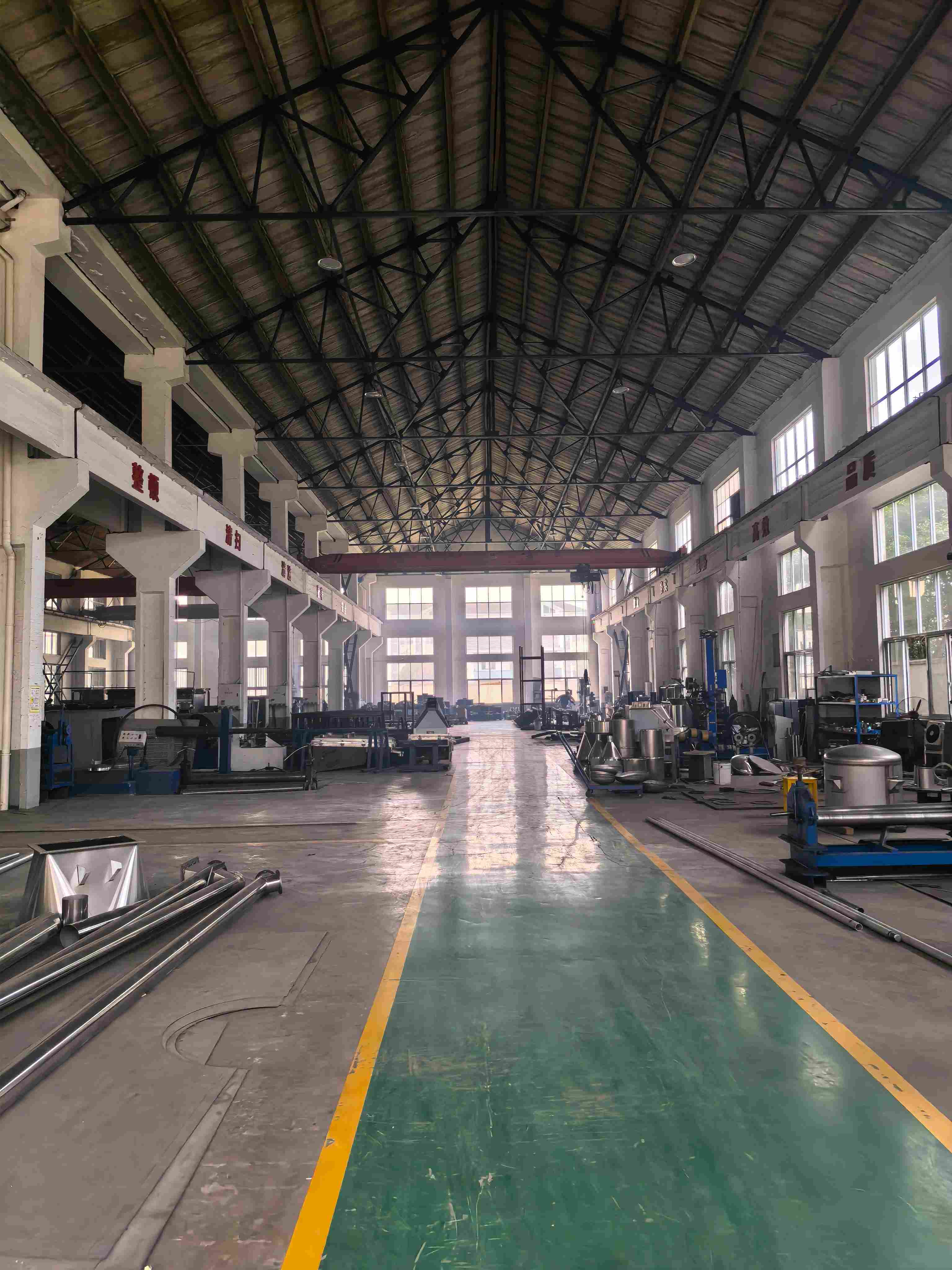
The shift from manual to autonomous material handling isn't just a technological upgrade—it's a fundamental rethinking of how goods move through warehouses, factories, and distribution centers. For decades, the industry relied on forklifts steered by seasoned operators and conveyor belts that demanded constant oversight. Now, fleets of self-navigating robots glide through aisles, making split-second decisions without human intervention. This transformation didn't happen overnight. It grew out of necessity, as supply chains strained under e-commerce surges and labor shortages became a persistent headache. Early adopters discovered that autonomous systems could do more than replace muscle; they could orchestrate entire workflows, adapting in real time to shifting priorities and unexpected bottlenecks.
What truly sets this new era apart is the fusion of physical automation with intelligent software. Sensors, cameras, and lidar create a digital nervous system that feeds data into machine learning algorithms, allowing vehicles to learn the quirks of their environment—the uneven floor near dock door three, the blind corner behind the packing station. Unlike their rigid, programmed predecessors, today's autonomous mobile robots can reroute themselves when a pallet blocks a path or slow down when a worker steps into their zone. This self-awareness isn't just about avoiding collisions; it's about weaving machinery into the human fabric of a facility seamlessly. Managers who once spent hours tweaking schedules now monitor dashboards that highlight anomalies, freeing them to tackle bigger challenges while the robots handle the repetitive heavy lifting.
The ripple effects extend well beyond efficiency metrics. When material handling becomes autonomous, the entire design philosophy of a workspace evolves. Narrow aisles replace wide thoroughfares, racking towers stretch higher, and inventory density skyrockets—all because machines can maneuver in spaces that would stymie a human driver. Energy consumption drops as robots optimize acceleration and braking, and maintenance shifts from reactive tinkering to predictive models that flag wear before a breakdown occurs. Perhaps most tellingly, the workforce transforms alongside the technology: operators become system supervisors, maintenance crews pick up skills in robotics diagnostics, and a culture of continuous improvement takes root. This isn't a story of machines replacing people, but of people and machines recalibrating their roles in a dance that's faster, safer, and surprisingly elegant.
How Real-Time Data Elevates Conveyor Performance
Real-time monitoring turns conveyors from passive transport mechanisms into active, responsive systems. Operators no longer wait for a jam or slowdown to trigger alarms—sensors along the belt stream data continuously, flagging subtle shifts in vibration, speed, or load distribution before they escalate. This immediate feedback loop lets floor managers tweak settings on the fly, reroute product flows during peak demand, or address minor misalignments without halting the entire line.
Predictive insights cut the guesswork out of maintenance schedules. Instead of replacing components on a calendar basis, teams can follow actual wear patterns pulled from live torque and thermal readings. A slight uptick in motor heat, for example, triggers a targeted lubrication cycle, preventing bearing failure that might have gone unnoticed until failure. The result is not just fewer unexpected breakdowns, but leaner spare parts budgets and maintenance crews that solve problems before they disrupt output.
Throughput gets a measurable lift when data guides ongoing adjustments. Algorithms digest the stream of belt speed and product weight metrics, fine-tuning motor drives to maintain optimal pitch without human intervention. Energy use dips during lighter loads, then ramps precisely when dense batches arrive—cutting waste and extending equipment life. Over time, this constant calibration produces steadier material flow and sharper resource consumption, all without adding extra hardware or complex upgrades.
Tailored Solutions: When Off-the-Shelf Isn't Enough
Standard software can feel like a square peg in a round hole—it almost fits, but those little gaps cause friction. You might find yourself altering your workflows just to accommodate the tool, losing efficiency in the process. Tailored solutions step in where generic products fail, aligning precisely with your existing operations instead of forcing uncomfortable compromises.
Beyond simple alignment, custom development lets you address edge cases that mass-market software dismisses. Whether it's integrating legacy systems, automating niche tasks, or crafting a user experience that mirrors your team's mental model, a bespoke approach turns technology into an extension of your business rather than a constraint. The result is software that feels intuitive from day one, not after months of workarounds.
The real value lies in ownership and evolution. Off-the-shelf products chain you to a vendor's roadmap, but a tailor-made solution grows with you. As your needs shift, you're free to adapt the tool instantly, rather than lobbying a product team that may never prioritize your request. This agility transforms IT from a cost center into a genuine strategic advantage.
Energy Efficiency Meets High-Speed Throughput
Balancing power consumption with rapid data processing doesn't have to be a trade-off. Modern architectures are proving that you can push gigabytes per second without turning your workspace into a sauna. It's about smart resource allocation—letting cores sleep when they're idle, ramping up only when real demand hits, and shedding unnecessary overhead at every layer of the stack.
The result is a system that feels almost frictionless: batch jobs complete in the time it takes to grab coffee, yet the power draw stays surprisingly flat. By rethinking how instructions flow from memory to execution units, we sidestep the old habit of brute-forcing performance with raw clock speed. Instead, the design rewards careful tuning—where each watt spent earns its keep in tangible throughput gains.
In practice, this means denser deployments and cooler operating conditions without sacrificing the snappiness users expect. Whether it's databases crunching complex queries or streaming pipelines handling real-time events, the sweet spot lies in letting efficiency and speed amplify each other rather than compete. That quiet shift is reshaping what we can pack into a single rack—and how long it can run before maintenance even becomes a topic.
The Next Leap: AI and Robotics in Conveying Systems
For decades, conveyor belts have been the silent arteries of factories and warehouses, moving goods along fixed paths with predictable rhythm. But the real transformation starts when these systems stop being passive muscle and start acting as intelligent decision-makers. AI and robotics are now interlacing into conveying frameworks, turning rigid lines into dynamic, self-adjusting networks that can reroute packages on the fly, learn from traffic patterns, and even communicate with autonomous mobile robots to orchestrate flow without human intervention.
On the ground, you see robotic picking arms mounted directly over conveyors, using 3D vision to identify mixed items and place them into appropriate chutes at blinding speeds. Meanwhile, machine learning algorithms analyze vibration and motor current data to predict bearing failures days ahead, scheduling maintenance only when needed—not on a calendar. Vision systems inspect products for defects as they zip by, flagging anomalies that human eyes would miss. These aren’t future concepts; they’re already tightening the gap between physical movement and digital oversight.
Perhaps the most compelling leap is the rise of collaborative settings where robots and people share the same lines without cages. AI-driven safety zones slow robots when a technician approaches, then resume full pace once clear. Conveyors themselves become modular, snapping together with plug-and-play sensors that auto-configure through cloud-based digital twins. It’s a shift from brute-force mechanization to a kind of nervous system for material flow, where every segment listens, adapts, and improves over time.
FAQ
Robotic palletizers, automated guided vehicles, and smart sensor networks form the backbone, working together to minimize manual handling and virtually eliminate bottlenecks.
They slash labor expenses by taking over repetitive tasks, cut down on product damage through precise movement, and use energy-efficient motors that lower electricity bills significantly.
Absolutely. Modern systems leverage real-time data and modular designs, so they can speed up, slow down, or reroute flows without requiring physical reconfiguration.
It’s the unsung hero. Analytics predict maintenance needs, track throughput trends, and highlight inefficiencies that humans might miss, enabling continuous fine-tuning.
Many assume it’s all-or-nothing and wildly expensive. In reality, phased integration and scalable solutions let plants start small and expand as they see returns.
By removing people from hazardous zones—like heavy lifting areas or high-speed sortation lines—and using sensors that shut down equipment if someone gets too close.
Better inventory accuracy. Automated systems track every item in real time, virtually eliminating miscounts and misplaced stock that disrupt downstream processes.
The fusion of AI with edge computing will likely allow systems to make autonomous decisions on the fly, optimizing flow without any human input.
Conclusion
Modern factories are rethinking how materials move from one station to the next. Smart conveyors, equipped with sensors and real-time data capabilities, are replacing static lines that once demanded constant manual oversight. This shift toward autonomous material handling not only reduces labor costs but also introduces a level of responsiveness that was unimaginable a decade ago. When standard equipment falls short, tailored conveying solutions step in to address unique production bottlenecks—whether it’s handling fragile goods or fitting into tight floor layouts. The result is a system that adapts to the factory floor rather than forcing operations to bend around it.
But efficiency isn’t just about speed. The latest conveying systems balance high throughput with energy consciousness, using smart motors and regenerative braking to cut power consumption during idle times. Looking ahead, the integration of AI and robotics is pushing boundaries even further: conveyors that predict maintenance needs, reroute items in real time, and work hand-in-hand with autonomous mobile robots. These advances are turning the humble conveyor into the backbone of a truly streamlined, intelligent factory.
Contact Us
Contact Person: Darye WANG
Email: [email protected]
Tel/WhatsApp: 86-13501017897
Website: https://www.fcntd.com/