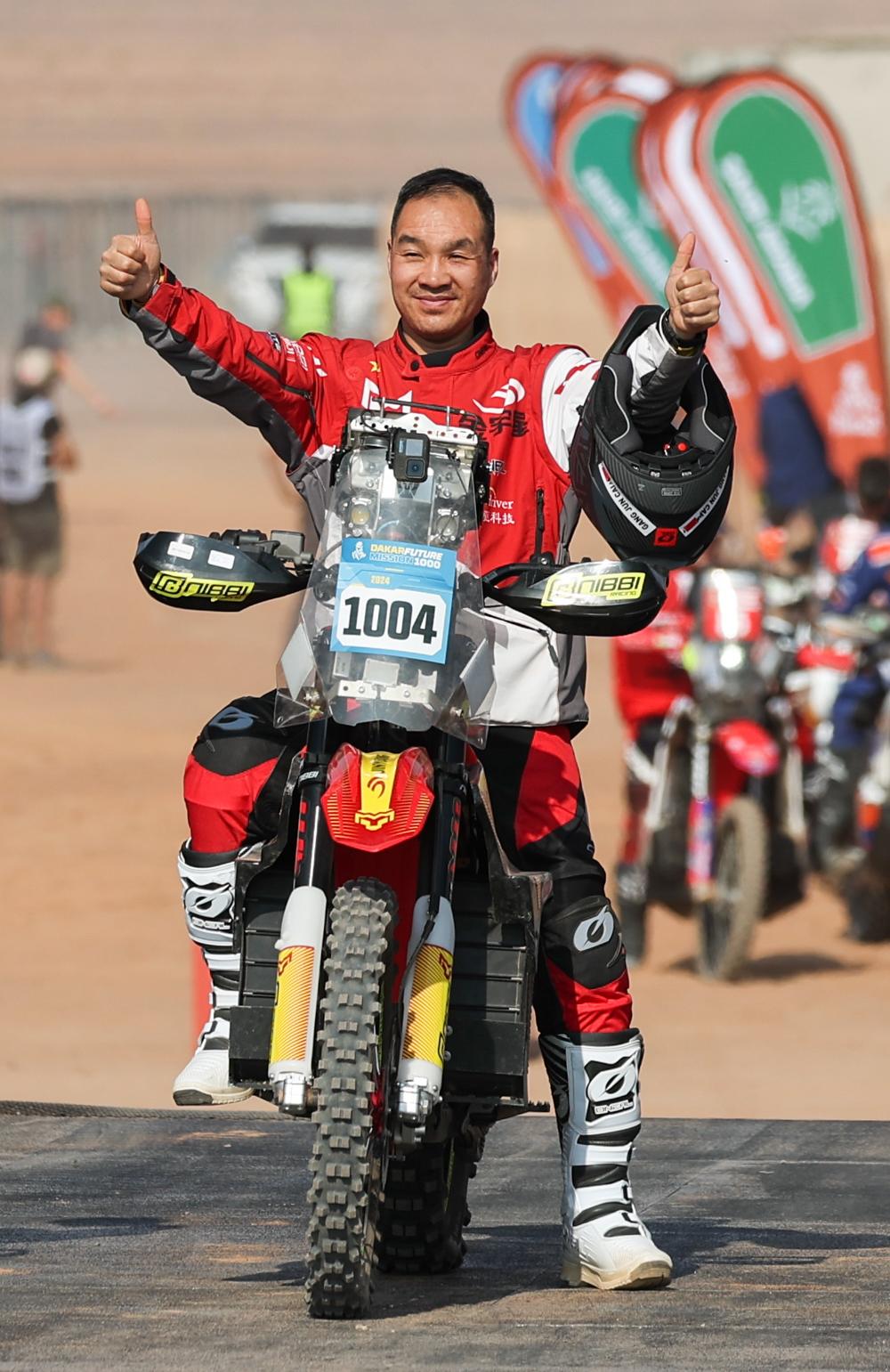

E·XE 880 Enduro Electric Dirt Bike Maker Takes Electric Off-Road Riding to the Next Level
2026-10-18
The E·XE 880 Enduro is more than a new electric dirt bike—it’s the machine Arctic Leopard built to push off-road riding to the next level. With enduro-specific geometry, instant torque, and range that finally makes sense on real trails, this bike doesn’t just follow the electric trend; it rewrites the rulebook.
Instant Power Delivery That Makes Technical Climbs Feel Effortless
The moment the trail tilts upward, the motor responds with a seamless surge that doesn't wait for a downshift or a deep breath. It's not just raw wattage; the power arrives in a controlled, immediate wave that keeps the rear wheel planted on loose rock and root-strewn climbs. You feel the bike push from underneath, not lurch.
Technical sections usually punish hesitation. With this setup, you can pick a precise line, weight the front end, and let the motor do the heavy lifting without spinning out. The cadence stays natural, the torque comes on early, and the bike tracks exactly where you point it—even over ledges and off-camber slabs that would normally sap momentum.
It's the kind of delivery that lets you relax your grip and actually think about the climb instead of just surviving it. No frantic pedal mashing, no sudden throttle spikes. Just a steady, almost magnetic pull that flattens technical ascents into something you look forward to.
A Battery Pack Designed for All-Day Singletrack, Not Just Commutes
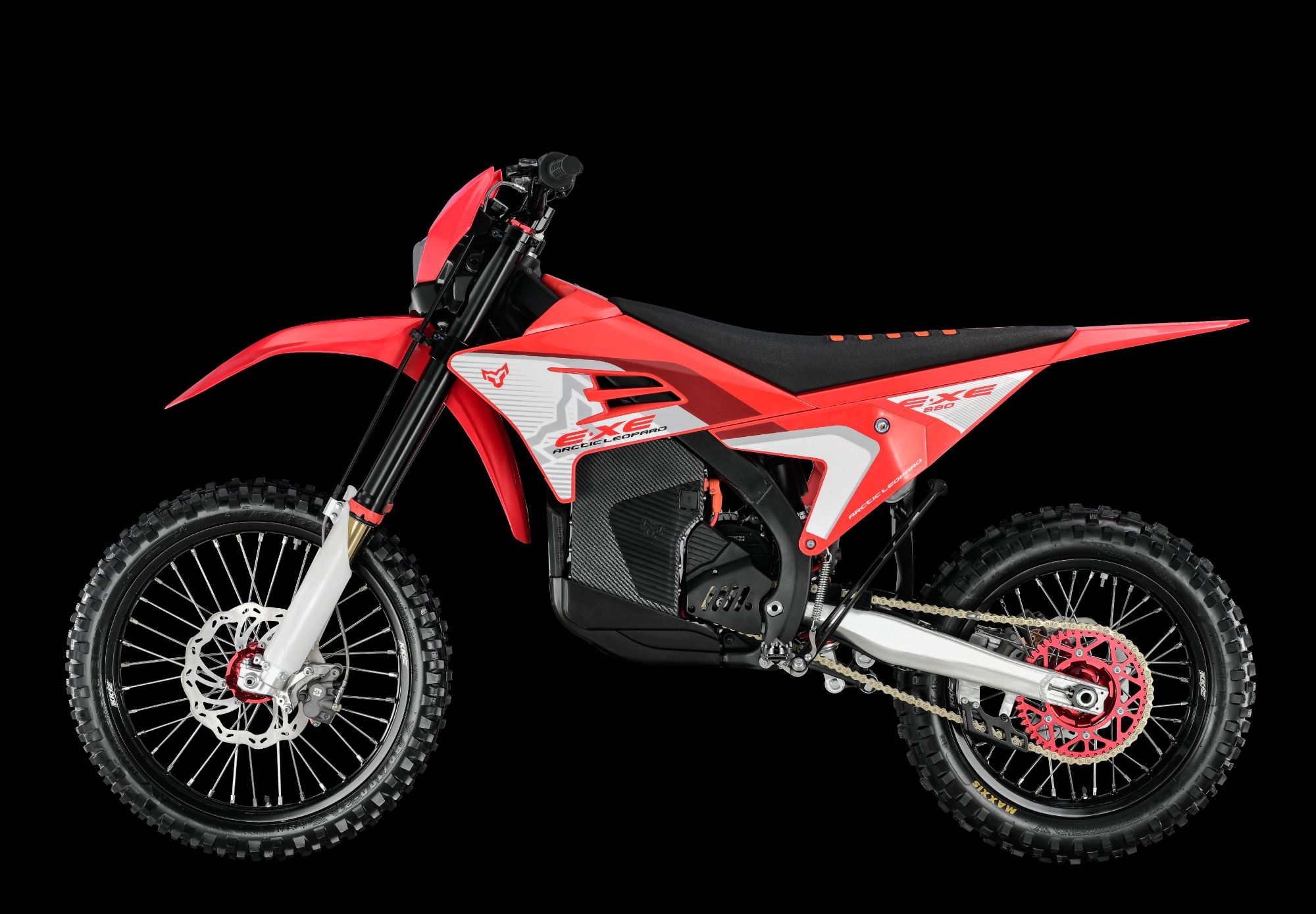
Most e-MTB batteries are borrowed from commuter platforms, tuned for steady cadence on pavement and judged by flat-ground range. Real singletrack is a different animal: punchy climbs, rock gardens that demand repeated torque spikes, and long descents where you need predictable power delivery, not just a number on a display. This pack was built around those demands, not around a marketing spreadsheet.
The cell selection favors high discharge rates and low sag under sustained load, so the last technical climb of the day doesn’t feel like you’re dragging a dead weight. The enclosure is reinforced against trail vibration and rock strikes, with sealed connectors that shrug off dust, mud, and the occasional creek crossing. It’s the difference between a battery that survives a commute and one that holds up to hours of rough, twisting singletrack.
A quick-release mount makes swapping packs on the trail a realistic option, so you can carry a spare without a workbench. But more than capacity, the focus is on usable energy: keeping voltage stable as the pack drains, so you’re not losing assist right when the trail gets steep and loose. That’s what all-day singletrack actually requires.
No Clutch, No Stalling: Electric Throttle Control on Rocky Descents
Twisting the throttle on a loose, rocky downhill used to demand a delicate dance with the clutch lever—too much slip and you fried plates, too little and the engine bucked or stalled. Electric throttle control changes that entirely. The system reads your input, wheel speed, and engine load in milliseconds, metering torque so smoothly that the rear tire stays planted instead of chattering over rocks. You can creep down at walking pace without touching the clutch, letting the ECU hold idle just above stall point while you focus on picking a line through the boulders.
What really stands out is the lack of abruptness. Traditional cable throttles have a mechanical ramp-up that can spike when a bump jars your wrist, causing sudden acceleration or a flame-out. Ride-by-wire smooths those micro-inputs, filtering out jolts so the power delivery remains constant. On a steep, technical descent, that means no more panic grabs at the lever or last-minute dabs—just steady, predictable engine braking and enough forward drive to keep the front wheel from washing out. Riders who once feared rocky downhills now treat them as a place to rest, not wrestle.
The Quiet Advantage: Hearing Your Tires Instead of Your Exhaust
There's a moment after you swap a loud exhaust for a quieter setup when the car suddenly feels more honest. The constant drone fades, and what rises in its place is a texture you forgot existed: the whisper of rubber rolling over asphalt, the faint tick of gravel against the wheel wells, the subtle change in pitch when the road surface goes from smooth to coarse. It's not silence—it's information, delivered straight through the steering wheel and seat cushion.
This kind of feedback matters more than most drivers expect. Push into a corner and you can actually hear the front tires starting to scrub as they approach their grip limit, a sound that's completely buried under a booming exhaust note. In the wet, the noise of water being cleared from the treads shifts when the film gets thicker, giving you an early warning that traction is fading. Even a slow leak or a slightly low tire announces itself long before a dashboard light does, because the rolling rhythm becomes uneven and dull.
Choosing a quiet exhaust doesn't mean giving up character—it means trading volume for clarity. Your tires are the only part of the car that touch the road, and when you can hear them clearly, you're no longer guessing what the surface is doing. You're listening to the road in its own language, with nothing shouting over it.
Forget Oil Changes: The 880's Maintenance Routine Is Almost Nonexistent
Most drivers have been conditioned to expect a ritual: every few thousand miles, drain the old oil, swap the filter, reset the little sticker on the windshield. The 880 throws that playbook out. Its engine was designed with tolerances and materials that make traditional oil changes essentially unnecessary for the life of the vehicle. There's no drain plug to strip, no filter buried behind a splash guard, and no dashboard reminder counting down to your next service. You just drive.
The secret lies in how the 880 manages heat and friction. Instead of relying on frequent fluid swaps, the system uses a sealed lubrication circuit with an advanced synthetic medium that doesn't break down under normal operating conditions. Even the transmission and differential follow the same philosophy—factory-filled for the long haul, with only occasional level checks, not replacements. For owners, that means fewer trips to the shop and far less money spent on routine upkeep.
Of course, some basic care still applies. You'll want to rotate tires, replace wiper blades, and keep an eye on brake pads. But the days of scheduling oil changes every three months? Gone. The 880 treats maintenance as an exception, not a recurring expense, which is exactly what a modern vehicle should do.
Built for Hard Enduro: How the 880 Handles Roots, Rocks, and Ruts
The 880 doesn't flinch when the trail turns ugly. Its suspension works through roots like they're speed bumps, keeping the wheels planted without spiking the bars. You feel the terrain, but it never feels like a fight.
Rocks are where the chassis geometry earns its keep. The front end stays light enough to lift over ledges, yet stable enough to track straight through scree. No constant corrections, just point and commit.
Ruts demand throttle discipline, and the 880's power delivery is tuned for exactly that. Low-end torque comes on smooth, so you can ride the edges without spinning out. It lets you pick a line and hold it, even when the ground tries to steer you elsewhere.
FAQ
It's aimed at serious off-road enthusiasts who want the instant torque of an electric motor without sacrificing trail capability. Think riders who tackle technical single-track, hill climbs, and long enduro loops where low-end grunt and precise throttle control matter more than top speed.
You get full torque from zero RPM, so you can crawl over rocks and roots without feathering a clutch. There's no stalling, no shifting, and the throttle response is incredibly linear. That makes it easier to maintain traction on loose surfaces and lets you focus on line choice instead of gear management.
Real-world range depends heavily on terrain and riding style, but expect somewhere around 40 to 60 miles in mixed off-road conditions. Aggressive hill climbs and deep sand will drain it faster, while flowing trails and lower assist levels can push you toward the upper end.
It's on the heavier side because of the battery pack, but the weight is carried low and central, which actually helps stability. Once you're moving, it doesn't feel ponderous. Lifting it after a tip-over is more of a workout than with a 250cc two-stroke, but the lack of a hot exhaust and spinning parts makes it less intimidating to pick up.
It supports standard 110V and 220V charging, so a generator or RV outlet will work. A full charge takes around 4 to 6 hours, but a quick top-up during a lunch break can add meaningful range. Some riders carry a portable Level 2 charger for faster turnaround at pit stops.
The main reasons are silence, zero emissions, and drastically lower maintenance. No oil changes, air filter cleanings, or carb tuning. You can ride in areas with noise restrictions or private land where gas bikes aren't welcome. The trade-off is range and initial cost, but for many trail riders the convenience and clean power delivery outweigh those drawbacks.
It comes with fully adjustable long-travel suspension front and rear, tuned specifically for off-road compliance rather than motocross big hits. The frame is a dedicated enduro design, not a reused MX platform, so the steering geometry is more relaxed for stability at speed and confidence on steep descents.
Conclusion
The E·XE 880 isn't just another electric dirt bike—it redefines what off-road riding can feel like. Its instant power delivery transforms technical climbs into smooth, almost effortless surges, while the specially designed battery pack keeps you exploring singletrack all day long instead of cutting rides short. On rocky descents, the absence of a clutch and stalling means you can focus purely on line choice and brake modulation, with electric throttle control offering precise, stall-free torque at any speed.
Beyond performance, the 880 brings a quiet revolution: you hear your tires gripping roots and rocks rather than an exhaust note, letting you ride more connected to the trail. Maintenance drops to nearly zero—no oil changes, no air filter cleanings, just chain care and brake checks. Built explicitly for hard enduro, it shrugs off roots, rocks, and ruts with a suspension and chassis tuned for abuse, proving that electric power can match and even surpass gas bikes in the gnarliest terrain.
Contact Us
Contact Person: Jack
Email: [email protected]
Tel/WhatsApp: +86 15657688888
Website: https://www.arctic-leopard.com