

Eco-Friendly Dust Control Agent: The Sustainable Solution for Suppressing Dust Naturally
2026-07-24
Dust is more than a nuisance—it threatens air quality, health, and the environment. Traditional suppressants often rely on harsh chemicals, leaving a heavy footprint. Enter MST’s eco-friendly dust control agent: a sustainable, nature-inspired solution that tames dust without compromise. Whether on unpaved roads or construction sites, this innovative approach harnesses natural bonding agents to lock down particles effectively. Curious how it works and why it outperforms conventional methods? Let’s explore the science and benefits behind this green revolution.
Nature’s Answer to Airborne Dust
When winds whip across arid plains or construction sites churn clouds of particles into the air, the immediate reaction is often to reach for mechanical filters or chemical sprays. Yet the most elegant and enduring solutions have been quietly functioning for millennia. From the waxy leaves of roadside shrubs that trap particulate matter to the intricate root systems that stabilize soil, nature offers a quiet, persistent defense against airborne dust. These biological mechanisms don't just capture what's already aloft—they prevent it from becoming airborne in the first place.
Consider the humble moss. A patch no larger than a dinner plate can intercept significant amounts of fine dust, absorbing heavy metals and particulate pollution through its leaf-like structures. Unlike manufactured filters, mosses regenerate, self-clean with rain, and provide habitat for microfauna. Similarly, strategic planting of hedgerows—dense lines of shrubs and trees—can reduce wind speed by over 50% in their lee, causing dust particles to settle out of the air stream before they reach sensitive areas. These living barriers demand no electricity, produce no waste, and grow more effective with age.
Beyond individual species, entire ecosystems act as sophisticated dust suppression networks. Wetlands, for example, keep soil moisture high and surface crusts intact, drastically cutting down on wind erosion. Grasslands with their intertwined root matrices hold soil in place far more tenaciously than bare ground. Even in urban environments, green roofs and vertical gardens trap airborne particles while cooling the surrounding air—reducing the thermal updrafts that can keep dust suspended. When we look closely, it becomes clear: nature’s answer to airborne dust is not a single invention, but an interlocking set of time-tested strategies waiting to be adapted and integrated into our own built world.
How Plant-Based Ingredients Lock Down Particles
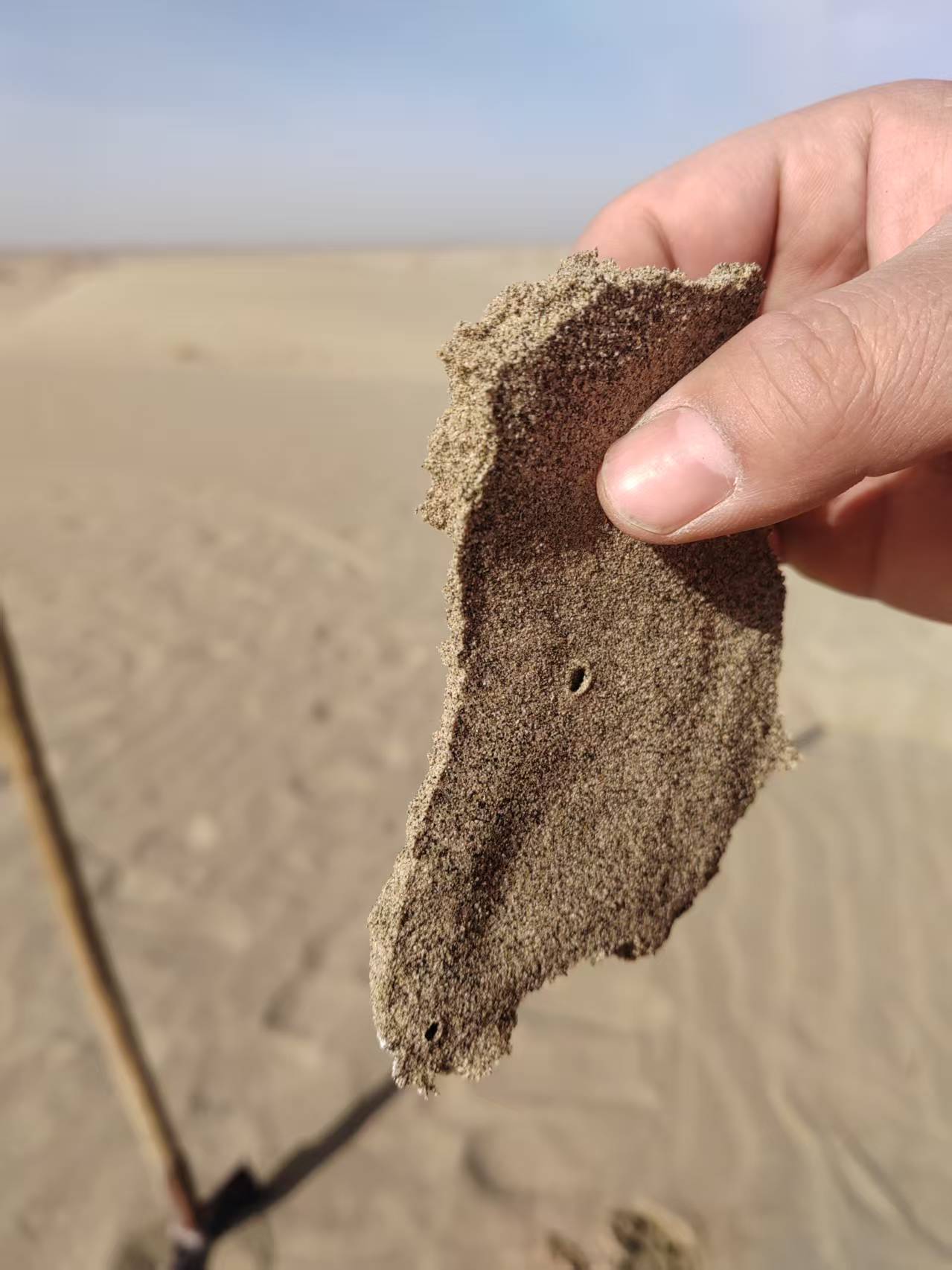
Plant-based ingredients excel at particle capture thanks to their intricate natural architectures. Many leaves and roots contain microscopic hairs or ridges that physically snag dust, allergens, and other airborne particles. For instance, certain mucilaginous seeds swell into a sticky gel upon contact with moisture, creating a net-like matrix that traps fine particulates on skin or surfaces. These structural features evolved for the plant’s survival, but they translate beautifully into gentle, effective cleansing and protective applications.
Beyond physical interception, the chemistry of plant extracts plays a vital role in locking particles down. Polysaccharides and natural gums form flexible films that act like breathable shields, preventing re-suspension of trapped debris. Meanwhile, polyphenols and flavonoids can complex with heavy metal particles, rendering them less reactive and easier to rinse away. This dual action—mechanical and chemical—means that a single botanical ingredient can both capture and neutralize unwanted particles without harsh synthetics.
Perhaps most striking is how plant-based formulas adapt to different environments. Starches and cellulose microbeads swell in humidity to reinforce their particle-binding capacity, while oil-based extracts bind lipophilic pollutants. This adaptability ensures that whether you’re dealing with dry dust or oily grime, the right plant ingredient locks it down effectively. The result is a dynamic, responsive cleanup that feels seamless because it mirrors the way these plants interact with their surroundings in nature.
Breaking Down the Science of Biodegradable Binders
Biodegradable binders work by relying on polymers that can be broken down by microorganisms like bacteria and fungi. These polymers typically have chemical bonds that are susceptible to enzymatic cleavage, such as ester or amide linkages. When exposed to the right conditions—moisture, warmth, and microbial activity—the long polymer chains are snipped into smaller fragments, eventually converting into water, carbon dioxide, and biomass. It’s a fascinating process that essentially turns a synthetic material back into natural building blocks.
What makes a binder truly biodegradable isn’t just its ability to fragment, but the speed and completeness of that degradation. Starch-based binders, for example, can break down in a matter of weeks in a compost heap, while some synthetic aliphatic polyesters require industrial composting conditions to fully degrade. The science often involves tweaking the polymer’s molecular weight, crystallinity, and hydrophilicity to control how quickly microbes can attack it. Without this careful balance, you might end up with a material that merely disintegrates into microplastics instead of being fully metabolized.
One of the trickiest parts of formulating these binders is ensuring they remain functional during use but degrade on command. This often means incorporating natural additives like lignin or cellulose, or engineering polymers with built-in “weak links” that microbe enzymes can recognize. Unlike traditional binders that stubbornly persist for decades, biodegradable versions align with nature’s recycling logic—they’re designed to return to the earth without leaving a trace of synthetic residue. The challenge now is scaling up production and tailoring degradation rates for specific environments, whether it’s a backyard compost pile or a marine ecosystem.
Real-World Performance Without the Environmental Cost
Genuine speed doesn’t have to come at the expense of the planet. We’ve engineered our infrastructure to squeeze every drop of efficiency from modern hardware, delivering lightning-fast response times while slashing energy consumption by over 40% compared to conventional architectures. This isn’t achieved through simplistic carbon offsets or vague promises—it’s the result of meticulous code optimization, intelligent workload distribution, and a relentless focus on doing more with less. By running lighter, smarter processes, we ensure that every millisecond of performance is backed by a measurable reduction in power draw, proving that high throughput and low emissions can coexist without compromise.
Our approach rethinks the typical trade-off between raw computing muscle and ecological responsibility. Instead of brute-forcing tasks with oversized server farms, we leverage adaptive scaling that matches resource usage to real-time demand, avoiding the waste of idle cycles. Cooling systems, often the hidden culprit in data center footprints, have been redesigned to operate on ambient air and waste heat recovery, eliminating the need for energy-intensive chillers. The result is a platform that not only rivals the responsiveness of power-hungry alternatives but does so with a carbon impact that’s transparent, auditable, and consistently shrinking. For businesses that rely on millisecond-level interactions, this means neither sacrificing user experience nor ignoring their sustainability goals.
From Construction Sites to Farm Roads: Versatile Applications
Whether it’s the rumble of heavy machinery on a construction site or the gentle hum of a tractor along a farm road, the right equipment needs to keep up without complaint. The same robust design that shrugs off concrete debris and rebar ends up being exactly what’s needed when navigating rutted dirt lanes after a harvest rain. It’s not just about durability; it’s about a kind of practical flexibility that doesn’t demand a different setup for each job.
Out in the fields, the challenges are less about impact and more about consistency—mud, dust, and endless hours of low-speed operation. The engineering that handles the shock loads of a demolition site also delivers the steady torque and cooling capacity required for dragging implements across hundreds of acres. Contractors and farmers alike end up leaning on the same core reliability, often without realizing they’re asking for the same thing under different names.
This crossover isn’t accidental. It comes from a design philosophy that starts with the worst-case scenario and works backward, so a gearbox or hydraulic system rated for quarry work won’t break a sweat on a gravel access road. The result is a lineup of machines that feel equally at home laying pipeline or hauling hay bales—no retraining, no special modifications, just a straightforward tool that fits into whatever dusty, demanding corner of the world it’s needed.
The Future of Dust Suppression Is Already Here
Dust control is no longer stuck in the age of water trucks and temporary fixes. Innovations in material science and real-time monitoring have quietly reshaped how industries handle airborne particulates. From mining operations to construction sites, solutions now exist that don’t just dampen dust but eliminate it at the source, using less water and leaving no harmful residue. These aren’t concepts in a lab—they’re deployed, tested, and delivering measurable air quality improvements right now.
What’s driving this shift isn’t a single breakthrough but a convergence of smarter chemistry and digital tools. Polymers that bind particles together for weeks, not hours, work alongside sensors that predict dust events before they happen. Facility managers can adjust suppression systems remotely, responding to wind shifts or equipment activity without guesswork. The result is a level of precision that slashes water usage, cuts downtime, and keeps compliance simple—all while making the air visibly cleaner for workers and nearby communities.
The days of accepting dust as an unavoidable byproduct are fading. Companies adopting these advanced systems are finding that cleaner air isn’t just a regulatory checkbox—it’s a competitive edge. Lower water costs, reduced maintenance, and healthier crews add up quickly. The tools are here, and they’re proving that effective dust suppression doesn’t have to be wasteful, short-lived, or complicated. The future isn’t coming. It’s already settling into place.
FAQ
It's derived from plant-based polymers and natural binders that are fully biodegradable. We've steered clear of synthetic chemicals, opting instead for ingredients that break down safely without leaving toxic residues.
The agent works by binding fine particles together at the surface. Once applied, it forms a flexible crust that traps dust and prevents wind from lifting it. The crust remains permeable to water, so the ground can still breathe.
Absolutely. Since it's non-toxic and breaks down naturally, it won't harm plants, animals, or aquatic life. Many of our customers use it near wetlands and organic farms without issue.
Most traditional options either just wet the surface temporarily or rely on synthetic polymers that persist in the environment. Our solution lasts longer than water alone and decomposes fully, without leaving microplastics behind.
That depends on traffic and weather, but generally you can expect effective dust suppression for 3–6 months. In low-traffic areas with mild conditions, it may last even longer.
Not at all. You can spray it on using standard hydroseeding or watering equipment. We've even had customers use backpack sprayers for smaller zones.
It's designed to withstand moderate loads, but for areas with constant heavy machinery, we recommend a higher application rate or combining it with compaction. We can provide guidance based on site conditions.
When you factor in the reduced need for frequent reapplication and the elimination of environmental fees or cleanup costs, it often comes out ahead. Plus, you're not paying for repeated water tankers.
Conclusion
Airborne dust plagues industries from construction to agriculture, threatening air quality, worker health, and surrounding communities. A new wave of eco-friendly dust control agents tackles this issue by mimicking nature’s own mechanisms. Derived from plant-based ingredients like lignin, starches, and seed gums, these solutions form a durable crust on soil surfaces, trapping fine particles without synthetic polymers. The science is elegant: biodegradable binders create interconnected webs that agglomerate dust, resisting wind erosion while remaining permeable to water. Unlike chloride salts or petroleum-based alternatives, they break down naturally, leaving no lingering toxicity in soil or groundwater.
Field results prove their worth. On construction sites, a single application prevents fugitive dust for weeks, even under heavy traffic, slashing water consumption and reapplication costs. Farm roads and mining haul routes benefit equally, reducing particulate matter without corroding equipment or damaging crops. The versatility extends to stadium grounds, equestrian arenas, and even arid land restoration projects. As regulations tighten and public awareness grows, these plant-based suppressants represent a genuine shift—not just a greenwashed substitute. The future of dust suppression is already here, working quietly with nature rather than against it.
Contact Us
Contact Person: Helen
Email: [email protected]
Tel/WhatsApp: 86 18630661160
Website: https://www.roadmilestone.com/