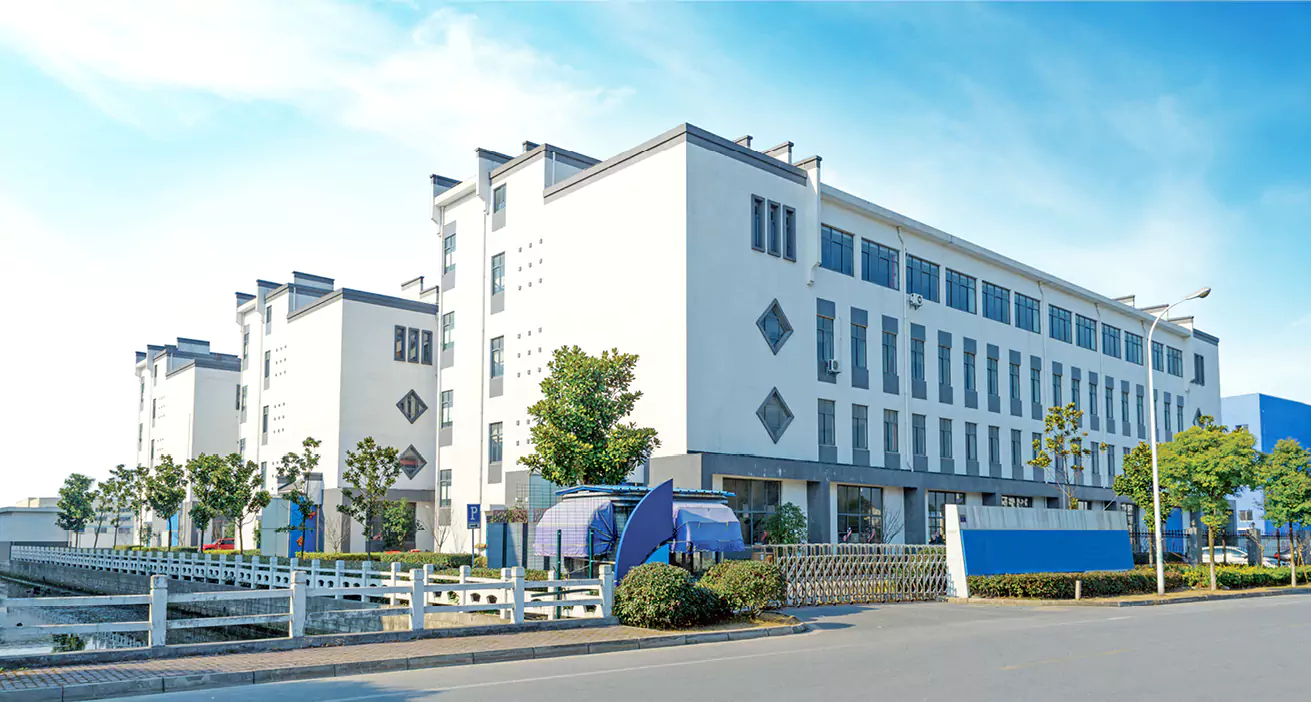

High-Speed Wire Rod Mill Solutions: Enhancing Efficiency and Precision in Modern Manufacturing
2026-03-06
As global manufacturing strives for higher efficiency and tighter tolerances, the production of wire rod stands at the forefront of this evolution. The demands of modern industries—from automotive to construction—require solutions that not only speed up processes but also ensure unparalleled precision. Enter GRM, a leader in innovative rolling mill technology. Our high-speed wire rod mill solutions are engineered to transform production lines, reducing downtime and enhancing product consistency. By integrating cutting-edge automation and robust design, GRM empowers manufacturers to meet the challenges of today's competitive landscape. Discover how our tailored approaches can elevate your operations and set new benchmarks in quality and throughput. GRM is redefining what's possible in wire rod manufacturing—join us in exploring the future of precision engineering.
Revolutionizing Wire Rod Production with Advanced Mill Technologies
The landscape of wire rod manufacturing is being reshaped by a wave of cutting-edge mill technologies, moving beyond traditional methods to deliver products with unprecedented precision and quality. Unlike older approaches, these advanced systems integrate high-speed rolling processes with real-time monitoring, enabling tighter diameter tolerances and superior surface finishes directly from the production line. This shift isn't just incremental—it's a fundamental leap that addresses longstanding challenges in consistency and performance, often reducing post-production adjustments and waste in ways that simpler mills couldn't achieve.
At the heart of this revolution are innovations like no-twist rolling and controlled cooling systems, which allow for the production of wire rods with enhanced mechanical properties tailored to specific applications, from construction to automotive sectors. By leveraging automated controls and data analytics, manufacturers can fine-tune parameters on the fly, ensuring each batch meets exact specifications without sacrificing efficiency. This adaptability means facilities can pivot quickly between different grades and sizes, a flexibility that sets modern mills apart in a competitive market driven by custom demands.
Looking ahead, the adoption of these technologies is poised to redefine industry standards, offering sustainable benefits such as reduced energy consumption and lower operational costs. As companies worldwide integrate smarter, more responsive mill setups, the potential for innovation in wire rod applications continues to expand, paving the way for stronger, more reliable materials in critical infrastructure and beyond. This dynamic evolution underscores a broader trend toward smarter manufacturing, where advanced mills aren't just tools but catalysts for lasting change in production paradigms.
Key Innovations Driving Precision and Speed in Manufacturing
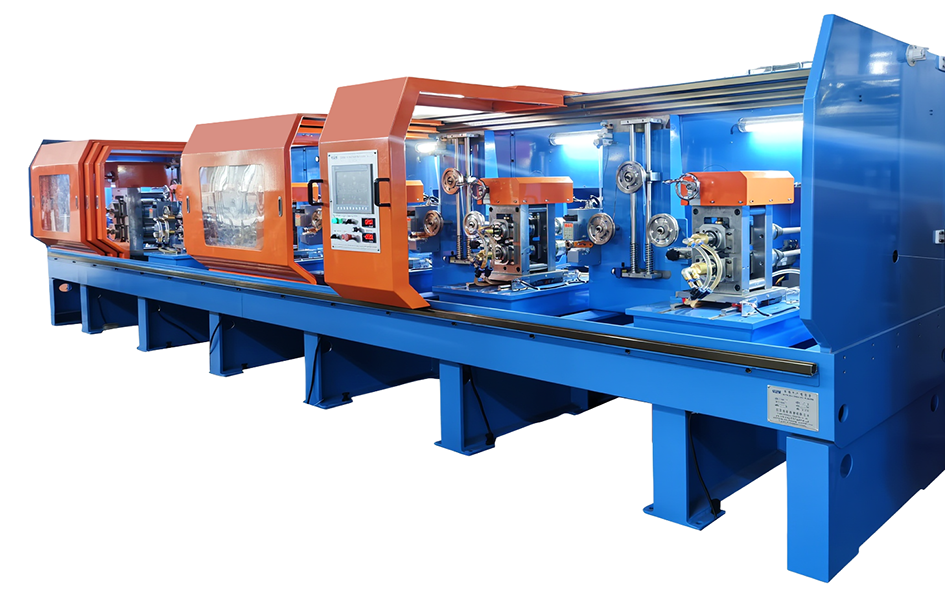
Modern manufacturing thrives on innovations that enhance precision and speed, transforming production lines into highly efficient ecosystems. Key advancements include robotics and automation, which not only reduce human error but also accelerate cycle times. For instance, collaborative robots work alongside human operators, handling repetitive tasks with consistent accuracy, while automated guided vehicles streamline material flow, minimizing bottlenecks.
In addition to automation, artificial intelligence (AI) and machine learning play pivotal roles in driving manufacturing forward. AI algorithms analyze real-time data to predict equipment failures, allowing for proactive maintenance that prevents costly downtime. This intelligent capability ensures that machines operate at peak performance, boosting throughput and maintaining tight tolerances in complex processes like additive manufacturing or CNC machining.
Furthermore, the integration of the Internet of Things (IoT) and advanced sensors has revolutionized precision by enabling detailed monitoring and control. IoT-connected devices collect vast amounts of data from every stage of production, facilitating just-in-time adjustments that refine quality and expedite delivery. This synergy of technologies fosters agile manufacturing environments, where speed and accuracy converge to meet evolving market demands seamlessly.
Tailored Solutions for Maximizing Efficiency in Industrial Operations
In the fast-paced landscape of modern industrial operations, generic approaches often fall short when it comes to achieving peak efficiency. Tailored solutions step in by meticulously analyzing individual workflows, equipment capabilities, and workforce dynamics. This bespoke strategy not only identifies bottlenecks that standard methods might overlook but also aligns technological upgrades with specific production goals, ensuring that every change directly contributes to streamlined processes and reduced operational downtime. By focusing on customization, businesses can avoid the pitfalls of one-size-fits-all systems and instead foster an environment where efficiency grows organically from within the existing framework.
Implementing these customized strategies typically involves a collaborative effort between engineers, data analysts, and frontline staff. For instance, a manufacturing plant might integrate smart sensors and AI-driven analytics to monitor machinery health in real-time, predicting maintenance needs before failures occur. This proactive approach minimizes unplanned stoppages and extends equipment lifespan, translating into significant cost savings and enhanced productivity. Moreover, by tailoring training programs to address specific skill gaps, companies empower their teams to operate new technologies effectively, creating a synergistic effect that amplifies overall operational efficiency beyond mere technical adjustments.
Beyond immediate gains, tailored solutions lay the groundwork for sustainable growth and adaptability in industrial settings. As market demands shift and new challenges emerge, these customized frameworks can be refined iteratively, incorporating feedback and performance data to stay ahead of the curve. This dynamic responsiveness ensures that efficiency maximization isn't a one-off project but an ongoing journey, fostering a culture of continuous improvement that keeps operations agile and competitive in an ever-evolving global landscape.
Overcoming Traditional Challenges with High-Speed Rolling Systems
High-speed rolling systems aren't just about going faster—they're about reimagining entire industrial processes from the ground up. Traditional methods often hit a wall at certain velocity thresholds, leading to material defects, excessive wear, or safety hazards. But by integrating precision control mechanisms right into the roll design, these modern setups effectively tame the chaos that comes with rapid movement. Imagine a rolling mill where sensors feed real-time data to adaptive algorithms, fine-tuning pressure and alignment on the fly. This isn't incremental improvement; it's a leap that lets manufacturers push limits without sacrificing quality or longevity.
What truly sets advanced systems apart is how they tackle thermal management, a classic bottleneck in high-speed operations. Instead of relying on bulky cooling units that slow things down, engineers now embed micro-channels within the rolls themselves. These channels circulate coolant directly where heat builds up, maintaining consistent temperatures across entire runs. The result? Reduced downtime for cool-offs and a dramatic cut in energy waste. It's a clever twist on an old problem, turning thermal inertia from a foe into an asset.
But the innovation doesn't stop there. Maintenance routines have been flipped on their head, moving from reactive fixes to predictive care. By analyzing vibration patterns and acoustic signatures, these systems can whisper warnings long before a catastrophic failure. That means fewer unplanned stoppages and smoother production flows—key advantages in today's just-in-time manufacturing world. Ultimately, it's this holistic approach, blending speed with smart oversight, that defines the new era of rolling technology.
Integrating Automation for Enhanced Quality and Consistency
Implementing automation in workflows is a strategic move that directly boosts both product quality and operational consistency across various stages. By automating repetitive tasks, such as data entry or quality checks, organizations minimize the risk of human error that often leads to inconsistencies in output. This not only ensures that every batch or project meets predefined standards but also frees up human resources to focus on more creative or complex aspects, where their expertise can drive further improvements.
Beyond reducing errors, automation enhances consistency by standardizing processes, which is crucial in industries like manufacturing or software development where uniformity is key. For instance, automated testing tools can run the same set of checks on every software release, ensuring that performance remains stable and reliable over time. This leads to higher customer satisfaction and trust, as clients receive products or services that consistently meet their expectations without unexpected variations.
Moreover, integrating automation isn't just about technology—it involves fostering a culture that values precision and continuous refinement. By leveraging data from automated systems, teams can analyze trends and make data-driven adjustments to further optimize quality and consistency. This proactive approach allows organizations to stay ahead in competitive markets, turning automation into a core strength that supports long-term growth and innovation.
Future Trends: Sustainable and Smart Manufacturing in Wire Rod Mills
The wire rod manufacturing sector is increasingly embracing sustainable practices, driven by environmental regulations and consumer demand for greener products. Beyond just reducing emissions, mills are implementing energy-efficient technologies like regenerative furnaces and waste heat recovery systems. Some facilities have even transitioned to using renewable energy sources, such as solar or wind power, to lower their carbon footprint. Moreover, the adoption of circular economy principles is gaining traction, with a focus on recycling scrap metal and minimizing water usage, aiming to create a more resource-efficient production cycle that aligns with global sustainability goals.
Integrating smart technologies is transforming wire rod mills into highly automated and data-driven environments. The use of IoT sensors and real-time monitoring systems allows for precise control over production parameters, from temperature to speed, enhancing quality and consistency. Artificial intelligence and machine learning algorithms analyse this data to predict maintenance needs, reducing downtime and operational costs. These innovations not only streamline workflows but also enable remote operation and customization, catering to niche markets with specific product requirements while boosting overall efficiency and competitiveness.
As these trends converge, wire rod mills are evolving into agile hubs that balance ecological responsibility with technological advancement. Future developments may include deeper integration of digital twins for simulation-based optimization and advanced robotics for safer, more flexible operations. By focusing on sustainability and intelligence, the industry is poised to meet evolving challenges, ensuring long-term viability and setting new benchmarks for innovation in metal manufacturing.
FAQ
High-speed wire rod manufacturing often grapples with maintaining consistent quality at elevated production speeds, managing thermal variations, and reducing energy consumption, which directly impacts cost-effectiveness and product reliability.
Modern solutions leverage advanced sensors and real-time data analytics to monitor dimensions and surface quality, allowing for immediate adjustments that ensure tighter tolerances and fewer defects in the final product.
Technologies such as automated roll gap control, energy-efficient drives, and predictive maintenance systems are integrated to optimize throughput, reduce downtime, and lower operational costs without sacrificing speed.
Efficiency is vital because it lowers production costs and environmental impact while meeting high market demand; even minor improvements in process streamlining can lead to significant competitive advantages and sustainability gains.
Precision cooling systems are essential for controlling the microstructure and mechanical properties of the wire rod, ensuring that high-speed production does not compromise material strength or ductility.
By minimizing waste, optimizing energy use, and enhancing material yield, these solutions support eco-friendly practices, helping manufacturers reduce their carbon footprint and comply with stricter environmental regulations.
Adopting these solutions leads to higher production rates, superior product consistency, reduced operational expenses, and greater flexibility in meeting diverse customer specifications and market trends.
Conclusion
The article on High-Speed Wire Rod Mill Solutions highlights how modern manufacturing is being transformed by advanced technologies to boost efficiency and precision. In the section titled Revolutionizing Wire Rod Production with Advanced Mill Technologies, it explores how cutting-edge systems are replacing outdated methods, enabling faster production rates while maintaining high-quality standards. This is further emphasized in Key Innovations Driving Precision and Speed in Manufacturing, which details breakthroughs like real-time monitoring and adaptive controls that reduce errors and optimize output. By integrating these innovations, manufacturers can overcome traditional bottlenecks, as discussed in Overcoming Traditional Challenges with High-Speed Rolling Systems, where issues like material waste and downtime are minimized through robust, high-speed setups.
Looking forward, the article underscores the importance of Tailored Solutions for Maximizing Efficiency in Industrial Operations, showing how custom configurations can meet specific industry needs, enhancing overall productivity. This is complemented by Integrating Automation for Enhanced Quality and Consistency, which demonstrates how automated processes ensure uniform wire rod properties, reducing human error and improving reliability. As the industry evolves, Future Trends: Sustainable and Smart Manufacturing in Wire Rod Mills points towards eco-friendly practices and intelligent systems that align with broader industrial goals. Overall, the discussion illustrates a comprehensive approach to modernizing wire rod production, blending speed, precision, and innovation to drive sustainable growth in manufacturing.
Contact Us
Contact Person: Rayna
Email: [email protected]
Tel/WhatsApp: 86 -173 1474 6343
Website: https://www.grmrollingmill.com/