
Lauryl Alcohol Ethoxylate: A Top Distributor's Essential Guide for Your Needs
2026-03-02
Are you searching for a reliable source of Lauryl Alcohol Ethoxylate to meet your industrial needs? Look no further—this essential guide is here to simplify your journey. As a top distributor, POLYKEM is dedicated to providing high-quality solutions that ensure efficiency and excellence in every application. In this blog, we'll explore the key benefits, uses, and insider tips for selecting the right Lauryl Alcohol Ethoxylate, all designed to help you make informed decisions. Whether you're in manufacturing, cosmetics, or cleaning products, our expertise at POLYKEM ensures you get the best value and performance. Stay tuned to uncover how this versatile compound can transform your processes—let's dive in!
What is Lauryl Alcohol Ethoxylate and Why It Matters in Your Industry
Lauryl Alcohol Ethoxylate, often abbreviated as LAE, is a surfactant derived from lauryl alcohol, a fatty alcohol sourced from natural or synthetic origins. It's produced through a process called ethoxylation, where ethylene oxide is added to the alcohol chain, creating a versatile compound with both hydrophilic and hydrophobic properties. This structure allows it to effectively reduce surface tension between liquids and solids, making it a key ingredient in countless formulations. In everyday terms, it's what helps your cleaning products foam up and spread evenly, ensuring thorough coverage without leaving residues. Its adaptability makes it a favorite among chemists for tailoring products to specific needs, from gentle household cleaners to robust industrial degreasers.
In your industry, Lauryl Alcohol Ethoxylate matters because it acts as a multi-functional workhorse that enhances product performance across the board. For instance, in the manufacturing sector, it's crucial for emulsion polymerization, where it stabilizes particles to produce consistent paints, coatings, and adhesives with improved durability and finish. In agriculture, it serves as a wetting agent in pesticides and herbicides, helping them adhere to plant surfaces for better efficacy while minimizing runoff. Its ability to dissolve oils and greases also makes it indispensable in the automotive and metalworking fields, where it powers degreasing solutions that keep machinery running smoothly. Without LAE, many industrial processes would face higher costs and reduced efficiency, as alternatives often fall short in balancing performance with environmental safety.
What sets Lauryl Alcohol Ethoxylate apart is its balance of effectiveness and safety, which has led to widespread adoption in eco-conscious industries. Compared to older surfactants, it's often more biodegradable and less toxic, aligning with stricter regulatory standards and consumer demands for sustainable products. In the personal care sector, for example, it's used in shampoos and lotions for its mildness on skin, while in textiles, it aids in dyeing processes without harming fabrics or workers. This versatility not only boosts operational reliability but also supports innovation, enabling companies to develop greener solutions without compromising on quality. By integrating LAE into your workflows, you're not just optimizing performance; you're future-proofing your operations against evolving market trends and environmental pressures.
Sourcing High-Quality Lauryl Alcohol Ethoxylate: Tips from a Distributor's View
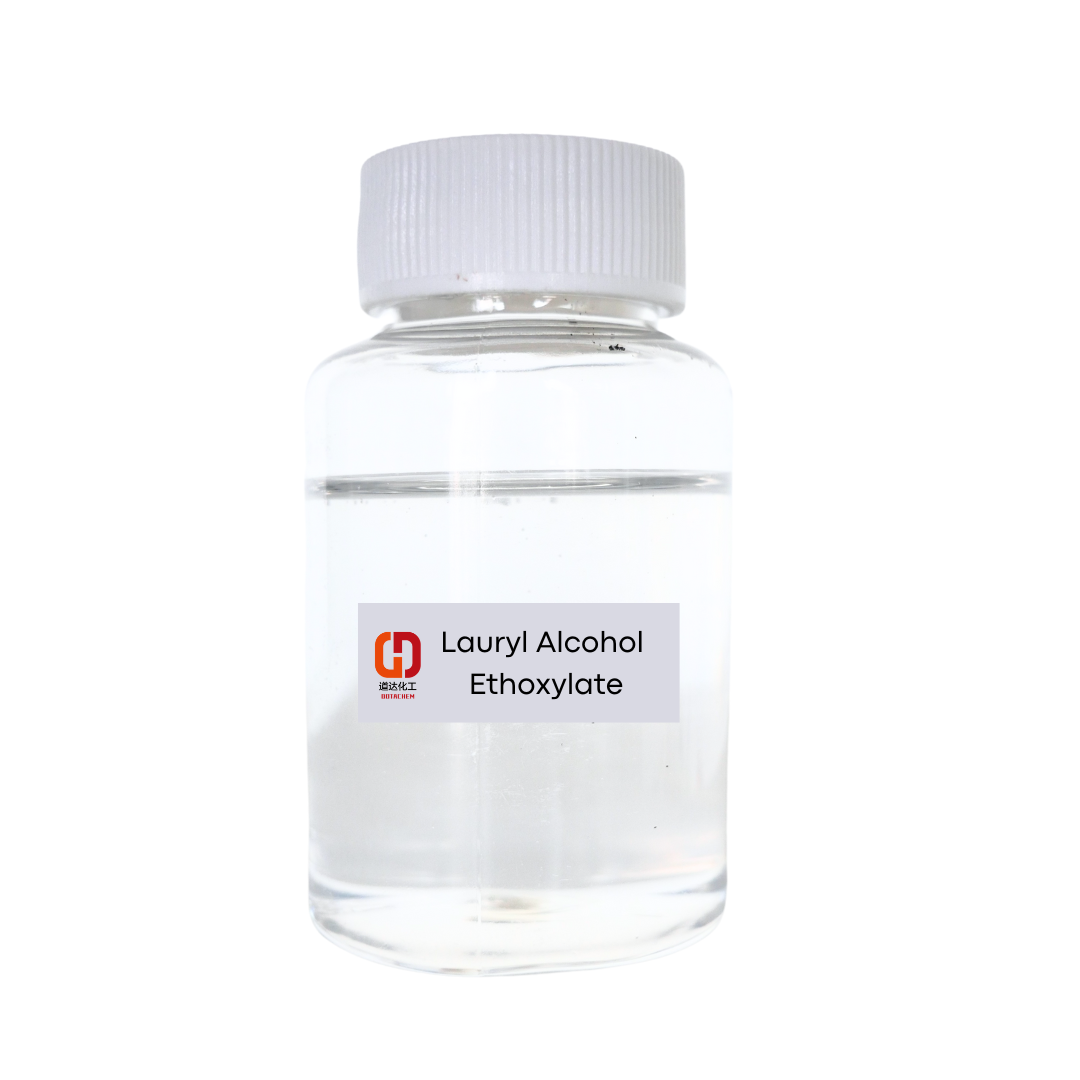
Navigating the market for lauryl alcohol ethoxylate often feels like searching for a needle in a haystack, especially when quality and reliability can vary significantly between suppliers. From my years of experience in distribution, I've learned that the secret to sourcing top-tier material lies in digging deeper than just the technical specifications. It's about building relationships with manufacturers who prioritize rigorous testing and transparency—think of it as a partnership where you can verify every batch's purity and consistency firsthand, ensuring it meets your exact needs without any surprises.
Another crucial tip is to look beyond the initial cost; while competitive pricing might catch your eye, it can sometimes mask hidden compromises in raw material quality or production shortcuts. I always advise clients to request detailed documentation, such as GC-MS reports or biodegradability certificates, which reveal the true story behind the product. This way, you're not just buying a chemical but investing in a solution that delivers reliable performance over time, saving you from costly downtime or rework in your applications.
Lastly, consider the distributor's role as more than just a middleman—they should act as your advocate, providing insights into industry trends and helping you adapt to shifting supply chains. By choosing a distributor with a robust network and a proactive approach to customer support, you can stay ahead of demand fluctuations and ensure a steady, high-quality supply of lauryl alcohol ethoxylate that keeps your operations running smoothly and efficiently.
Versatile Applications of Lauryl Alcohol Ethoxylate in Modern Products
In today's industrial landscape, lauryl alcohol ethoxylate stands out as a key ingredient, quietly enhancing a wide array of products we rely on daily. Its versatility stems from its unique molecular structure, which combines the hydrophobic properties of lauryl alcohol with the hydrophilic nature of ethoxylate groups, making it an effective surfactant and emulsifier. This dual functionality allows it to dissolve both oil and water-based substances, a critical feature that manufacturers leverage to improve product performance across sectors. From household cleaners to agricultural sprays, its ability to reduce surface tension and stabilize formulations makes it indispensable, though its role often goes unnoticed by end-users who simply enjoy the improved efficacy and consistency it brings.
Beyond traditional uses, lauryl alcohol ethoxylate has found innovative applications in personal care and hygiene products, where its gentle cleansing properties are highly valued. In shampoos, body washes, and facial cleansers, it helps to create rich lather while effectively removing dirt and oils without stripping the skin or hair of natural moisture. This balanced approach makes it a favorite among formulators aiming to develop products that are both effective and mild, catering to consumers who prioritize gentle yet thorough care. Its compatibility with various ingredients also allows for creative formulations, such as in moisturizers and conditioners where it aids in delivering active components, enhancing overall user experience without compromising on safety or quality.
The adaptability of lauryl alcohol ethoxylate extends into industrial and specialized contexts, demonstrating its far-reaching impact. In the textile industry, it serves as a vital component in dyeing and finishing processes, helping to ensure even color distribution and improved fabric softness. Agricultural applications benefit from its role in crop protection products, where it aids in the even spreading and adhesion of pesticides and herbicides, leading to more efficient and sustainable farming practices. These diverse uses highlight how this compound bridges gaps between everyday consumer goods and high-tech industrial solutions, proving that even a single chemical can drive innovation across multiple fields, supporting modern conveniences and environmental goals alike.
How to Choose the Right Lauryl Alcohol Ethoxylate Supplier for Your Business
When embarking on the quest for a lauryl alcohol ethoxylate supplier, it's crucial to prioritize firms that not only offer competitive pricing but also demonstrate a strong commitment to quality and consistency. In today's market, many suppliers may claim to have the best products, but you'll want to dig deeper—consider factors like their sourcing of raw materials and adherence to industry standards such as ISO certifications. A reliable supplier should have a proven track record in delivering batches that meet your specific requirements, whether for surfactants in personal care items or industrial applications. This initial vetting can save you from costly disruptions down the line.
Another aspect often overlooked is the supplier's ability to provide tailored support and technical expertise. Beyond just supplying the chemical, look for partners who offer guidance on formulation, regulatory compliance, and even sustainability options like biodegradable variants. This collaborative approach can enhance your product development and ensure that the lauryl alcohol ethoxylate integrates seamlessly into your processes. For instance, some suppliers might share insights on optimizing usage rates to reduce waste, which can boost your operational efficiency and environmental credentials. By choosing a supplier that acts as a strategic ally, you're investing in long-term success rather than a mere transaction.
Finally, evaluate the logistical capabilities and customer service responsiveness of potential suppliers. In a fast-paced business environment, delays in delivery or poor communication can derail production schedules and harm your reputation. Seek out suppliers with robust distribution networks and transparent policies on lead times, inventory management, and after-sales support. Reading reviews or requesting case studies from current clients can provide real-world insights into their reliability. Ultimately, the right supplier for your lauryl alcohol ethoxylate needs is one that aligns with your business values and operational demands, fostering a partnership that grows with your evolving requirements.
Storage and Handling Best Practices for Lauryl Alcohol Ethoxylate
Proper storage and handling of lauryl alcohol ethoxylate are crucial to maintain its quality and ensure safety in industrial applications. This surfactant, commonly used in detergents and personal care products, should be stored in a cool, dry place away from direct sunlight and sources of ignition. Using non-reactive containers made from materials like stainless steel or high-density polyethylene can prevent contamination and degradation over time.
During handling, wear appropriate protective equipment, including gloves and safety glasses, to avoid skin or eye contact. Always follow local regulations and manufacturer guidelines for ventilation and spill management. Implementing rigorous labeling and inventory tracking systems helps prevent mix-ups and supports efficient workflow in facilities that use this chemical regularly.
To further enhance safety, establish clear protocols for emergency response, such as having spill kits readily available and training staff on proper disposal methods. Regular inspections of storage areas and equipment can identify potential issues early, reducing risks and ensuring compliance with environmental standards.
Future Trends and Innovations in Lauryl Alcohol Ethoxylate Usage
As industries continue to evolve, the application of lauryl alcohol ethoxylate is witnessing a shift towards more sustainable and high-performance formulations. Emerging trends highlight its integration in green chemistry, where researchers are focusing on bio-based alternatives that reduce environmental impact without compromising efficacy. This innovation is particularly driven by the demand for biodegradable surfactants in personal care and household products, pushing manufacturers to explore novel synthesis methods that lower carbon footprints and enhance product lifecycle.
In parallel, technological advancements are expanding the role of lauryl alcohol ethoxylate into specialized sectors such as pharmaceuticals and agriculture. For instance, in drug delivery systems, its modified derivatives are being tested for improved solubility and targeted release, offering potential breakthroughs in medical treatments. Similarly, in agriculture, innovative formulations are being developed to enhance pesticide adherence and reduce runoff, addressing global challenges in food security and environmental stewardship. These applications underscore a move beyond traditional uses, fostering cross-industry collaboration and tailored solutions.
Looking ahead, the innovation landscape for lauryl alcohol ethoxylate is set to be shaped by digitalization and customization. The rise of smart manufacturing and data analytics enables more precise control over ethoxylation processes, leading to bespoke products that meet specific industrial needs. Additionally, consumer preferences for natural and multifunctional ingredients are spurring the creation of hybrid lauryl alcohol ethoxylate blends, which combine cleaning power with added benefits like skin conditioning or antimicrobial properties. This trend not only diversifies market offerings but also positions lauryl alcohol ethoxylate as a versatile component in future-proof innovations, ensuring its relevance in a rapidly changing world.
FAQ
Lauryl alcohol ethoxylate is a surfactant derived from lauryl alcohol and ethylene oxide, widely used in cleaning products, cosmetics, textiles, and agriculture for its emulsifying and wetting properties.
Selecting the right grade depends on factors like ethylene oxide chain length, which affects solubility and performance; consider your specific needs such as foaming, detergency, or compatibility with other ingredients.
Top distributors offer reliable supply chains, quality assurance, technical support, and competitive pricing, ensuring consistency and efficiency in your operations.
It's generally considered safe with low toxicity, but follow standard safety measures like wearing protective gear and ensuring proper disposal to minimize environmental impact.
It often provides a good balance of cost-effectiveness and performance, being versatile and efficient compared to some specialized surfactants, with lower environmental persistence than certain alternatives.
Yes, many distributors offer tailored solutions, such as adjusting ethoxylation degrees or creating blends, to meet unique requirements in areas like personal care or industrial cleaners.
Current trends include a push for eco-friendly, biodegradable variants, increased use in high-performance formulations, and growing demand in emerging markets.
Work with trusted distributors who provide batch testing, certificates of analysis, and clear specifications, and establish long-term partnerships for steady supply and quality control.
Conclusion
Lauryl alcohol ethoxylate (LAE) stands as a crucial non-ionic surfactant in various industries, prized for its superior emulsifying, wetting, and cleaning properties that enhance product performance in applications ranging from household cleaners to agrochemicals. Its significance lies in its ability to reduce surface tension effectively, making it indispensable in formulations requiring stability and efficiency. From a distributor's perspective, sourcing high-quality LAE involves partnering with suppliers who adhere to stringent purity standards and offer consistent batch-to-batch reliability, ensuring that end-products meet regulatory and performance benchmarks without compromising on safety or efficacy in diverse industrial settings.
Choosing the right supplier goes beyond price considerations—it requires evaluating factors like supply chain transparency, technical support, and adherence to storage best practices such as maintaining cool, dry conditions to prevent degradation. As innovations drive the market, future trends point towards eco-friendly variants and tailored formulations that cater to evolving consumer demands for sustainability. This guide empowers businesses to navigate LAE selection intelligently, leveraging its versatility in modern products while staying ahead in a competitive landscape through strategic sourcing and forward-thinking application insights.
Contact Us
Contact Person: Levi
Email: [email protected]
Tel/WhatsApp: +86 532 84688720
Website: https://www.polykem-intl.com