
Lauryl Alcohol Ethoxylate: Key Insights for Manufacturers and Industry Professionals
2026-03-01
In the world of surfactants, lauryl alcohol ethoxylate stands as a versatile and essential compound, driving innovation across numerous industries. For manufacturers and industry professionals, understanding its properties, applications, and market dynamics is key to unlocking new opportunities and enhancing product performance. At POLYKEM, we're dedicated to providing expert insights and high-quality solutions that empower businesses to thrive in this competitive landscape. In this blog, we'll delve into the crucial aspects of lauryl alcohol ethoxylate, offering actionable knowledge to help you optimize your processes and stay ahead of the curve. Join us as we explore the latest trends, challenges, and best practices, all designed to spark your curiosity and support your success.
Understanding Lauryl Alcohol Ethoxylate: Composition and Basic Properties
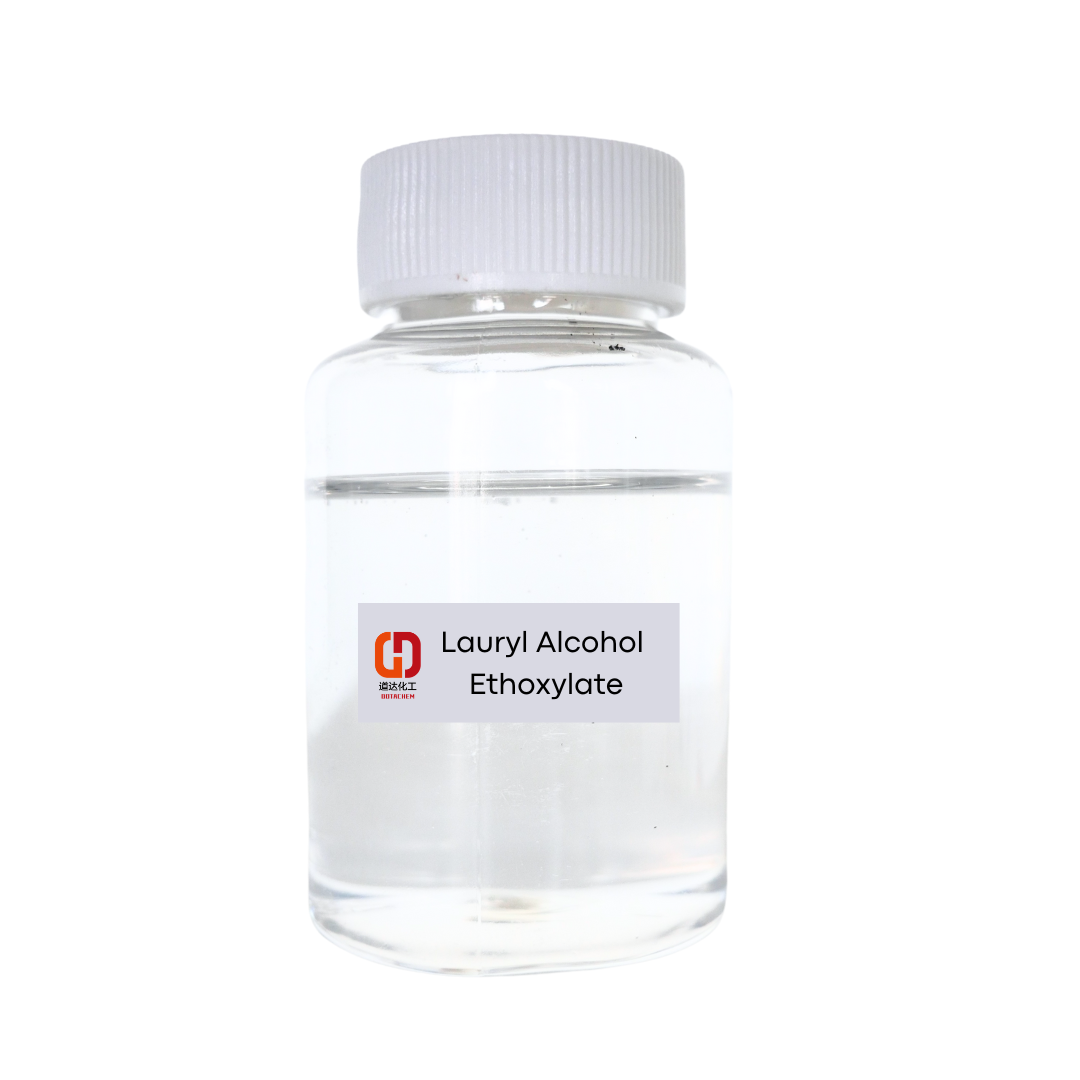
Lauryl alcohol ethoxylate might sound like a mouthful, but it's actually a pretty common surfactant derived from natural and synthetic sources. At its core, this compound consists of lauryl alcohol—a fatty alcohol often sourced from coconut or palm oil—that's been chemically modified through a process called ethoxylation. This involves adding ethylene oxide units to the alcohol chain, which tweaks its properties to make it more soluble in water while retaining its ability to interact with oils and dirt. Essentially, it's this blend of hydrophobic and hydrophilic parts that gives lauryl alcohol ethoxylate its versatility, allowing it to act as an emulsifier, wetting agent, or detergent in various applications, from household cleaners to industrial formulations.
When you dive into the nitty-gritty of its composition, the number of ethylene oxide units attached can vary widely, typically ranging from 2 to 12 or more, depending on the desired use. For instance, a version with fewer ethylene oxide groups tends to be more lipophilic, making it great for heavy-duty degreasing, while those with higher counts are better suited for milder products like shampoos or cosmetics where gentle cleansing is key. This tunability means manufacturers can fine-tune the molecule to hit specific performance targets, whether that's foaming ability, stability in different pH levels, or compatibility with other ingredients. It's this adaptability that has cemented its role across industries, offering a reliable base that can be customized without reinventing the wheel.
On the basic properties front, lauryl alcohol ethoxylate generally presents as a clear to pale yellow liquid or waxy solid, with a mild, often unnoticeable odor. It's non-toxic in typical use concentrations and biodegradable under aerobic conditions, which adds to its appeal in eco-conscious formulations. In terms of performance, it excels at lowering surface tension, which helps it spread easily and penetrate soils, while also being compatible with a range of electrolytes and other surfactants. Whether it's in a hard surface cleaner tackling grease or a personal care product providing a rich lather, these properties make it a go-to choice for formulators looking to balance effectiveness with environmental considerations.
Production Methods and Industrial Synthesis for Efficient Manufacturing
Efficient manufacturing hinges on optimizing production methods to minimize waste and maximize output. It involves integrating advanced techniques such as lean manufacturing and just-in-time production, which streamline operations and reduce lead times. Digital tools like the Internet of Things (IoT) and automation further enhance precision and consistency, enabling real-time monitoring and adjustments. By adopting these strategies, industries can achieve higher efficiency, lower costs, and improved quality, all while maintaining flexibility to adapt to market changes.
Industrial synthesis plays a crucial role in consolidating various production processes into cohesive systems. This approach leverages modular design and scalable infrastructure to facilitate rapid prototyping and mass production. For instance, additive manufacturing, or 3D printing, allows for complex geometries with minimal material usage, revolutionizing sectors from aerospace to healthcare. Emphasizing sustainability through closed-loop cycles and renewable energy integration not only boosts efficiency but also reduces environmental impact, making operations more resilient and future-proof.
To stand out, manufacturers are increasingly prioritizing customization and agility. By implementing AI-driven predictive analytics and collaborative robotics, processes become more adaptive to customer demands and supply chain disruptions. Innovations in nanotechnology and biotechnology are also opening new avenues for efficient synthesis, such as developing stronger materials or bio-based alternatives. Ultimately, a focus on continuous improvement and cross-disciplinary collaboration ensures that manufacturing remains dynamic, competitive, and aligned with evolving industry standards.
Diverse Applications Across Industries: From Detergents to Cosmetics
Surfactants might not be a household name, but they're the unsung heroes in countless products we use daily, seamlessly bridging the gap between household cleaning and personal care. In the detergent industry, these molecules work tirelessly to lift dirt and grease from fabrics, ensuring clothes come out spotless and fresh. Their ability to reduce surface tension allows water to penetrate fibers more effectively, making stains a thing of the past. Beyond laundry, they're key in dish soaps, where they cut through stubborn grease on plates, and in all-purpose cleaners that tackle grime on various surfaces, proving their versatility in maintaining hygiene across homes.
When it comes to cosmetics, surfactants take on a gentler role, often hidden in the fine print of ingredient lists. They're the backbone of shampoos and body washes, creating rich lathers that cleanse without stripping natural oils from skin and hair. In skincare, they help emulsify lotions and creams, blending water and oil-based ingredients into smooth, stable formulations that absorb quickly. From luxurious bath bombs to everyday moisturizers, these components ensure products feel pleasant and perform reliably, blending science with sensory appeal to enhance daily routines.
The transition from detergents to cosmetics highlights how surfactants adapt to different needs, from industrial-strength cleaning to delicate personal care. Innovations in green chemistry are pushing boundaries, with bio-based surfactants emerging as eco-friendly alternatives that maintain efficacy while reducing environmental impact. For instance, some cosmetic brands now feature plant-derived versions that are biodegradable and gentle, appealing to conscious consumers. This evolution underscores their enduring relevance, as they continue to shape products that meet both practical demands and evolving consumer preferences, marking them as indispensable across diverse sectors.
Safety and Environmental Considerations for Responsible Usage
Prioritizing safety and environmental stewardship is essential when engaging in any activity that impacts our surroundings. Whether you're handling tools, traveling, or making everyday choices, taking a moment to assess potential hazards and ecological effects can prevent accidents and reduce your footprint. This approach not only protects you and others but also contributes to a healthier planet by encouraging mindful resource use and waste minimization.
Responsible usage involves adopting practices that safeguard both people and ecosystems. For instance, in industrial or domestic settings, following proper guidelines for equipment operation helps avoid injuries and pollution. Similarly, opting for sustainable materials and energy-efficient methods can significantly cut down on environmental degradation. By integrating these considerations into your routine, you foster a culture of care that benefits communities and natural habitats alike.
To stand out in this effort, focus on practical, personalized strategies rather than generic advice. Tailor your actions to your specific context—like choosing local, eco-friendly products or participating in community clean-ups—to make a tangible difference. Emphasizing proactive measures, such as regular maintenance checks and recycling initiatives, ensures that safety and environmental mindfulness become seamless, impactful parts of daily life, setting a positive example for others.
Market Trends and Demand Analysis for Strategic Planning
In today's fast-paced global economy, understanding market trends and conducting thorough demand analysis are critical for developing effective strategic plans. Companies that fail to anticipate shifts in consumer behavior or emerging industry patterns risk falling behind competitors and missing growth opportunities. By leveraging data analytics and consumer insights, businesses can identify not only current preferences but also forecast future demands, enabling proactive rather than reactive decision-making. This approach transforms raw market data into actionable intelligence, guiding everything from product development to marketing campaigns and resource allocation.
A nuanced demand analysis goes beyond surface-level statistics to uncover the underlying drivers behind market movements. For instance, changes in demographic trends, technological advancements, or regulatory frameworks can significantly alter demand landscapes across sectors. Strategic planning must incorporate these variables to build resilient business models that adapt to both opportunities and threats. By integrating qualitative research, such as customer feedback and expert interviews, with quantitative data like sales figures and market share reports, organizations can paint a comprehensive picture of their competitive environment, ensuring strategies are grounded in reality rather than assumptions.
Ultimately, embedding market trends and demand analysis into strategic planning fosters a culture of continuous learning and agility. It encourages teams to regularly revisit and refine their approaches based on real-world evidence, reducing the risk of costly missteps. In practice, this might involve scenario planning exercises that explore multiple demand forecasts or pilot programs to test market receptivity before full-scale launches. Such dynamic strategies empower companies to navigate uncertainties with confidence, turning potential disruptions into avenues for innovation and sustained success in an ever-evolving marketplace.
Tips for Quality Control and Performance Optimization
Quality control and performance optimization are vital in any production process. Start by implementing routine checks at key stages to catch issues early. For example, in manufacturing, inspect raw materials before assembly. This proactive approach helps maintain consistency and prevents costly rework. Use data tracking to spot trends, like recurring defects, and address them promptly.
To boost performance, focus on streamlining workflows. Identify bottlenecks, such as slow approval steps, and simplify them. Regular training can equip teams with skills to operate efficiently and adapt to new tools. Additionally, encourage feedback from staff—their insights often reveal practical improvements that metrics might miss.
Invest in technology wisely; not every upgrade yields benefits. Test new systems in small batches to gauge their impact before full-scale adoption. For instance, a software update might speed up data processing but require extra training. Balancing innovation with stability ensures sustained gains without disrupting operations.
FAQ
Lauryl alcohol ethoxylate is widely employed as a surfactant or detergent, particularly in cleaning products like degreasers and laundry detergents, due to its effective emulsifying properties.
The ethoxylation process adds ethylene oxide molecules to lauryl alcohol, which can enhance its solubility in water, adjust its viscosity, and improve performance in formulations like shampoos or industrial cleaners.
While biodegradable in aerobic conditions, it can be toxic to aquatic life in high concentrations, so manufacturers should follow regulatory guidelines and consider eco-friendly disposal methods.
By experimenting with varying ethoxylation degrees, users can tailor the product for specific needs, such as improving temperature stability in washing agents or enhancing efficacy in pesticide formulations.
Workers should use protective gear like gloves and goggles, ensure proper ventilation to avoid inhalation risks, and adhere to standard operating procedures to prevent skin contact or spills.
It's seeing increased demand in regions like Asia-Pacific, driven by growth in personal care and agrochemical sectors, as manufacturers seek cost-effective and versatile surfactants.
Conclusion
Lauryl alcohol ethoxylate, a versatile surfactant widely utilized in manufacturing, offers key insights for industry professionals through its unique composition and properties. Derived from lauryl alcohol and ethylene oxide, this nonionic compound exhibits excellent emulsifying and wetting capabilities, making it a staple in sectors ranging from detergents to cosmetics. By integrating industrial synthesis methods, such as ethoxylation under controlled conditions, manufacturers can achieve efficient production with consistent quality. Understanding these fundamental aspects enables better strategic planning and application development, highlighting the chemical's adaptability in various formulations and its role in enhancing product performance across diverse markets.
In addition to its practical applications, responsible usage of lauryl alcohol ethoxylate involves addressing safety and environmental considerations, which are crucial for sustainable industry practices. Current market trends indicate a growing demand driven by eco-friendly and high-performance products, prompting manufacturers to adopt advanced quality control measures and optimization strategies. By analyzing these trends and implementing robust production techniques, professionals can navigate competitive landscapes effectively. Embracing innovation in synthesis and application not only improves operational efficiency but also aligns with evolving regulatory standards, ensuring long-term viability and meeting consumer expectations for safer, more effective solutions in the global marketplace.
Contact Us
Contact Person: Levi
Email: [email protected]
Tel/WhatsApp: +86 532 84688720
Website: https://www.polykem-intl.com