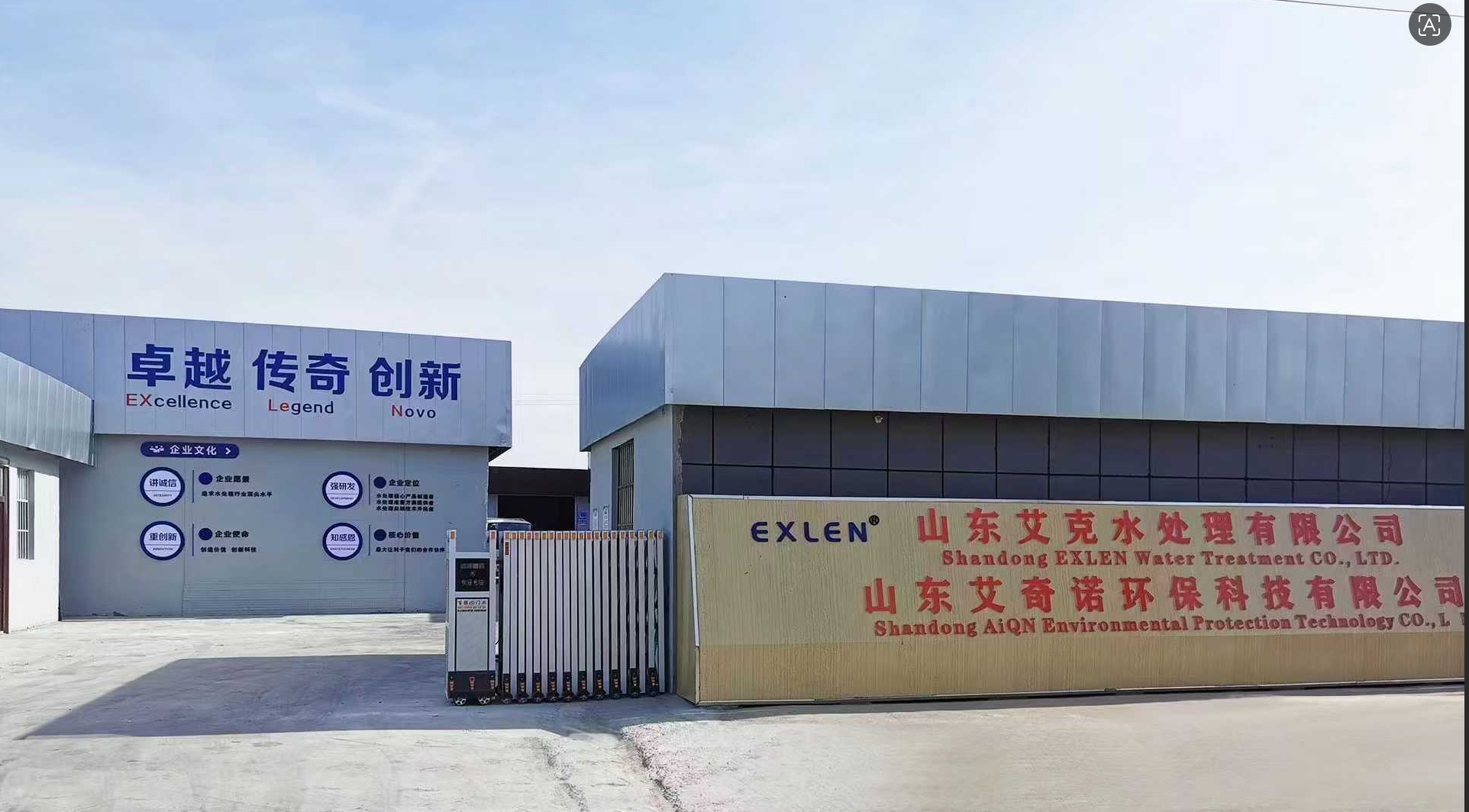

Leading Corrosion Inhibitors for Oilfield Reinjection Water: Top 10 Solutions
2026-07-11
Corrosion in oilfield reinjection water systems silently drains millions from operations every year—often going unnoticed until equipment fails. The right inhibitor can mean the difference between steady production and costly downtime, but with so many options, finding a truly effective solution is rarely straightforward. This guide cuts through the noise, spotlighting the top 10 inhibitors that excel in harsh reinjection environments. Among them, EVO’s advanced formulations stand out for their ability to tackle complex corrosion challenges that generic products miss. Dive in to see which solutions made the list—and why your current strategy might be leaving protection on the table.
The Hidden Costs of Unchecked Corrosion in Waterflood Systems
When corrosion eats away at waterflood infrastructure, the most obvious expense is the repair bill. But what often goes unnoticed is the cascade of operational disruptions that follow. A single leak can force an unplanned shutdown, delaying injection schedules and throwing reservoir pressure management off balance. These interruptions don’t just cost time—they chip away at the delicate equilibrium needed to maximize hydrocarbon recovery, leading to long-term production shortfalls that silently drain profitability.
Beyond the immediate mechanical failures, corrosion introduces a slow, insidious degradation of water quality. As pipes and vessels corrode, metal oxides and other particulates contaminate the injection stream. This polluted water clogs pore throats in the reservoir, reducing injectivity over time. Operators may respond by increasing pumping pressure, which in turn escalates energy consumption and accelerates further corrosion, creating a costly feedback loop. The hidden price here is a permanent loss in reservoir capacity that no amount of remedial work can fully recover.
Compliance and environmental risks add yet another stealth expense. A corroded system is prone to unexpected spills or injection well integrity failures, triggering regulatory fines and costly remediation. Even minor, chronic leaks can lead to groundwater contamination issues that damage a company's reputation and invite legal scrutiny. These indirect costs often surpass the original repair expenses, turning a manageable maintenance issue into a lasting financial and operational burden.
Decoding Inhibitor Mechanisms: How They Really Work
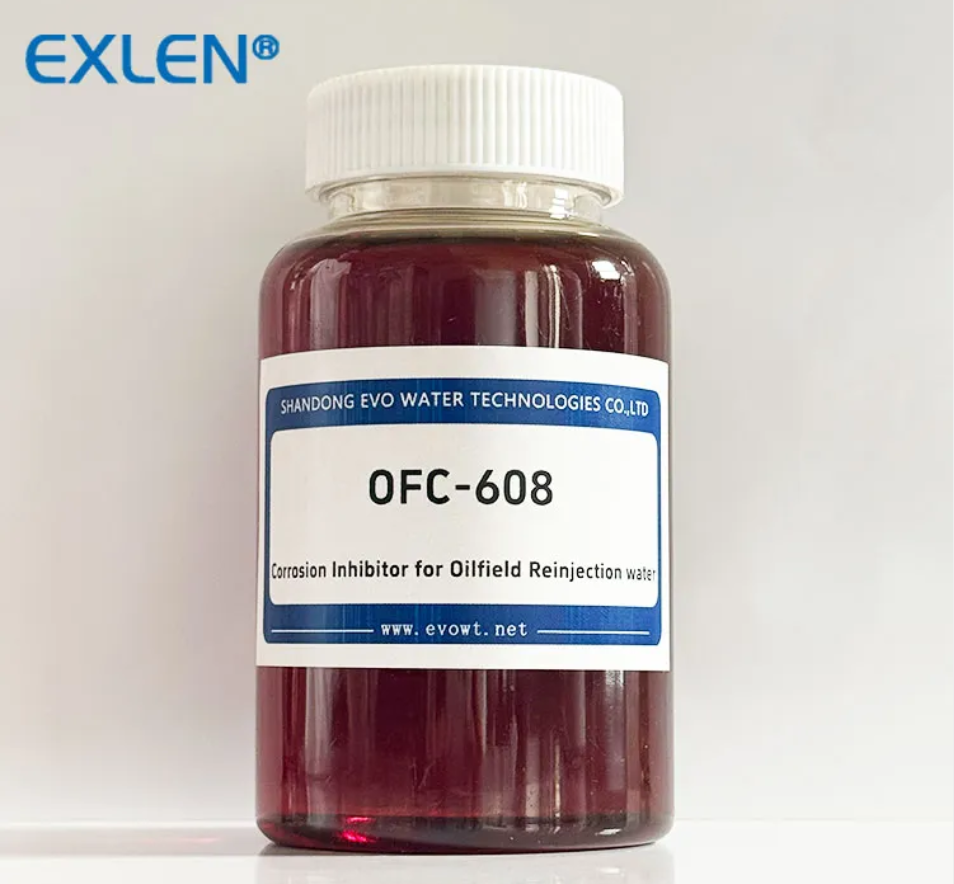
Inhibitors aren’t blunt tools that simply shut down enzymes. They’re more like impersonators or saboteurs, each with a unique strategy to disrupt a specific molecular function. Picture an enzyme as a lock that only a particular key—the substrate—can open. An inhibitor might wedge itself into that keyhole, blocking access, or it might latch onto a different part of the lock, distorting the mechanism so the key no longer fits. This subtlety is what makes inhibitors so versatile, allowing them to fine-tune biological processes rather than just flipping an on/off switch.
Competitive inhibitors are the classic decoys. They’re molecular mimics, shaped enough like the real substrate to slip into the active site, but they don’t trigger the enzyme’s action. By hogging that spot, they temporarily stop the genuine substrate from binding, and the effect is often reversible—adding more substrate can crowd them out. Non-competitive inhibitors, on the other hand, are more stealthy. They ignore the active site entirely and bind elsewhere, changing the enzyme’s overall shape so the active site can’t function properly, no matter how much substrate is around. It’s like jamming the gears instead of blocking the fuel line.
Then there are the irreversible inhibitors, the ones that form permanent bonds. They’re the heavy hitters, often used in drugs that need a lasting effect. Aspirin, for instance, permanently disables a specific enzyme involved in pain signals, and the body has to make new enzyme molecules to recover. This kind of mechanism isn’t about temporary interference; it’s a deliberate, long-term commitment at the molecular level. Understanding these distinct strategies reveals why inhibitors are so powerful—they don’t just stop reactions, they reshape how biological systems operate, offering precise control where it’s needed most.
Navigating the Jungle of Inhibitor Formulations
Inhibitor development often starts with high-throughput screens that yield promising chemical matter, but turning a hit into a workable drug candidate means wrestling with formulation long before the clinic is in sight. Each scaffold comes with its own solubility quirks, stability demons, and bioavailability puzzles. What dissolves beautifully in DMSO might crash out in a buffered saline solution within minutes. Even when a compound shows exquisite target engagement in a biochemical assay, its amorphous form can recrystallize unpredictably, turning a clear dosing solution into a cloudy mess that clogs intravenous lines. This is the reality researchers face daily: a delicate balancing act between chemical structure, excipient compatibility, and the physiological environment where the drug must perform.
The jungle thickens when you factor in the route of administration. Oral formulations demand an entirely different playbook than intravenous ones, with amorphous solid dispersions, lipid-based systems, and nanoformulations each having their own steep learning curves. A polymer that works wonders for one compound might induce nucleation in another, and spray-dried powders that look perfect under the microscope can collapse over time, losing both solubility and potency. Seasoned formulators learn to read the subtle signs—a slight haze after filtration, a shift in glass transition temperature, or an unexpected drop in dissolution rate—and adjust their approach before a promising candidate gets abandoned for the wrong reasons. It's a space where experience matters as much as theory, and where the best solutions often come from understanding why earlier ones failed.
When Off-the-Shelf Falls Short: Customizing for Tough Conditions
Ready-made solutions promise convenience, but they rarely survive where it matters most. Harsh vibrations, extreme temperatures, or corrosive atmospheres don't care about your product’s spec sheet—they expose every weak point. If a component wasn’t built with your exact environment in mind, it’s only a matter of time before it fails, often at the worst possible moment.
Customization isn’t about tweaking a few parameters—it’s a ground-up rethink. Materials that shrug off salt spray, seals that hold when pressure swings wildly, form factors that fit into spaces no catalog item ever could. We’ve learned that true resilience comes from sweating the details the mass market ignores, because in the field, there are no second chances.
When downtime isn’t an option, you stop looking for something close enough and start engineering exactly what the conditions demand. The process is messier, slower, and demands deep collaboration, but the result is a component that doesn’t just survive—it thrives. Off-the-shelf is a starting point; customization is how you finish the job.
From Lab to Field: Proving Inhibitor Effectiveness
Laboratory tests offer controlled environments where inhibitor performance can be fine-tuned and measured with precision. In these settings, factors like temperature, pressure, and chemical composition are tightly regulated, allowing researchers to isolate the inhibitor's impact on corrosion rates. This phase is critical for establishing a baseline of efficacy, but it rarely captures the unpredictable nature of real-world operations. Field conditions introduce fluctuating parameters that lab simulations can only approximate, meaning a smooth transition from beaker to pipeline requires more than just scaled-up data.
Moving outdoors, the true test of an inhibitor lies in its ability to withstand variable flow patterns, microbial activity, and material inconsistencies that no laboratory can fully replicate. Field trials stretch over months, tracking weight loss coupons, electrochemical readings, and visual inspections across multiple sites. The data gathered here doesn't just validate earlier findings—it exposes weak points that only emerge under operational stress. Successful field deployment hinges on adapting dosing strategies and product formulations until the inhibitor proves itself not just in theory, but in the harsh, inconsistent reality of the field.
Tomorrow’s Solutions: Smart Inhibitors and Sustainable Options
The next wave of corrosion management will not rely on brute-force chemical dosing but on intelligent molecular systems that respond only when needed. Imagine coatings laced with nanocapsules that rupture upon contact with moisture or pH shifts, releasing inhibitors precisely at the corroding site. These smart materials can lie dormant for years, awakening only when the underlying metal signals distress—minimizing waste and extending asset lifespan. By borrowing concepts from targeted drug delivery, engineers are designing inhibitor networks that self-regulate based on real-time electrochemical feedback, turning passive barriers into active guardians.
Sustainability pressures are also reshaping inhibitor chemistry, pushing the industry away from toxic heavy-metal compounds and toward bio-derived or biodegradable alternatives. Plant extracts, amino acids, and even microbial metabolites are being tested as effective, low-toxicity options for diverse environments. Meanwhile, researchers are marrying corrosion protection with other functions—such as antifouling or self-healing properties—to create multifunctional coatings that do more with less. These solutions align with circular economy principles, where protection comes from renewable sources and leaves no persistent environmental footprint.
Looking further ahead, the integration of digital twins and embedded sensors will close the loop between inhibitor performance and operational reality. Imagine structural components reporting their own corrosion rates via wireless microsensors, triggering inhibitor release only as corrosion initiates. This data-driven approach not only conserves inhibitors but also enables predictive maintenance schedules, slashing downtime and material usage. The future isn't just about smarter chemicals, but about an interconnected system where materials communicate, respond, and evolve throughout their service life.
FAQ
Reinjection water typically carries dissolved oxygen, carbon dioxide, and hydrogen sulfide, along with high salinity and bacteria. These elements work together to accelerate metal loss, especially in pipelines and downhole equipment. The combination creates an aggressive environment where both uniform and localized corrosion thrive, often catching operators off guard if not properly monitored.
They work by laying down a microscopic protective layer on metal surfaces, acting like a shield between the steel and the corrosive fluid. These compounds, often based on amines or imidazolines, adsorb strongly due to their polar head groups, while their hydrocarbon tails repel water and aggressive ions. This barrier reduces direct contact and slows down electrochemical reactions that cause rust and pitting.
Oxygen scavengers become critical when reinjection water is exposed to air, which happens frequently in open tanks or during transfer. Even small amounts of dissolved oxygen can override the effectiveness of standard inhibitors. By chemically removing oxygen, typically with sulfite-based compounds, you eliminate one of the primary drivers of corrosion, allowing the inhibitor to focus on other threats like CO₂ or H₂S.
Scale inhibitors prevent the deposition of mineral scales such as calcium carbonate or barium sulfate, which can create crevices and under-deposit corrosion. By keeping these solids dispersed and out of the system, they maintain clean surfaces where corrosion inhibitors can perform optimally. It's a synergistic approach: stop the scale, and you stop a hidden corrosion accelerator.
Environmental regulations and offshore discharge limits are tightening, pushing the industry toward greener chemistries. Biodegradable options, like certain modified polysaccharides or amino acid derivatives, offer effective protection without persistent toxicity. They break down naturally after use, reducing the ecological footprint, which is especially important when reinjection water eventually finds its way into the surrounding environment through seepage or spills.
Lab testing is the starting point: linear polarization resistance, weight loss coupons, and rotating cylinder electrode tests under simulated field conditions. From there, pilot trials in a side stream or small injection loop validate real-world performance. Key metrics include corrosion rate reduction, film persistency after inhibitor injection stops, and compatibility with other chemicals. Field data, like iron counts and coupon analysis, seal the decision.
It's not just about the chemical price per gallon. The true cost per barrel of treated water includes dosage rate, injection equipment, maintenance, and potential failure consequences. A cheaper inhibitor that requires higher dosages or fails intermittently can lead to unexpected shutdowns and repairs that far outweigh any upfront savings. The best solutions offer consistent, predictable performance at a dosage that fits the operating budget without compromising safety.
Conclusion
Unchecked corrosion in waterflood systems carries staggering hidden costs, from premature equipment failure and production downtime to escalating safety risks and environmental liabilities. These costs often dwarf the initial investment in prevention, making corrosion management not just a technical priority but a financial imperative. Understanding how inhibitors truly work is the first step toward effective mitigation—film-forming molecules adsorb onto metal surfaces, creating a protective barrier against corrosive species like CO₂, H₂S, and dissolved oxygen in injection water. However, navigating the jungle of commercially available formulations requires a clear-eyed assessment of water chemistry, temperature, pressure, and flow regimes. The most effective top 10 solutions for oilfield reinjection water are rarely one-size-fits-all products; they are tailored blends of imidazolines, phosphate esters, or polymeric inhibitors that have been rigorously screened and engineered to address the unique cocktail of corrosives found in a given field. Moving from lab to field is where theoretical performance meets reality—bench-scale testing must be complemented by side-stream and pilot trials that validate compatibility with other chemicals, thermal stability, and long-term persistency under dynamic conditions.
Off-the-shelf inhibitors frequently fall short when confronted with extreme salinities, high shear, or the presence of sulfate-reducing bacteria, necessitating bespoke formulations that combine multiple mechanisms, such as film reinforcement and scale inhibition. The top-performing solutions stand out through their ability to maintain protection even in the face of process upsets or varying water cuts. Tomorrow’s inhibitors are already taking shape in research labs: smart molecules capable of responding to changes in pH or electrochemical potential, self-healing films, and chemistry derived from renewable feedstocks that dramatically reduce ecotoxicity. These next-generation options aim to deliver not only superior corrosion control but also a lighter environmental footprint, aligning with the industry’s sustainability goals. The common thread among the leading solutions is a data-driven, problem-specific approach that integrates mechanistic understanding, customized formulation, exhaustive field validation, and a forward-looking eye on smarter, greener technologies. In waterflood operations where integrity is everything, the right inhibitor choice transforms from a commodity purchase to a strategic asset that safeguards production and extends the life of critical infrastructure.
Contact Us
Contact Person: Fiona Su
Email: [email protected]
Tel/WhatsApp: 8619963724144
Website: https://www.evo-chemical.com/