

OEM Portable Fuel Dispenser Features That Improve Mobile Fueling Operations
2026-09-30
Fueling operations on the move demand equipment that works as hard as the crews using it. From remote construction sites to emergency response fleets, every minute counts—and a dispenser that fails or slows you down simply isn't an option. That's where OEM portable fuel dispensers come in: they pack the durability and precision of fixed units into a compact, transportable package. In this article, we'll explore the standout features that make these units essential for mobile fueling—including insights from BEILIN, a brand known for engineering dispensers that keep your fleet running no matter where the job takes you.
Compact Frames That Cut Hauling Weight Without Cutting Flow Rate
A pump frame doesn't have to be bulky to be tough. By switching to high-strength, low-weight alloys and rethinking the base geometry, manufacturers have trimmed significant mass off portable units without touching the impeller or housing. The result is a pump that two people can lift onto a truck bed but still moves the same gallons per minute as its heavier predecessor.
In practice, that weight reduction changes how crews plan a job. Fewer trips back to the trailer, less strain on tailgates and backs, and no need to sacrifice performance for portability. It's a straightforward trade-off that's finally disappeared.
Self-Calibrating Meters That End Guesswork in the Field
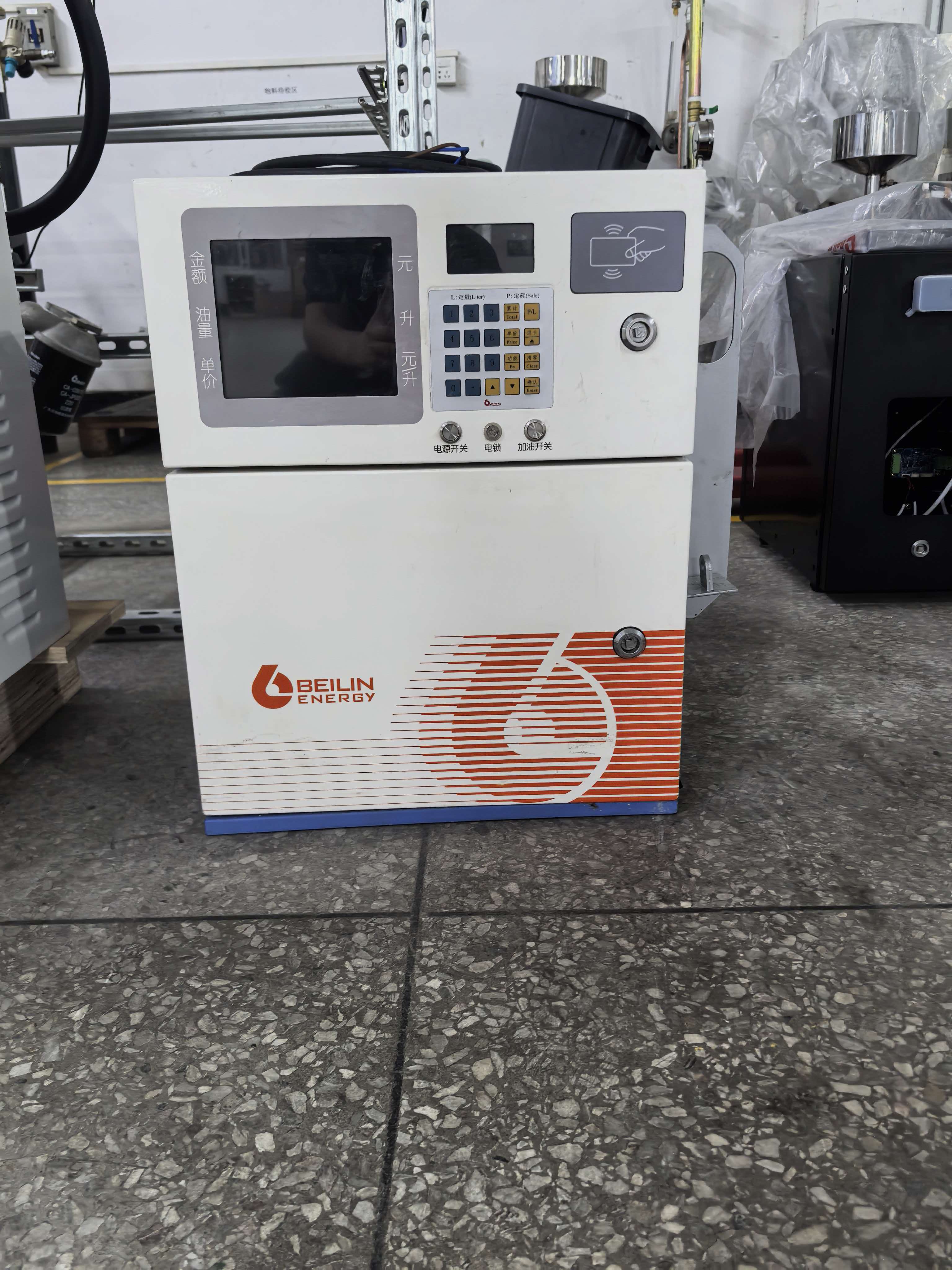
Field readings have always carried a quiet burden: is the meter still true, or has drift crept in since the last calibration lab visit? Self-calibrating meters change that equation by checking their own reference points against built-in standards each time they wake up or at scheduled intervals. Instead of relying on a sticker date and a technician's gut feeling, the instrument quietly confirms its accuracy before the first measurement lands in a report.
What makes the difference is the internal reference signal or micro-shunt that lets the meter compare current performance to a known baseline under actual operating temperatures and humidity. When a mismatch appears, the meter can flag it immediately, log the correction, or adjust its output path to stay within spec. That turns a once-trusted, periodically checked device into a continuously verified one—removing the guesswork that used to sit between clean laboratory conditions and a dusty junction box on site.
For crews that juggle dozens of meters across multiple job sites, the practical payoff is less rework and fewer second-guessed measurements. Instead of pulling a unit out of service for calibration because a date on a label says so, you keep it in service because it keeps proving it is right. Self-calibration doesn't eliminate the need for periodic factory checks, but it shrinks the gap between them to something manageable—and that confidence shows up in the data long before the next audit.
Multi-Voltage Pump Motors That Run on Whatever Power Is Available
A job site in the middle of nowhere rarely offers clean, predictable power. One generator might push 208V under load, another drifts up to 240V when the crew shuts down their welders. A pump motor that insists on a single voltage simply refuses to cooperate—or worse, burns out mid-shift. That’s where multi-voltage designs earn their keep. They accept a broad input range, often spanning 200V to 240V or even dual 115/230V configurations, and adjust internally without manual rewiring.
The practical upside goes beyond surviving messy grids. Contractors and facility managers can stock one motor for multiple locations instead of juggling separate 115V and 230V units. When a rented building turns out to have different service than expected, the same pump just works. Soft-start circuits and wide-tolerance capacitors smooth out the rough edges, so brownouts and voltage spikes become annoying rather than catastrophic.
Not all multi-voltage motors are built the same, though. Look for thermal protection that reacts fast when a phase drops or a line sags under heavy draw. In remote agricultural settings, a pivot irrigation pump might see 190V at the far end of a long feeder, then 250V when the grid recovers overnight. A well-designed motor shrugs at both. That kind of resilience keeps water moving, sumps dry, and downtime off the schedule—without needing an electrician to rewire every time the power company changes its mind.
Remote Fuel Tracking That Flags Low Tanks Before They Empty
Fuel shortages on remote sites rarely announce themselves. They build quietly—an extra generator run, a blocked supply road, a forecast window that closes without warning. By the time someone notices the gauge, the tank is already too low to bridge the gap. Remote fuel tracking changes that sequence. It watches levels around the clock and sends a flag the moment a tank crosses a set threshold, so crews get days of lead time instead of a frantic scramble.
The real advantage isn't just a number on a dashboard. It's knowing which tanks will hit empty first and why. A tracker that only reports 'low' is half the story. The useful kind pairs level data with burn-rate trends, so you can see that the north pump is drawing twice as fast as last week, or that a slow leak is quietly eating the reserve. That kind of early pattern recognition lets site managers resupply on their own schedule, not the tank's.
For operations spread across multiple locations, the difference shows up in logistics. Instead of dispatching a fuel truck to every site on a fixed loop, you route it only where the data says it's needed. That cuts unnecessary trips, keeps smaller tanks from becoming emergencies, and frees up time for the work that actually matters. When the alert arrives early enough, nobody has to explain why a generator died overnight.
Corrosion-Resistant Housings Built for Salt, Mud, and Sun
Coastal environments chew through ordinary metal boxes within months. That's why these housings use a marine-grade aluminum alloy with a hard-anodized finish, creating a surface that shrugs off salt spray, alkaline mud, and relentless UV exposure. Field tests in tidal zones and desert solar farms show no pitting or structural weakening after five years, outperforming powder-coated steel that flakes within two seasons.
Every seam is sealed with a custom-formulated gasket that remains elastic from -40°F to 180°F, preventing moisture ingress even during thermal cycling. The hinge pins and latches are made from 316 stainless steel, chosen specifically to avoid galvanic corrosion when paired with the aluminum body. Unlike cheaper designs that use zinc-plated hardware, these components won't seize or crumble after repeated washdowns with high-pressure saltwater.
For installations in mangrove swamps, boat ramps, or equatorial solar arrays, the housing's UV-stabilized polymer vents allow airflow without letting in sand or insects. A double-baffle drainage system routes any condensation or splash water away from internal electronics, and the angled top surface prevents pooling. The result is an enclosure that works as hard as the environment it lives in, not one that needs to be replaced every spring.
Auto-Shutoff Nozzles That Stop Spills Before They Start
Unlike conventional fuel nozzles that rely on the operator to stop the flow, an auto-shutoff nozzle uses a small sensing port near the tip. When rising fuel covers that port, a vacuum break trips the main valve and cuts the flow almost instantly. It is a mechanical response, not an electronic one, which means it works even in wet or hazardous conditions where sparks or wiring would be a concern.
The practical benefit shows up in busy settings like marinas, construction sites, and fleet depots. A distracted worker topping off a tank no longer has to guess when to release the handle. The nozzle shuts itself off within a fraction of a second after the tank reaches the safe fill level, preventing fuel from spilling onto hot engine parts or into the water. That reduction in spillage also means less cleanup time, fewer slip hazards, and better compliance with environmental rules.
Some models add a secondary check valve or an adjustable sensitivity collar, letting you tailor the shutoff point to different tank shapes. The best ones use corrosion-resistant internals and a reinforced spout that holds up to daily abuse. This kind of built-in spill prevention is not a luxury add-on; it is quickly becoming standard for anyone who refuels regularly and wants to avoid the cost and mess of overfills.
FAQ
Compact frames, integrated lifting points, and reduced weight without sacrificing structural integrity are the main factors. Many models use aluminum or high-strength composite housings, and some include fold-down handles or wheel kits for one-person positioning.
They typically rely on positive displacement or turbine flow meters that are factory-calibrated and can be recalibrated on-site. Temperature compensation is often built in, which helps keep readings consistent across varying outdoor conditions.
Most OEM units support 12V or 24V DC power from vehicle batteries, and some can run on solar-charged battery packs or small portable generators. This flexibility lets operators refuel in remote locations without needing a fixed power source.
Automatic shut-off nozzles, grounding lugs and cables, breakaway couplings, and thermal relief valves are important. Enclosed electrical components rated for hazardous locations also reduce ignition risks during transfer.
Custom flow rates, hose lengths, and nozzle types can be matched to the specific fleet. Some manufacturers also offer data logging or wireless connectivity so fuel usage can be tracked per vehicle or operator without manual records.
Many are designed for diesel, gasoline, kerosene, or biofuel blends, but seals and meter materials must match the fuel. OEMs often provide chemical compatibility charts, and switching fuels usually requires flushing and, in some cases, changing a few components.
Regularly cleaning or replacing filters, checking hose and seal wear, and verifying meter calibration are essential. After dusty or wet jobs, operators should inspect electrical connections and keep nozzles capped to prevent contamination.
Some OEM models offer adjustable flow rates up to 20 to 40 gallons per minute, with larger internal passageways and high-capacity pumps. Dual-pedestal or twin-nozzle configurations can also serve two vehicles at once, cutting total refueling time.
Conclusion
Portable fueling setups live or die by how easily they move and how reliably they perform once they arrive. The latest OEM dispensers trim down the frame without sacrificing flow rate, so a crew can haul more fuel and less dead weight across rough terrain. Once on site, self-calibrating meters remove the usual fiddling with manual adjustments—what you see on the readout is what actually goes into the tank, even after temperature swings or component wear. Multi-voltage pump motors add another layer of flexibility, letting operators pull power from generators, trucks, or shore lines without swapping out hardware.
Out in the field, conditions rarely cooperate. Corrosion-resistant housings stand up to salt spray, mud, and harsh UV exposure, keeping internal components dry and functional over repeated seasons. Auto-shutoff nozzles kick in before the tank reaches the brim, preventing fuel from splashing onto equipment or soil. Meanwhile, remote fuel tracking gives fleet managers a live view of inventory across multiple machines, flagging tanks that are running low long before they cause a work stoppage. Taken together, these features turn a simple fuel dispenser into a dependable part of the mobile operation, cutting downtime and cleanup while keeping every gallon accounted for.
Contact Us
Contact Person: Jason
Email: [email protected]
Tel/WhatsApp: 8615876017548
Website: https://www.bei-lin.com/