

Original Ice Machine Manufacturer: A Complete Guide to Reliable Ice Production
2026-05-23
Behind every crystal-clear ice cube and uninterrupted cooling system lies a critical choice: your ice machine manufacturer. With countless options flooding the market, how do you ensure consistent, energy-efficient ice production without unexpected breakdowns? The answer often starts with an original equipment manufacturer (OEM) that prioritizes quality engineering over shortcuts. In this guide, we delve into what makes a dependable ice machine—and why Worldbase stands out as a partner committed to reliable, long-term performance. Whether you're outfitting a busy restaurant or a large-scale fishery, the principles covered here will help you make an informed decision that keeps your ice flowing.
The Art of Building Ice Machines That Last
Longevity in an ice machine starts long before the first batch freezes. It’s in the quiet decisions: stainless steel evaporators over coated ones, copper lines that resist pitting, frames welded rather than bolted. Each mineral deposit that daily use leaves behind threatens efficiency, so the geometry of water distribution trays is shaped to shed scale, not collect it. Even the plastic curtains that separate ice from storage get a second look—thickness here means fewer replacements over a decade. These aren’t headline features, but together they turn a unit from something you replace into something you rarely think about.
The real secret sits in the compressor compartment. Choosing a slow-turning, low-friction scroll compressor adds cost but halves the wear per cycle. Pair that with a condenser coil sized for the worst-case ambient temperature, and the system runs cool even when the back of house doesn’t. Electronic controls then tie it together, watching for subtle shifts in suction pressure or freeze time that hint at a dirty filter before it clogs entirely. A well-built machine communicates its own health, inviting a quick clean instead of a service call.
Why Manufacturing Precision Determines Ice Output
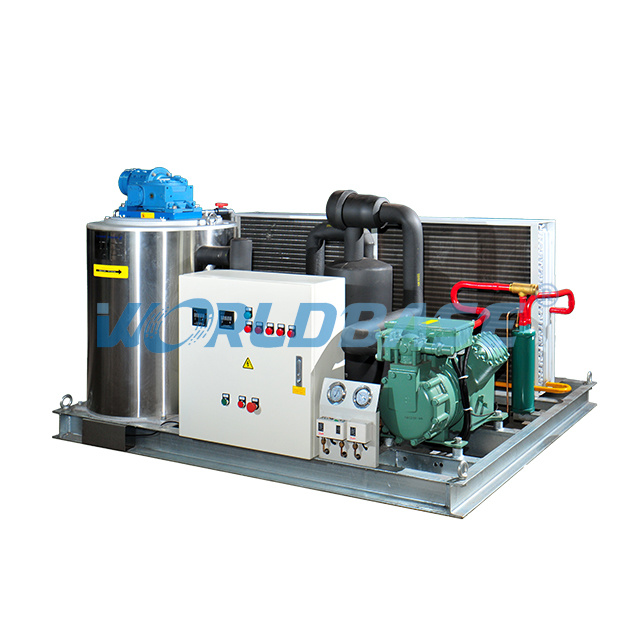
The relationship between manufacturing precision and ice production is often underestimated. Even minor deviations in component dimensions can disrupt the delicate thermal balance required for consistent freezing. For example, if the evaporator plate isn’t machined to exact specifications, the water film may not spread evenly, leading to uneven ice thickness and longer cycle times. Over time, these small inefficiencies compound, dragging down overall output well below the machine’s rated capacity.
Tight tolerances in moving parts like augers, bearings, and seals directly affect reliability. A slightly off-center auger can scrape ice unevenly or cause premature wear, forcing the machine into more frequent defrost or maintenance cycles. Each interruption doesn’t just halt production momentarily—it disrupts the steady-state temperature that efficient freezing depends on. The result is a machine that works harder yet yields less, consuming extra energy while delivering inconsistent results.
Beyond individual components, assembly accuracy shapes how heat flows through the system. Misaligned refrigeration lines or poorly seated gaskets create thermal leaks that force the compressor to run longer to achieve the same phase change. This not only slows ice release but can also introduce moisture or frost in unintended areas, further degrading performance. In high-demand settings, these precision issues snowball into significant output losses, making build quality the silent determinant of whether a machine meets its promise or falls short.
Key Indicators of a Reliable Ice Maker
A trustworthy ice maker goes beyond just freezing water. It combines speed, consistency, and build quality. Look for a unit that can produce a full batch of ice in under ten minutes, with options for different cube sizes. The material of the internal parts matters—stainless steel components hold up over time and don’t leave a metallic taste in your ice.
Noise level is another detail that separates a solid machine from a nuisance. A quiet compressor and well-insulated design keep the hum to a minimum, so it won’t dominate your kitchen or break room. Also, check if the model has a self-cleaning function or easily removable parts. Hard-to-reach corners can quickly breed mold if you’re not careful.
Capacity and water recycling are equally important. A larger ice basket means fewer trips to refill, and a smart recirculation system repurposes melted ice, cutting down on both water waste and the need to constantly top off the reservoir. These practical touches make daily use smoother and keep the ice flowing without extra effort.
Keeping Your Ice Machine Running Smoothly With Less Effort
Nobody wants to wrestle with a finicky ice machine, especially when the goal is a steady supply of cubes. But keeping it humming along doesn’t have to be a chore if you focus on a few simple habits. Start with the obvious but often overlooked step: give the bin a quick wipe-down between cycles. A damp cloth is usually enough to prevent sticky residue from building up on the surfaces where ice lands. Once that residue hardens, it’s a magnet for off-flavors and can even slow down production.
Beyond the bin, pay attention to the little things that quietly keep everything moving. Check the water filter every couple of months and swap it out before it clogs—waiting too long just makes the machine work harder and burns through electricity. The same goes for the condenser coils: a gentle brush or vacuum pass once a season keeps them dust-free, which helps the unit cool efficiently without constantly cycling on and off. These small up-front efforts mean fewer emergencies and less scrambling later.
If your machine has automated cleaning or reminder features, lean into them without guilt. Setting a recurring calendar alert for a thorough clean every four to six weeks also does the trick. Use a manufacturer-approved cleaner instead of harsh chemicals, run the cycle, and rinse well. A machine that’s cared for this way not only lasts longer but churns out crystal-clear ice with barely a thought from you—and that’s exactly the kind of reliability we all want in the background of a busy kitchen.
Innovations That Reduce Energy Consumption
Modern buildings are increasingly leveraging smart glass technology to dynamically control heat and light transmission. By automatically tinting in response to sunlight intensity, these windows slash the need for air conditioning during peak hours, while allowing natural warmth when it’s cold outside. This responsive material innovation marries comfort with substantial energy savings, turning entire facades into active energy management tools without complicating the user experience.
AI-driven energy management systems now orchestrate consumption across entire commercial districts in real time. Instead of following fixed schedules, they learn occupancy patterns, weather forecasts, and grid pricing to optimize heating, cooling, and lighting with pinpoint precision. One breakthrough involves predictive algorithms that pre-cool buildings during off-peak solar hours, storing thermal comfort for later—cutting peak load by double digits while occupants barely notice the shift.
Industrial processes are being reimagined through ultrasonic and microwave-assisted manufacturing that slashes energy use at the molecular level. Rather than heating entire batches, these methods target only the reaction sites, enabling chemical transformations at far lower temperatures and in a fraction of the time. A ceramic tile factory adopting microwave drying, for example, cut its thermal energy demand by 40% while speeding up production—proof that cleaner production can also be leaner and more profitable.
Matching Ice Machine Attributes to Venue Requirements
Finding the right ice machine for a venue goes beyond simply picking a model that fits the budget—it demands a careful evaluation of how the machine’s characteristics align with the operational rhythm of the space. Start by assessing the venue’s peak demand periods. A busy bar during happy hour might see a surge of cocktail orders requiring specific ice shapes like large cubes for slow dilution or nugget ice for blended drinks, while a healthcare facility may prioritize hygienic, chewable flake ice for patient care. The ice type dictates not only the machine’s internal mechanism but also how it integrates with storage and dispensing systems. Overlooking this can lead to embarrassing shortages or, conversely, excessive energy waste from overproduction.
Space constraints and ambient conditions also heavily influence the decision. A compact undercounter unit might thrive in a small coffee shop with moderate air conditioning, but that same machine could struggle in a sweltering kitchen near a pizza oven, where heat and grease reduce efficiency and shorten lifespan. Ventilation clearances, water quality, and even the noise level become factors—an ice maker humming too loudly can disrupt the atmosphere of a fine-dining room or a hotel lobby bar. It’s these less glamorous, practical details that separate a seamless operation from a logistical headache.
Lastly, think long-term about maintenance and scalability. A machine that’s overly complex to clean or requires proprietary parts can become a recurring expense trap, especially in venues with high turnover among staff. Instead, choose models that balance accessible filtration systems with smart monitoring features, allowing staff to track production remotely and anticipate issues before they shut down service. As the venue’s needs evolve—perhaps expanding outdoor seating in summer or adding a catering arm—the ice machine should have enough flexibility to adapt without demanding a complete overhaul. Matching attributes to requirements is less about a checklist and more about predicting how the machine will live within the daily pulse of the venue.
FAQ
Focus on build quality, the materials used, and how long they've been in business. A manufacturer with a solid track record usually means fewer breakdowns and better support.
An original manufacturer designs and builds the machines in-house, so they have direct control over quality and parts. Rebranded suppliers often just slap their name on someone else's equipment, which can lead to compatibility issues later.
The main types are cube, flake, nugget, and crescent. Cubes are versatile and popular for drinks, flake ice is perfect for displays and healthcare, while nugget ice is soft and chewable—great for restaurants and convenience stores.
When ice production stops, it can bring your entire operation to a halt. Restaurants can't serve cold drinks, seafood might spoil, and hotels lose guest satisfaction. Reliability isn't a luxury; it's the backbone of daily operations.
Look for ENERGY STAR ratings and check the kilowatt-hour consumption per 100 pounds of ice. Also, models with features like harvest-assist technologies and insulated storage bins tend to use less electricity.
Regular cleaning of the water system, air filters, and condenser coils is essential. You should also sanitize the bin and check for mineral buildup monthly. Neglecting maintenance invites mold, odd tastes, and expensive repairs.
Yes, many do. If you need a unique ice shape, higher capacity, or special finish, an original manufacturer can often tailor the design. This flexibility ensures the equipment fits your space and output requirements perfectly.
Conclusion
Behind every dependable ice machine lies a philosophy of deliberate craftsmanship, where longevity isn’t an afterthought but the guiding principle from the first sketch. Original manufacturers treat each unit as a long-term investment for the venues they serve, integrating robust materials and thoughtful engineering that resist wear even under constant demand. Precision in manufacturing directly shapes daily output: tight tolerances in compressor calibration, consistent mold geometry, and exact water flow control ensure that every cube freezes uniformly and drops reliably. This obsession with detail turns a cold box of components into a synchronized system where output is predictable and downtime is rare. Spotting a truly reliable ice maker means looking past marketing claims and evaluating real indicators—consistent ice thickness, steady recovery rates, and quiet operation under fluctuating ambient conditions. These qualities don’t emerge by chance; they’re the result of a production culture that rejects shortcuts and treats quality as measurable, not aspirational.
Ease of maintenance is built in, not bolted on, with designs that simplify access to filters, evaporators, and sensors so that routine care takes minutes, not hours. The latest innovations channel that same practicality toward energy efficiency, using variable-speed compressors, smarter insulation, and adaptive defrost cycles that slash power consumption without sacrificing performance. Matching the machine to the venue is the final piece: a busy bar needs rapid, hard nugget ice that chills drinks quickly, while a healthcare facility demands slower-melting cubes and sanitary dispensing. Original manufacturers don’t just list specifications—they understand the rhythm of your space, guiding you toward a configuration that balances peak-hour demand with quiet, mid-afternoon lulls. In the end, reliable ice production isn’t about a single breakthrough; it’s about a manufacturer’s commitment to seamless integration of durability, precision, and real-world usability, so you never have to think about ice until you need it.
Contact Us
Contact Person: Mr Yang
Email: [email protected]
Tel/WhatsApp: +8613809083091
Website: https://en.worldbase.cn