

Semiconductor Air Compressor Solutions to Slash Operational Costs
2026-07-18
In semiconductor manufacturing, compressed air is a lifeline—but it’s also a silent budget drain. Even minor inefficiencies can quietly inflate operational costs, eating into margins without anyone noticing. At a recent wafer fab audit, a facility manager was stunned to find that a single overlooked compressor parameter was costing them an extra $18,000 per month. The fix? A smarter approach that leading fabs are now leveraging: advanced air compressor solutions tailored for semiconductor environments. These aren’t just incremental upgrades—they’re designed to slash energy use, reduce downtime, and adapt to ultra-cleanroom demands. One name emerging in this space is Seize Air, with technology that challenges conventional designs. What exactly makes these solutions different, and how much could they save your facility? Let’s unpack the engineering behind the savings.
Uncovering Hidden Savings in Your Fab's Air System
Your fab's compressed air and HVAC systems can account for a surprisingly large slice of the energy budget — often 15 to 20 percent. Yet many facilities overlook low-hanging fruit like small leaks, over-pressurization, and wasteful usage patterns simply because the costs are buried in the utility bill rather than tracked to specific equipment. A walk-through audit with an ultrasonic leak detector or a temporary data-logging campaign will almost always reveal savings opportunities that have been quietly draining profits for years.
Start by mapping actual demand: install temporary flow meters and power loggers at key points, then compare the baseline against production schedules. Weekends and night shifts often expose a flat load that shouldn't exist, pointing to leaks, idle equipment left running, or compressed air used for inappropriate tasks like cooling or blow-off. Adjusting header pressure by even a few psi can cut compressor energy by a noticeable margin, especially if multiple compressors stage improperly.
Once the fixes are in place — repairing leaks, using air knives instead of open pipes, and right-sizing compressor controls — the gains are immediate and measurable. But the real win comes from making system monitoring routine: setting key performance indicators like specific power (kW per cfm) and setting alerts for deviations ensures that savings stick and new waste gets flagged before it becomes another hidden cost. A proactive approach transforms the air system from a silent drain into a managed asset.
Beyond Energy Ratings: The Real Cost Killers
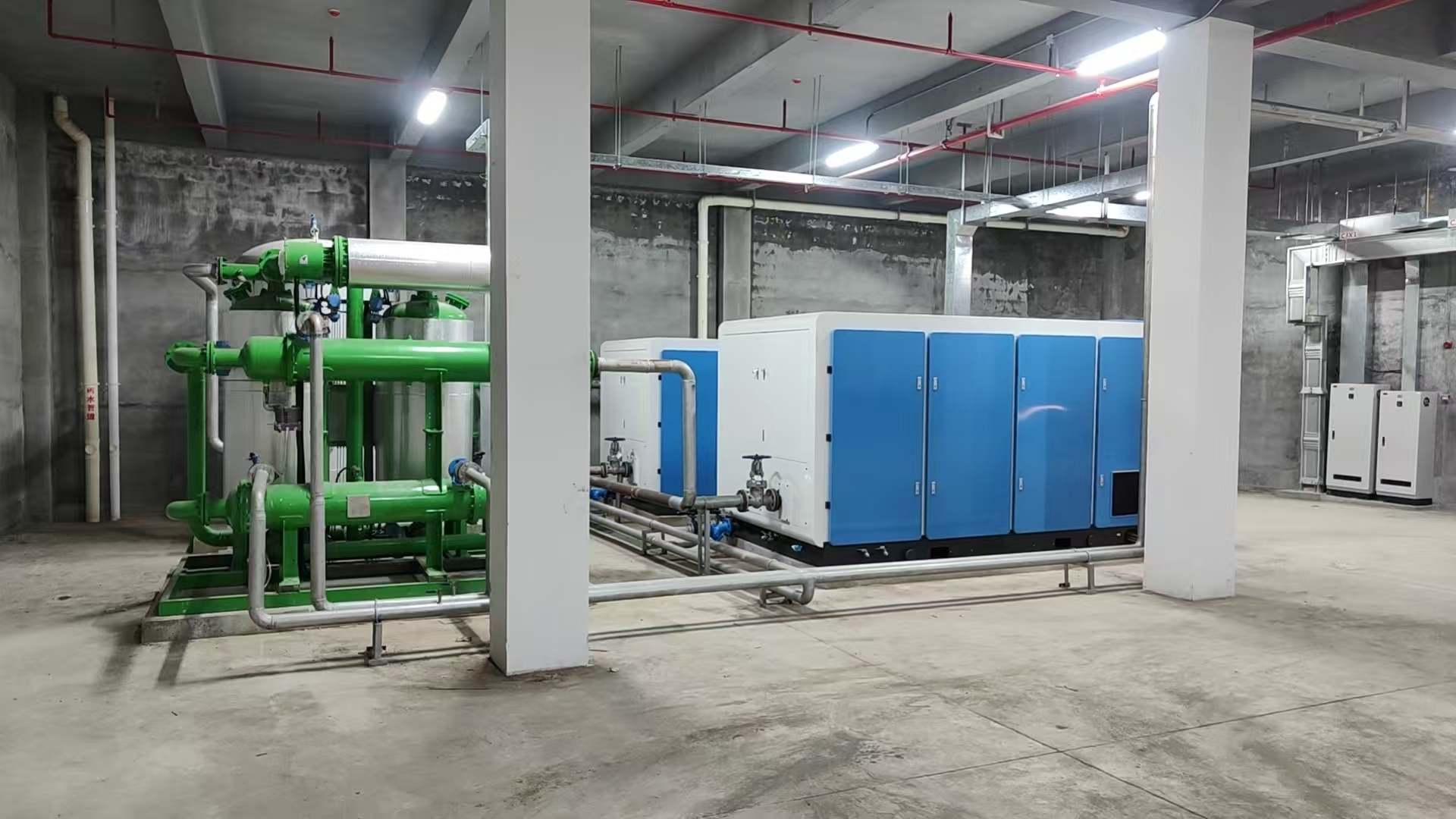
Energy efficiency labels give a snapshot of potential consumption, but they rarely tell the full story. A freezer with an A++ rating might still drain your wallet if the door seals are worn or the thermostat is faulty. Hidden mechanical issues, poor maintenance, and outdated components often outweigh the savings promised by the label. The real cost killers are the things you don't see at first glance—like a compressor that runs non-stop because of a refrigerant leak or a defrost cycle that kicks in too often.
Usage habits and environment play an equally devastating role in your electricity bill. Placing a chest freezer in a hot garage or next to a sun-drenched window forces the motor to work overtime, regardless of its star rating. Repeatedly leaving the lid open while you rummage through frozen goods lets cold air escape, causing temperature spikes that trigger longer cooling cycles. These everyday oversights gradually eat away at any theoretical efficiency you initially paid for.
Then there's the phantom load—the slow, silent drain that never stops. Older models, in particular, keep control boards and anti-sweat heaters active even when the unit isn't actively cooling. Combined with frost buildup that acts as insulation on the evaporator coils, this hidden consumption can add up to hundreds of wasted kilowatt-hours per year. The label might promise low consumption, but reality only cares about the condition of your specific appliance and how you actually use it.
Precision Pressure for Flawless Wafer Yield
Achieving flawless wafer yield demands absolute control over pressure at every critical stage of semiconductor manufacturing. From lithography to deposition and etching, even the slightest pressure fluctuation can introduce defects that compromise entire batches. By maintaining ultra-stable pressure environments, fabs can minimize particle contamination, ensure uniform layer thickness, and keep overlay errors at the nanometer level. This relentless focus on precision pressure management directly translates into higher die-per-wafer counts and a healthier bottom line.
Modern tools integrate adaptive pressure control systems that react in real time to chamber dynamics. These systems compensate for gas flow variations, exhaust imbalances, and temperature-induced pressure shifts without manual intervention. The result is a process window so tightly controlled that edge effects and center-to-edge non-uniformity become relics of the past. Engineers can then push design rules further, knowing the pressure foundation holds steady across thousands of wafers.
Beyond the hardware, smart pressure strategies now incorporate predictive analytics to forestall excursions before they impact yield. By correlating pressure trends with metrology data, fabs catch drifts early and schedule maintenance proactively—avoiding unscheduled downtime and scrap. In an industry where nanometer defects can kill a chip, treating pressure not as a simple setpoint but as a dynamic, precision variable is what separates market leaders from the rest.
Making Compressor Maintenance a Profit Center
When was the last time you thought of your air compressor not as a necessary cost, but as a strategic asset that could actively grow your bottom line? By reimagining routine upkeep through a commercial lens, even basic maintenance can uncover hidden revenue streams. Simple actions like optimizing duty cycles, reducing energy waste, and extending equipment life can transform a once-overlooked budget line into a reliable contributor to margins.
Consider the ripple effect of predictive servicing: catching minor issues before they balloon into failures avoids unplanned downtime that silently erodes output. Every hour of avoided disruption keeps production humming and customers satisfied, which directly safeguards repeat business. Pair this with data-driven performance tracking, and you have a system where efficiency gains translate into measurable profit, quarter after quarter.
Shifting mindset is the true catalyst. Train your team to view each maintenance check as an opportunity to audit energy consumption, eliminate leaks, and recalibrate for peak output. When compressed air systems run at their peak, the savings on electricity alone can be reinvested in growth initiatives. This approach doesn’t just reduce costs—it creates a self-funding cycle where reliability becomes your competitive edge.
Intelligent Air, Leaner Operations, Fatter Margins
A truly intelligent air system does more than circulate oxygen—it watches, learns, and adapts. Embedded sensors track everything from particulate density to temperature drift across every square foot of your facility. The data feeds into a real-time optimization engine that fine-tunes fan speeds, damper positions, and filtration cycles continuously. The result isn’t just cleaner air; it’s a system that trims energy waste by 25% or more without anyone touching a thermostat. That kind of precision turns overhead into a profit lever.
Lean operations depend on predictability, and smart air infrastructure delivers exactly that. Instead of reactive maintenance after a motor burns out, you get early warnings—vibration spikes, pressure anomalies, filter loading curves—that let you schedule service during planned downtime. Spare parts inventory shrinks because you’re not guarding against the unknown. Staff aren’t patrolling hallways with clipboards; their expertise shifts to higher-value work. Across sectors from food processing to pharmaceutical manufacturing, that shift alone often saves 40% on labor hours tied to environmental monitoring.
Fatter margins show up in places most companies don’t look. Consistent indoor conditions reduce material spoilage, extend equipment lifespan, and boost occupancy satisfaction in commercial spaces. One cold storage operator using a neural-network airflow model cut compressor run time by 18% while holding temperatures steadier than before. Clients notice the reliability and come back with longer contracts. It’s a quiet, compound effect: better air management reshapes the cost structure from the inside out, leaving more profit on the table every quarter.
The Unseen Profit Driver Inside Your Cleanroom
Most managers track yield, throughput, and downtime like hawks. But there’s a quieter metric—one that never shows up on a dashboard—quietly bleeding or boosting margins every single shift. It’s the cumulative impact of micro‑decisions made at gowning benches, the subtle overcompensation in HVAC cycles, and the tiny pressure differentials nobody notices until a batch fails. When operators breeze through protocol because “it’s just this once,” they unknowingly trade a few saved seconds for contamination risks that cascade into rework, investigation hours, and delayed shipments. The real profit driver isn’t a new shiny tool—it’s the discipline ingrained in every motion inside those four walls.
Think about the energy bill. A cleanroom gulps power like a small factory, but the hidden waste often sits in overcautious settings: fan speeds locked at maximum because someone once feared a spec slip, or recirculation dampers manually tweaked years ago and never revisited. Optimizing airflow patterns to match actual particle shedding rates—not theoretical worst cases—can slash six figures from annual costs without touching the sterile envelope. Even better, when maintenance teams shift from reactive fixes to data‑driven filter checks, they catch pressure drop trends before they sock you with a cascading compressor failure. These aren’t glamorous upgrades, but they compound faster than any price negotiation with a supplier ever will.
FAQ
In semiconductor fabs, even microscopic contamination can ruin entire wafer batches. Compressed air powers pneumatic controls, operates valves, and provides ultra-clean instrument air. Its reliability and purity directly affect yield rates and costly downtime.
Maintenance overhead, unplanned downtime, and energy waste add up fast. Many older units run at fixed speeds regardless of demand, leading to significant electricity waste. Leak-prone piping and insufficient air treatment also force more frequent filter replacements and expose processes to moisture or oil carryover.
VSD technology matches output to actual air demand, cutting energy consumption by up to 35%. For a typical 300mm fab, that can translate to six-figure annual savings and a noticeably lower carbon footprint with the same footprint.
Nearly all the electrical energy feeding a compressor becomes heat. Capturing that thermal energy for facility heating, preheating boiler feedwater, or supporting cleanroom humidity control turns a waste product into a meaningful energy offset.
Real-time performance data lets maintenance teams spot degradation before it triggers an alarm. Predictive alerts on vibration, temperature, or pressure dew point shift the model from reactive fixes to planned interventions, minimizing production disruptions.
Modern dryers and filtration with lower pressure drop allow the system to run at a reduced setpoint. Every 1 psi reduction saves roughly 7% in input power. Combined with modular, service-friendly designs, these upgrades lower first-cost and lengthen service intervals.
A compressed air audit using temporary instrumentation reveals the real load profile, leak rates, and pressure gradients. Often, simply fixing long-standing leaks and resequencing compressor staging delivers a payback measured in months, not years.
Conclusion
The most significant operational savings in semiconductor fabrication often go unnoticed, buried deep within the compressed air infrastructure that powers everything from pneumatic controls to wafer handling. Traditional energy ratings only scratch the surface; the real cost killers are oscillation-driven leakage, pressure drops during peak demands, and the slow degradation of system components that quietly drain efficiency and budgets. By uncovering these hidden inefficiencies—like improperly sized piping or overlooked filter loading—fabs can realize double-digit reductions in energy consumption without major capital outlay. At the same time, maintaining pinpoint pressure stability is not just an engineering nicety; it directly correlates with flawless wafer yield, where even minor fluctuations can cause micro-contamination or photolithography errors, translating into scrapped batches and missed revenue targets.
Transforming compressor maintenance from a reactive expense into a profit center reshapes the financial equation entirely. Instead of fighting breakdowns, fabs can adopt predictive analytics that turn service intervals into uptime drivers, ensuring that every maintenance hour contributes to overall equipment effectiveness. Pairing intelligent controls with real-time monitoring creates an air system that learns from process demands, trimming waste and adapting supply without human intervention. This lean approach doesn't just cut costs—it fattens margins by aligning air delivery precisely with production rhythms. Deep inside the cleanroom, the air compressor quietly becomes one of the most potent profit drivers: reducing scrap, extending tool life, and slashing unplanned downtime, all while supporting higher throughput with fewer resources.
Contact Us
Contact Person: Mia
Email: [email protected]
Tel/WhatsApp: +86 19821985894
Website: https://www.seize-air.com