

Silicone Sports Bottles Manufacturer Guide to Choosing a Partner You Can Trust
2026-10-28
Choosing a silicone sports bottle manufacturer can feel like a gamble—one wrong move and you're stuck with leaks, peeling logos, or late shipments. That's why this guide exists: to help you cut through the noise and partner with a supplier who actually delivers. At the heart of this search is Qunhao, a name quietly earning trust among brands that refuse to compromise. But before we dive into checklists and red flags, let's unpack why most 'trustworthy' claims fall apart—and what you should really look for.
What 'Food-Grade Silicone' Really Means When the Factory Lights Go Out
The label on a silicone spatula says 'food-grade,' but that phrase doesn't just describe the raw material. It's a chain of documentation: batch tests, cure times, post-cure volatile checks. When the factory lights go out, those records sit in a drawer. The silicone itself doesn't change, but the guarantee does. Nobody is there to confirm that the last mixing ratio stayed within tolerance or that the oven temperature didn't drift after the afternoon shift ended.
That's the uncomfortable truth about food-grade silicone. It's not a permanent property like density or color. It's a snapshot of compliance at a specific moment, under specific supervision. Once the equipment cools and the workers go home, the remaining inventory is only as trustworthy as the systems that produced it. If those systems were never audited beyond a paper certificate, then 'food-grade' becomes a word printed on a box rather than a promise about what's inside.
So when you hear that a factory has shut down, don't assume the leftover stock is automatically safe. Ask who held the certificate, when the last third-party test occurred, and whether anyone can still stand behind the cure schedule. If the answer is silence, then the factory lights aren't the only thing that went dark.
The Mold Fee Question That Separates Actual Manufacturers from Middlemen
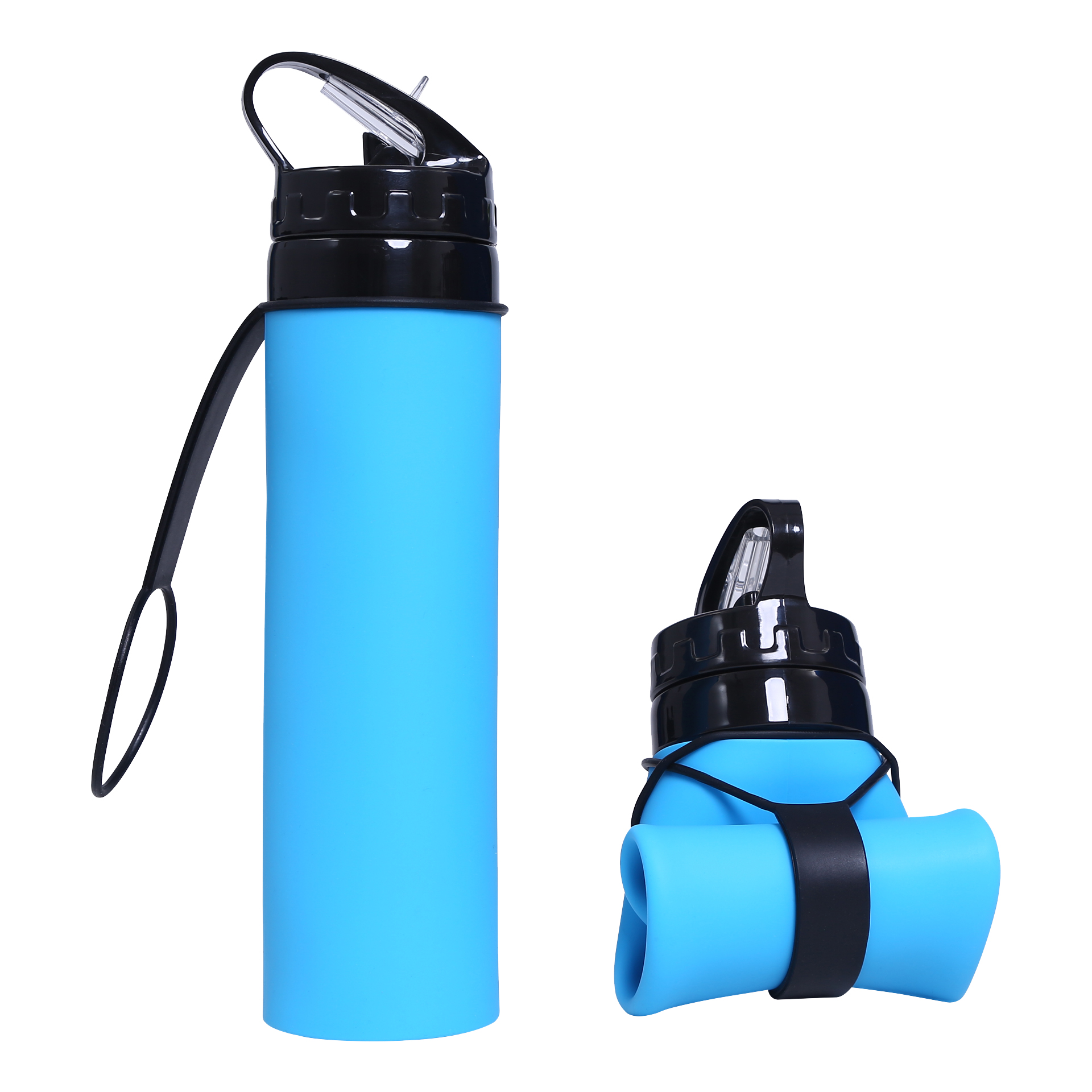
When you ask a supplier about the mold fee, pay close attention to how quickly they quote a number and what that number actually covers. A real manufacturer already owns or regularly builds molds for their own production runs, so they can often spread that cost across many clients or offer a reduced fee because the mold becomes a long-term asset in their workshop. A middleman, on the other hand, typically has no in-house tooling capability—they simply pass along the tooling shop's invoice plus their markup, sometimes without even seeing the mold before it ships.
Another telltale sign is the level of detail in the mold fee breakdown. Actual manufacturers will usually itemize things like steel grade, cavity count, expected shot life, and maintenance costs without hesitation. They know these parameters because they have dealt with the same moldmakers for years and understand how design choices affect part quality and cycle time. Middlemen tend to keep the mold fee vague, often quoting a single lump sum and avoiding any discussion of whether the mold can be modified later or who legally owns it after the first batch.
The real distinction becomes obvious when you ask about revisions. A manufacturer with internal mold expertise can often adjust the tool in their own facility within days, while a middleman has to courier the mold back to an external shop, wait for a requote, and then pass along the delay to you. That extra layer of communication not only inflates the mold fee but also puts your production schedule at the mercy of someone who never touches the steel. So before you pay anything, ask one simple question: 'Can you show me a mold you built and maintained yourself?' The answer will reveal far more than any glossy catalog ever could.
Why Your Sports Bottle's Smell at High Heat Matters More Than Any Certificate
Leave a plastic sports bottle in a hot car and the first thing you notice is that faintly sweet, almost chemical tang when you unscrew the lid. That smell is not just stale water—it's the bottle itself off-gassing. Certificates often focus on what leaches at room temperature, but high heat changes the equation. Polymers that pass standard tests can start shedding aldehydes, ketones, and plasticizers once the temperature climbs past 40°C. If your bottle smells different after a warm afternoon, that scent is a direct signal the material is breaking down, no matter what stamp is on the bottom.
The nose is surprisingly good at catching this kind of degradation before your body does. A bottle with a clean paper trail can still release volatile organic compounds when exposed to heat, especially around the threads and the mouthpiece where warm liquid sits longest. Some of those compounds are known irritants; others haven't been studied long enough to make anyone's banned list. A strong smell after hot storage means you are inhaling and drinking a mix that was never part of the original product. That's the gap a certificate cannot close.
So before trusting a label, do the hot-car test yourself. Fill the bottle halfway with warm water, seal it, and leave it in direct sun for an hour. Open it and sniff. If the odor turns sharp, plastic-like, or sweet, the material is not stable under the conditions you actually use it. A piece of paper saying "food safe" was earned in a lab at 25°C, not in a gym bag on an August afternoon. The smell tells you what the certificate can't: how the bottle behaves when life actually heats up.
How to Spot a Supplier That Outsources Gaskets and Caps (And Why That Fails Later)
Look for the little inconsistencies that only show up when a supplier isn't making these parts in-house. Ask for a batch of samples and then compare them under a loupe. If the gasket edges have slightly different trim profiles or the cap threading varies by a quarter turn between pieces, that's a red flag. A manufacturer running their own molds keeps tight control over tool wear and cycle times. Outsourced work, on the other hand, often gets scattered across two or three sub-shops, each with their own worn dies and hand-trimming habits.
Pay attention to how they handle design changes or rush orders. A supplier who truly owns the process can tweak a cavity pressure or swap a core pin within a day. When they outsource, even a simple revision turns into a chain of forwarded emails and phone-tag delays. Ask for a timeline on a small modification and watch their body language. If they can't give you a clear answer about who exactly will cut the new steel or when the next production slot opens, you're likely dealing with a middleman.
The failure comes later because accountability evaporates when a defect surfaces. Your supplier might promise to fix a leaking gasket batch, but if their subcontractor is the one who actually molded it, you're now two steps removed from the root cause. Rework takes longer, scrap rates climb, and every corrective action becomes a negotiation. In industries where a failed cap means a spoiled product or a safety hazard, that distance costs far more than the few cents saved per part.
The Drop Test You Can Run on a Video Call Before Paying a Deposit
Before you send any money, turn the apartment tour into a hands-on check. Ask the landlord or agent to hold their phone over the kitchen counter, then drop a small coin from waist height. You’re not testing the coin—you’re listening for the floor’s answer. A sharp, solid clink usually means tile or hardwood in decent shape. A dull thud with a slight bounce often points to cheap laminate or water-damaged subfloor. If the sound changes from one tile to the next, that’s a sign of loose or hollow spots you’d normally miss in photos.
Next, move to the bathroom and ask them to run the shower for ten seconds, then turn it off. Watch the drain: does the water pool for a while or disappear quickly? Slow drainage on a video call is often worse in person, and it’s a red flag for hidden pipe issues. Ask them to flush the toilet with the lid open—if the water level drops unusually low or gurgles, you’re looking at venting problems that could mean expensive repairs. These are things a landlord won’t volunteer, but they’re easy to check through a screen.
Finally, have them walk to a wall near a window and press their palm flat against it for five seconds. On camera, ask if the wall feels cool or damp, especially near the corners. If they hesitate or say “a little,” that’s likely rising damp or a leaking seal—common in older buildings. You can also ask them to tap the wall with a knuckle: a hollow sound near outlets or switches sometimes means patched-over holes or water damage hidden behind fresh paint. It’s a low-tech way to get a real feel for the place before your deposit leaves your account.
Negotiating MOQs Without Compromising the Parts You Can't See
When a buyer pushes hard on minimum order quantities, the supplier rarely says no outright. Instead, they look for places to pull cost out of the product, and those places are usually invisible once the part is assembled. A shaft might keep the same drawing number but arrive with a softer surface hardness, or a plastic housing could lose its UV stabilizer because the raw material price suddenly doesn’t fit the lower-volume math. Pushing back on MOQ without acknowledging these silent trade-offs is how you end up with field failures that no incoming inspection will catch.
The better move is to make the hidden parts non-negotiable in a way that still gives the supplier room to move. Ask for a line-item explanation of what drives the MOQ, whether it’s extrusion die changeover time, minimum raw material purchase from their own vendor, or just a margin floor they don’t want to cross. Then restructure the order instead of chipping at the price: commit to a quarterly volume with scheduled releases, or agree to pay a small setup fee that drops the per-unit cost without touching material grades or coatings. If you leave the conversation with only a lower MOQ and a handshake, you’ve probably agreed to something you can’t see.
Finally, write the invisible parts into the purchase order itself. Specify the exact material certificate, hardness range, plating thickness, or tolerance class that must appear on the certificate of conformance, and ask for a first-article sample from the actual production run before the balance ships. Suppliers who are cutting corners on hidden specs will often push back on the paperwork, not the price. That resistance tells you more than any negotiation tactic. A lower MOQ should never mean downgrading the parts nobody checks until they fail in the field.
FAQ
Pay attention to how they handle the details before you ever place an order. A trustworthy partner will walk you through material sourcing, molding tolerances, and finishing processes without being evasive. Ask for samples from current production runs, not just pristine prototypes, and see how they respond to questions about defect rates or past quality issues. The way they communicate about problems tells you more than any polished brochure.
Look for LFGB or FDA compliance on paper, but don't stop there. Ask who performed the testing and whether the certificates cover the specific silicone blend and colorants used in your bottles. A manufacturer that relies on generic certificates for the whole factory may be hiding inconsistencies in raw material batches. Request batch-level test reports for every production run you pay for.
Request a live video walkthrough of the production floor during a real shift, not a pre-recorded tour. Ask them to show you the molding machines running, the curing line, and how they handle rush orders from current clients. Then cross-check by asking for two or three client references who placed similar-sized orders within the last six months.
Beyond logo embossing or printing, they should be able to advise on wall thickness, spout design, lid fit, and food-safe color matching. A good partner will tell you when a requested feature will weaken the bottle or increase the rejection rate, rather than just saying yes to everything. If they can't explain the trade-offs in plain language, keep looking.
Insist on a line-item breakdown that separates tooling, unit price, packaging, and any secondary processes like printing or assembly. Then ask directly about common surcharges: mold modification fees, color-matching fees, packaging design revisions, and storage if you delay shipment. A manufacturer that hesitates to list these upfront will likely add them later.
For a new mold, expect four to six weeks for tooling and sampling before production even starts. Production itself typically runs two to three weeks after sample approval, depending on order size and customization complexity. Be wary of anyone promising a fully custom bottle in under three weeks from scratch; that usually means corners are being cut somewhere.
Ask for the raw material supplier's name and grade, then verify it independently if possible. Request samples and do a simple pinch test: food-grade silicone should not leave white marks when twisted or stretched. Also ask about post-curing. Properly post-cured silicone has minimal odor and won't leach volatile compounds into your drink, which is a common issue with cheaper batches.
Conclusion
Finding a silicone sports bottle manufacturer you can genuinely trust goes far beyond glossy catalogs and polite sales emails. When production stops and the factory lights go out, 'food-grade silicone' either holds up in raw material traceability or it doesn't—and you'll rarely see that on a certificate alone. The mold fee question is a sharper test: a real manufacturer owns the tooling process and can explain exactly where your money goes, while a middleman hides behind vague line items. Equally telling is how the bottle behaves under heat. A factory that cuts corners on curing or uses cheap fillers will leave you with a smell that no lab report can explain away. Watch for suppliers who quietly outsource gaskets and caps; those tiny parts are where leaks and failures breed months after delivery.
Before you pay a deposit, run a drop test over a video call—full bottle, concrete floor, different angles. A partner who hesitates or makes excuses is telling you something. And when negotiating MOQs, don't let the conversation drift only to unit price. The parts you can't see—inner seals, thread consistency, silicone density—are exactly what determines whether your bottle survives daily gym bags and dishwasher cycles. Push for transparency on those invisible details. A trustworthy partner will walk you through material batches, molding pressure settings, and assembly line QC without being asked twice. That's the difference between a supplier who ships boxes and a manufacturer who protects your brand.
Contact Us
Contact Person: Cecilia
Email: [email protected]
Tel/WhatsApp: 8619057488653
Website: https://silwatbottle.com