

Threaded Reinforcing Bar Socket Supplier for Strong Concrete Connections
2026-10-18
Ask any structural engineer what keeps a concrete joint from failing, and you won't hear about luck—you'll hear about threaded reinforcing bar sockets. These couplers turn ordinary rebar into a continuous load path, eliminating lap splices and reducing congestion. Yet not all sockets are equal. Sinou has spent years refining this often-overlooked component, and the difference shows up in load tests before it ever shows up on a blueprint. Here's what to look for in a supplier—and why strong connections start long before the pour.
How a Threaded Socket Holds Under Stress Without Bar Slip
A threaded socket doesn't simply grip the bar—it locks the load path into the thread flanks themselves. When tension or torque is applied, the mating threads deform microscopically under contact pressure, distributing stress across every engaged turn rather than concentrating it at the first point of contact. This shared load keeps the bar from sliding because the resistance comes from thousands of tiny interlocking ramps, not just surface friction. The result is a connection that stiffens under load instead of loosening.
What really prevents bar slip is the way the socket's internal thread profile is cut slightly offset from the bar's thread pitch. Under stress, the bar tries to pull through, but the offset forces the threads to wedge against each other, converting axial pull into radial clamping force. This self-energizing effect means the harder you pull, the tighter the socket holds the bar. Unlike a plain clamp that relies on bolt torque alone, a threaded socket turns the applied load into its own locking mechanism.
Material choice also plays a quiet but critical role. The socket body and bar are typically selected so the socket yields just enough to conform to the bar's thread roots without permanently deforming. That slight give eliminates micro-gaps where slip can start, while the harder bar threads remain intact. Combined with proper thread engagement length, the connection can withstand repeated stress cycles without the bar walking out or rotating, even under vibration or impact.
What the Supplier Needs to Know About Field Rebar Ends
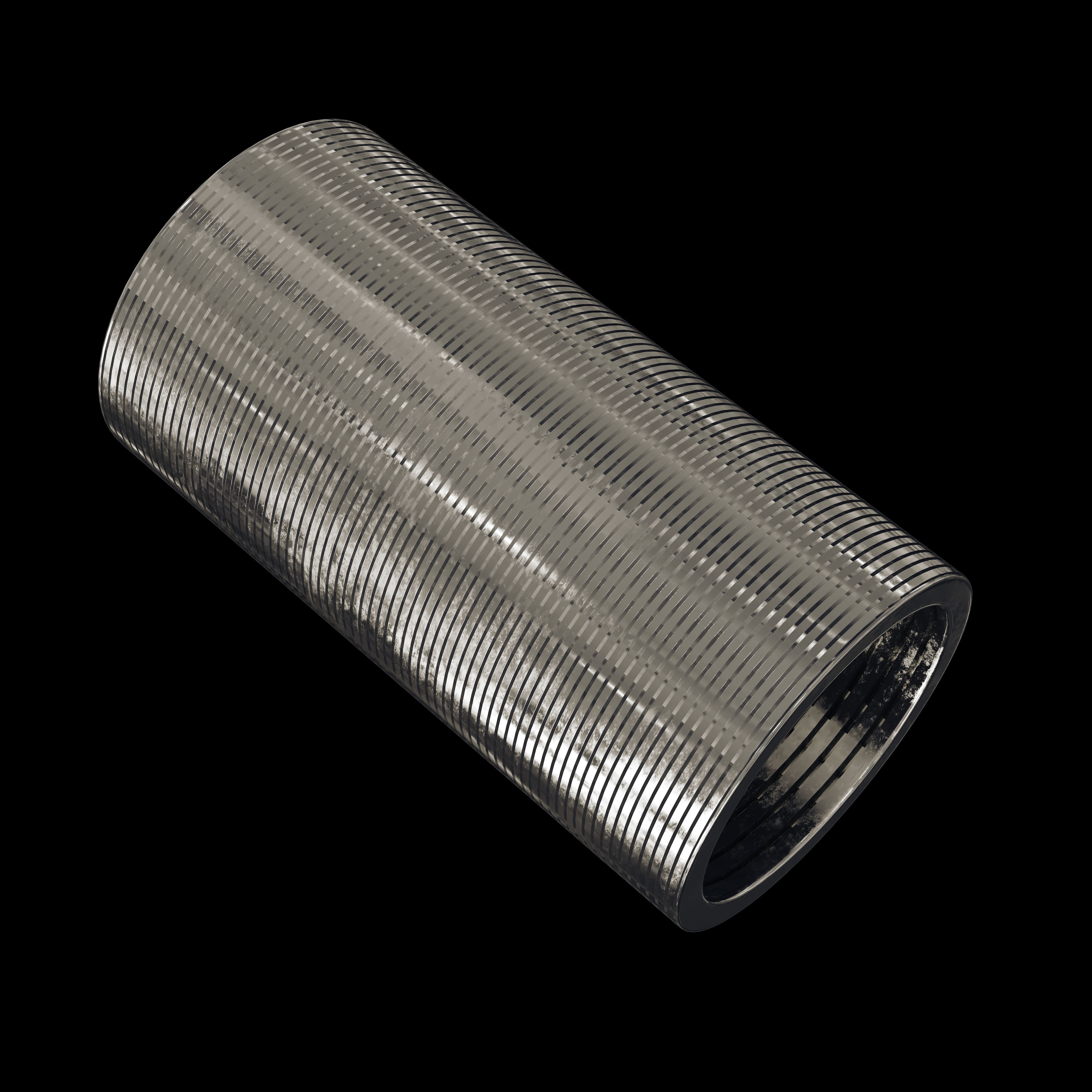
Suppliers often assume that rebar ends leave the plant in perfect condition, but the reality on a job site is messier. Field crews routinely cut, bend, or torch ends to fit formwork or resolve clashes, and those modified ends rarely match the original spec. If you are supplying threaded or coupled rebar, one rough-cut end can turn a simple connection into a time-consuming repair.
Before you ship, find out exactly how the ends will be handled after delivery. Ask whether the contractor plans to field-thread, weld, or use mechanical couplers. If field threading is expected, make sure the bar ends are square-cut and free of burrs, rust, or mill scale—otherwise the threader will chew through dies and produce weak threads. Weldable rebar needs clean, uncontaminated ends, and you should specify the maximum allowable carbon equivalent upfront.
Finally, protect the ends during transport and storage. Exposed threads or prepared ends corrode quickly, especially in coastal or high-humidity environments. Simple plastic caps or a light oil coating can save the contractor hours of cleaning and rework. If you know the site conditions, communicate any end-preparation limits clearly on the shipping documents—most field disputes start with a mismatch between what the shop produced and what the crew actually needed.
Cutting Connection Time on Densely Packed Reinforcement
Steel fixers often lose hours fumbling with couplers when bars are spaced too tight for a torque wrench. The real trick isn't a bigger tool—it's pre-staging the couplers on the top layer before the second mat drops into place. Once you flip that sequence, the connection point stays accessible, and the wrench has just enough swing to bite. No more blind threading through a 40-millimeter gap while the crane waits.
Another overlooked move is marking insertion depths on the bar ends before the pour. A quick chalk line at the exact embedment length lets the crew bottom out the coupler by feel instead of sight. Combined with a stubby impact wrench that clears adjacent stirrups, this cuts each joint from three minutes down to forty seconds on a congested column cage.
Don't ignore the value of a dedicated spotter with a mirror on a stick. When the lead hand can't see the coupler face, they waste time repositioning. A small inspection mirror wedged through the outer layer gives instant confirmation the threads are started clean, so the impact gun runs once and locks—no cross-threading, no rework, and the pour stays on schedule.
Why Some Couplers Pass a Tensile Test While Others Fall Short
Tensile testing on couplers isn't just about raw material strength—it's about where the stress concentrates. A coupler that passes typically has a uniform wall thickness and a thread profile cut with consistent depth. Even a slight variation in thread pitch or a tiny burr left from machining can trigger early necking. Those that fall short often show failure right at the first engaged thread, which points to uneven load distribution rather than an overall weak alloy.
Heat treatment is another quiet culprit. Couplers that pass usually undergo a controlled quench and temper cycle that removes residual stresses from forging or casting. Skipping stress relief or letting the part cool unevenly creates internal tension that fights against the applied load. On a test bench, that shows up as a brittle snap instead of a slow, ductile stretch. It's not always visible on the outside, but the fracture surface tells the story.
The mating hardware matters more than many assume. A coupler tested with an undersized or poorly threaded specimen can fail because the load path isn't aligned. Off-axis pull—even a degree or two—introduces bending that the coupler was never designed to handle. Passing units tend to come from lots where both the coupler and the test fixture are checked for concentricity before the run starts.
Batch-Level Checks That Keep Every Joint Predictable
Instead of assuming a process stays stable after setup, batch-level checks treat every production run as its own small universe. A sample of joints—often three to five pieces from the start, middle, and end of the batch—is pulled and measured. If any measurement drifts beyond the expected band, the entire batch is flagged before it reaches the next operation.
The data collected isn't just pass/fail. Technicians record torque values, seating depth, material hardness, or ultrasonic readings depending on the joint type. Over time, this builds a trail that shows when a tool is wearing or when raw material suppliers introduce subtle changes. The predictability doesn't come from luck; it comes from catching those small shifts while they are still cheap to fix.
For critical assemblies, batch-level checks often include destructive testing on a sacrificial sample. One joint is deliberately pulled apart or cross-sectioned to verify fusion, void content, or thread engagement. That one destroyed part gives confidence that the remaining joints in the batch share the same internal structure—and will behave the same way under load.
Matching Delivery Schedules to Concrete Pour Windows
Getting concrete to the site at the right moment rarely happens by accident. The scheduling starts with a reverse timeline: take the pour window, subtract travel time from the batch plant, then subtract batching and washout time, and you land on a dispatch moment that isn't just a suggestion. Traffic patterns matter more than distance, especially in urban areas where a ten-mile haul can swing between twenty minutes and an hour. A delivery that arrives too early sits and loses slump, while one that's late forces the crew to either rush finishing or risk a cold joint.
Staggering trucks is the real craft. Pouring a large slab with a single pump often means you want the next truck pulling up just as the previous one is discharging its last yard, but that rhythm depends on pump rate, crew speed, and how the concrete behaves on site. A practical approach is to set a target spacing of twelve to eighteen minutes between loads, then adjust based on radio calls from the pump operator or the foreman. If the pump clogs or a form shifts, the whole schedule needs to flex without creating a pileup of idling mixers.
Even the best plan needs a fallback for variables no one controls. A plant breakdown, a wreck on the only bridge, or a sudden rain shower can throw off the delivery sequence in minutes. Keep the batch plant's after-hours contact reachable, know whether a backup plant can match the same mix design, and decide in advance how many minutes of delay the pour can absorb before you stop, cut a construction joint, and reschedule the remainder. That call is easier to make before concrete is in the forms than when a truck full of mix is waiting and the crew is losing daylight.
FAQ
A dependable socket uses precision-cut threads that match the rebar's deformation pattern, so the mechanical interlock stays tight under tension and compression. High-grade alloy steel with proper heat treatment prevents thread stripping, while a full-length engagement zone distributes stress evenly instead of concentrating it at one point.
Lapped splices rely on concrete cover and bond stress, which can weaken in congested reinforcement or when bars are too close together. Threaded sockets create a direct steel-to-steel load path, so force moves through the bar without shifting into the surrounding concrete. This reduces cracking and keeps the joint stiffness closer to that of a continuous bar.
High-rise cores, bridge piers, industrial slabs, and any structure with limited space for lap lengths gain the most. They are also useful in precast connections where bars must be joined through a narrow pour strip or where couplers are cast into panels ahead of time.
Look for mill certificates that show the socket material's yield and tensile strength exceed the connected rebar's specified values. Ask about thread tolerance testing and whether the supplier can provide slip and fatigue test reports. On-time delivery from multiple warehouses also matters when site schedules shift unexpectedly.
Yes. Workers often forget to gauge the thread length before tightening, which can leave a partial engagement. Another mistake is applying excess lubricant that later traps debris. The bar ends should be cut square and deburred, and the socket should be torqued to the manufacturer's mark, not just hand-tightened.
They can, provided the product has been tested under cyclic loading that simulates seismic drift. Look for sockets designed with a longer thread run and a ductile failure mode where the bar yields before the coupler fractures. Some regions require specific performance certifications, so confirm local code acceptance before specifying.
Before concrete is poured, each joint should be visually checked for exposed threads beyond the socket ends, which indicates full engagement. After the pour, no routine maintenance is needed because the socket is embedded and protected by concrete cover. If a coupler is used in a temporary exposed condition, a light anti-corrosion coating may be applied until it is enclosed.
Conclusion
A threaded reinforcing bar socket earns its place on a job site only when the connection can handle high tension without letting the bar slide. The geometry of the thread profile, the depth of engagement, and the hardness of the coupler all work together to lock the rebar in place, so any supplier has to control those variables rather than just trusting a catalogue spec. That same discipline extends to the real-world condition of field rebar ends. Bars arriving with burrs, out-of-square cuts, or rust and concrete residue will never reach full thread engagement, no matter how well the socket is made. A supplier that asks for photos or measurements of the prepared ends before dispatch is not being difficult; it is preventing a false sense of security. In densely packed reinforcement, where bars are close together and access is tight, a compact socket design with shallow wrench flats or a taper-thread lead-in can cut connection time significantly. The less a crew has to fight the coupler, the faster the pour can start.
Tensile tests separate reliable couplers from marginal ones for a simple reason: the failure almost always happens at the first mismatched thread or a section of reduced cross-section. Some couplers pass a lab test because the sample bars were perfectly machined, yet they fall short on site when the thread run-out or the transition zone is not as forgiving. Batch-level checks are the answer here. Testing each heat of steel and each production run for thread dimensions, hardness, and proof load keeps every joint predictable instead of hoping the one good sample represents the whole shipment. Finally, a supplier that understands concrete pour windows will align delivery with the contractor's sequence — sending the right diameters and quantities in the order they are needed, not all at once. That kind of scheduling avoids stockpiling on a congested deck and makes strong concrete connections a matter of routine rather than last-minute improvisation.
Contact Us
Contact Person: HaiYan
Email: [email protected]
Tel/WhatsApp: +86 18957325588
Website: https://www.senyoubeton.com/