

Top Outdoor Tiles That Transform Any Space Instantly
2026-07-24
Imagine stepping into your outdoor space and feeling like you’ve entered a completely new world. The secret? The right tiles. From sun-soaked patios to cozy garden nooks, top outdoor tiles from Beata Ceramics can instantly elevate any area, blending beauty with resilience. But what truly sets these tiles apart? Let’s explore how a simple change underfoot can transform your exterior into a stunning retreat—without a full renovation.
Tiles That Turn a Boring Backyard into a Retreat
Imagine stepping outside to a space that feels more like a private sanctuary than a forgotten patch of grass. The right tiles can completely shift the mood of your backyard, introducing texture, pattern, and a sense of intentional design. From cool, smooth porcelain underfoot on a hot day to the organic warmth of natural stone, each material sets a different tone. A carefully chosen tile doesn’t just cover a surface—it crafts an invitation to unwind, whether you’re sipping coffee alone at dawn or hosting friends under string lights.
The magic lies in how tiles define zones within an open area. A medley of slate-grey pavers can anchor a dining nook, while terracotta hexagons draw the eye toward a fire pit conversation circle. You can even blur the line between indoors and out by extending an interior tile pattern onto a covered patio, creating a seamless flow that makes the entire home feel more expansive. Subtle variations in color and finish catch the light differently throughout the day, ensuring the space never looks static or dull.
Don’t overlook the smaller touches that elevate the retreat-like feel. Mosaic tiles around a built-in bench, a pop of hand-painted cement tiles along a garden wall, or a ribbon of pebble tiles winding through a lush bed of plants—these details add layers of charm without overwhelming the senses. By choosing tiles that complement the natural surroundings and your personal style, you turn routine outdoor moments into a daily escape. The result is a backyard that feels curated and comforting, a place you’ll crave coming back to.
Outdoor Flooring That Feels Like an Extension of Your Living Room
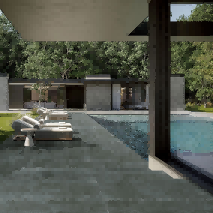
The boundary between inside and out grows fuzzier when the floor underfoot refuses to announce the transition. Instead of a jarring shift in texture or temperature, the best outdoor surfaces borrow from the comfort and visual language of our interiors. Wide planks with subtle grain, smooth stone finishes that catch the light like polished concrete, or even decking with a soft, barefoot-friendly feel turn a patio or balcony into a true living space. It's not about making the outdoors look like a room; it's about carrying that sense of welcome and ease past the threshold so you don't mentally divide your home at the back door.
Color and pattern play an understated but powerful role in this blending. Homeowners are moving away from jarring reds or harsh grey tones, instead choosing hues that echo the flooring inside—warm oak, dusty charcoal, or muted terracotta. These tones don't shout for attention but create a quiet flow. When paired with outdoor rugs, low-profile furniture, and planters that mimic indoor pottery, the deck or terrace becomes a coherent part of the home rather than a separate, harsher version of it. Even the way light falls on the surface matters; matte finishes prevent harsh glare, making the space feel more sheltered and intimate.
Texture is the secret ingredient that ties it all together. It's the slight brush of grain underfoot that makes wood composite feel more like indoor timber, or the honed, velvety surface of porcelain that invites you to walk barefoot. These tactile experiences soften the psychological distance between indoors and out. When you add elements like built-in seating that uses the same material as the floor, or a pergola that casts shadows in patterns similar to window mullions, the outdoor area becomes a sanctuary that feels thoughtfully designed—not just an afterthought with a few chairs.
Slip-Resistant and Stylish: Picks for Every Climate
Whether you're navigating rain-slicked city streets or dewy morning trails, the right pair of shoes can keep you upright without sacrificing flair. Modern slip-resistant footwear blends clever tread patterns with materials that repel water while still turning heads—think sleek leather boots with hidden grip technology or colorful sneakers that laugh in the face of puddles.
In drier, hotter regions, the challenge shifts from wet surfaces to loose gravel or polished floors. Here, breathable uppers meet soles that grab like a gecko, letting you stroll through markets or dash across hotel lobbies with confidence. The best designs serve up comfort and cool in equal measure, often with minimalist profiles that dress up or down effortlessly.
When winter rolls in with ice and slush, style doesn't have to hibernate. Insulated, water-resistant pairs with deep lugs or even micro-spikes give you the stability to crunch through snow while looking sharp. From après-ski chic to rugged everyday wear, these picks prove that safety and good looks can coexist all year long.
Creative Layouts That Make Small Patios Look Massive
Playing with angles is one of the simplest yet most overlooked tricks. Instead of pushing everything against the walls, try placing your seating on a diagonal. This creates longer sight lines and breaks up the predictable boxy feel, making the space feel dynamic and larger than it actually is. A corner bench angled slightly outward with a round table can transform a cramped footprint into a cozy but open conversation zone.
Zoning is another powerful tool that adds depth without physical walls. Use different flooring materials, a weatherproof rug, or even varied planter arrangements to define distinct areas for lounging, dining, and greenery. The visual separation tricks the eye into reading multiple rooms, giving the illusion of expansiveness. A step up or a change in paving pattern can also subtly signal a shift in function without stealing square footage.
Finally, consider verticality and borrowed views. Drawing the eye upward with tall slender planters, hanging greenery, or a statement trellis reduces the focus on limited ground space. Where possible, create an opening in fencing or use transparent railings to borrow the landscape beyond your patio—suddenly your small patio doesn’t end at its physical boundary but merges with the larger surroundings.
The Secret to a Low-Effort, High-Impact Makeover
Sometimes the most transformative changes come from the smallest tweaks. Instead of a full renovation or a closet overhaul, focus on one high-visibility upgrade—like swapping out tired throw pillows for plush, textured ones in a striking hue. It’s a quick switch that can redefine the entire mood of a room without draining your weekend or your wallet.
Another trick is to lean into lighting. A well-placed floor lamp with a warm bulb, or even a set of under-cabinet LEDs in the kitchen, can alter the atmosphere far more than a fresh coat of paint. These changes are intuitive and effortless—often taking under ten minutes—yet they make the space feel instantly more intentional and inviting.
Resist the urge to overthink. High impact doesn’t require a grand gesture; it requires a keen eye for what feels off. Pinpoint one neglected corner, one bare wall, or one tired fixture, and give it a touch of personality. The cumulative effect of these micro-makeovers is a home that feels consistently refreshed, with hardly any effort on your part.
Mixing Materials for a Designer Touch Without the Price Tag
Combining different textures can instantly elevate a space without costing a fortune. Try pairing a smooth marble-look contact paper on a thrifted coffee table with woven rattan baskets tucked underneath. The contrast between the faux stone surface and natural fibers creates visual depth that reads as intentional and curated, not cheap.
Even small swaps make a difference. Swap out standard drawer pulls for leather strap handles on a budget dresser, or restyle bookshelves by mixing glass vases with raw ceramic pots. Layering materials like wood, metal, and fabric within a single piece of furniture—such as a wooden bench with hairpin legs—gives it that bespoke, designer feel. The trick is to keep the color palette cohesive so the mix feels harmonious rather than chaotic.
Don’t overlook soft furnishings. A plain sofa can gain a high-end look when draped with a chunky knit throw and accented by linen cushions alongside a single velvet one. These tactile combinations invite touch and add richness, mimicking the layered interiors you’d see in upscale catalogs, all while using accessible, affordable items.
FAQ
The right outdoor tile acts like an instant floor makeover—just lay it down and the whole area shifts from bland to bold. Porcelain and natural stone options snap into place with minimal prep, offering a fresh look in an afternoon without the mess of pouring concrete or staining wood.
Go for a matte or textured finish with a high slip resistance rating. Unglazed porcelain or split-face slate gives you that grip without sacrificing style, and they shrug off chlorine and water spots better than glossy surfaces that turn into ice rinks when wet.
Absolutely. The trick is to anchor the design with one dominant tile and use a contrasting smaller-format option as a border or accent strip. For example, run large flagstone slabs across the main area and frame it with a narrow cobblestone edge—it defines zones and adds handcrafted character.
Start with a proper base: a compacted gravel and sand bed, then use frost-proof tiles rated for temperature swings. Porcelain with low water absorption is ideal. Leave a slight gap for expansion, and avoid trapping moisture with sealed edging. A little planning means they’ll survive decades of freeze-thaw cycles.
They’re close to it. Sweep off debris once a week, and give them a quick hose-down with mild soapy water every few months. For stubborn stains on natural stone, a pH-neutral cleaner does the job. Unlike decking, there’s no annual sanding or staining, so your weekends stay yours.
Take them vertical. Clad a plain garden wall or raised planter in the same tile as your patio for a seamless flow. You can also cap a bench or build a low sitting wall with coordinating tiles—it stitches the whole yard together and makes the space feel intentionally designed rather than thrown together.
Conclusion
Outdoor tiles have the power to completely redefine a space, turning even the most uninspiring backyard into a personal retreat. By choosing designs that mimic natural stone or wood, you blur the line between indoors and out, making your patio feel like a seamless extension of your living room. The key is in the details: slip-resistant textures ensure safety without sacrificing style, and they hold up in any climate, from rainy coasts to sun-drenched decks. With creative layouts—like herringbone or large-format tiles set on a diagonal—you can visually expand a compact patio, giving it an airy, open feel that defies its actual size.
What makes these tiles truly transformative is how effortlessly they deliver a high-impact update. You don’t need a full renovation; simply swapping out tired flooring instantly modernizes the area. Mixing materials, such as pairing concrete-look tiles with wood accents, introduces a designer touch that feels curated yet approachable—and it won’t break the bank. The beauty lies in the low-maintenance appeal: durable porcelain or ceramic options resist stains and fading, so your outdoor haven stays fresh with minimal effort. Ultimately, the right tiles don’t just cover ground—they elevate everyday living, turning any outdoor corner into a stylish, functional escape you’ll never want to leave.
Contact Us
Contact Person: Emma
Email: [email protected]
Tel/WhatsApp: 8618064423698
Website: https://www.beataceramics.com/