

Ultrasonic Cavitation Machine Factory: Your Guide to Quality Manufacturing
2026-08-09
Diving into the ultrasonic cavitation market? The factory behind your device matters more than you think. At Omeina, precision engineering and rigorous quality control aren’t just promises—they’re the foundation of every machine shipped. Whether you're launching a new beauty brand or scaling up, understanding what separates a reliable manufacturer from the rest can save you time, money, and reputation. Let’s uncover what truly counts in a manufacturing partner.
Understanding the Core of Ultrasonic Cavitation Technology
Ultrasonic cavitation relies on high-frequency sound waves, typically above 20 kHz, transmitted into a liquid medium. These waves create alternating high- and low-pressure cycles. During the low-pressure phase, microscopic bubbles or voids form from dissolved gases and vapor. As the pressure swings back to high, these bubbles collapse violently, generating intense local energy. This implosion releases shockwaves, extreme temperatures (up to 5,000 K), and pressures exceeding 1,000 atmospheres, all within a microscopic area. It’s this precise, repeatable collapse that drives applications from ultrasonic cleaning to medical therapies.
The effectiveness of the process hinges on several physical parameters: frequency, intensity, and the liquid’s properties like viscosity and gas content. Lower frequencies produce larger, more energetic cavities, ideal for heavy-duty cleaning or emulsifying. Higher frequencies generate smaller bubbles with gentler implosions, suited for delicate tasks like cell disruption or nanoparticle synthesis. Engineers often tune these variables to optimize cavitation intensity without causing unwanted erosion or noise, turning a seemingly chaotic phenomenon into a controlled tool for industrial and scientific use.
While the concept sounds straightforward, real-world cavitation is a dynamic, nonlinear event. The bubble collapse is asymmetric, often near solid boundaries, creating microjets that can pit surfaces or enhance mixing. This asymmetry is harnessed in applications like kidney stone fragmentation or targeted drug delivery, where cavitation is carefully focused. Understanding these underlying mechanics allows researchers to push boundaries, developing sonochemistry methods and advanced medical treatments that rely on the precise harnessing of collapsing bubbles.
What Sets a Reliable Manufacturing Partner Apart
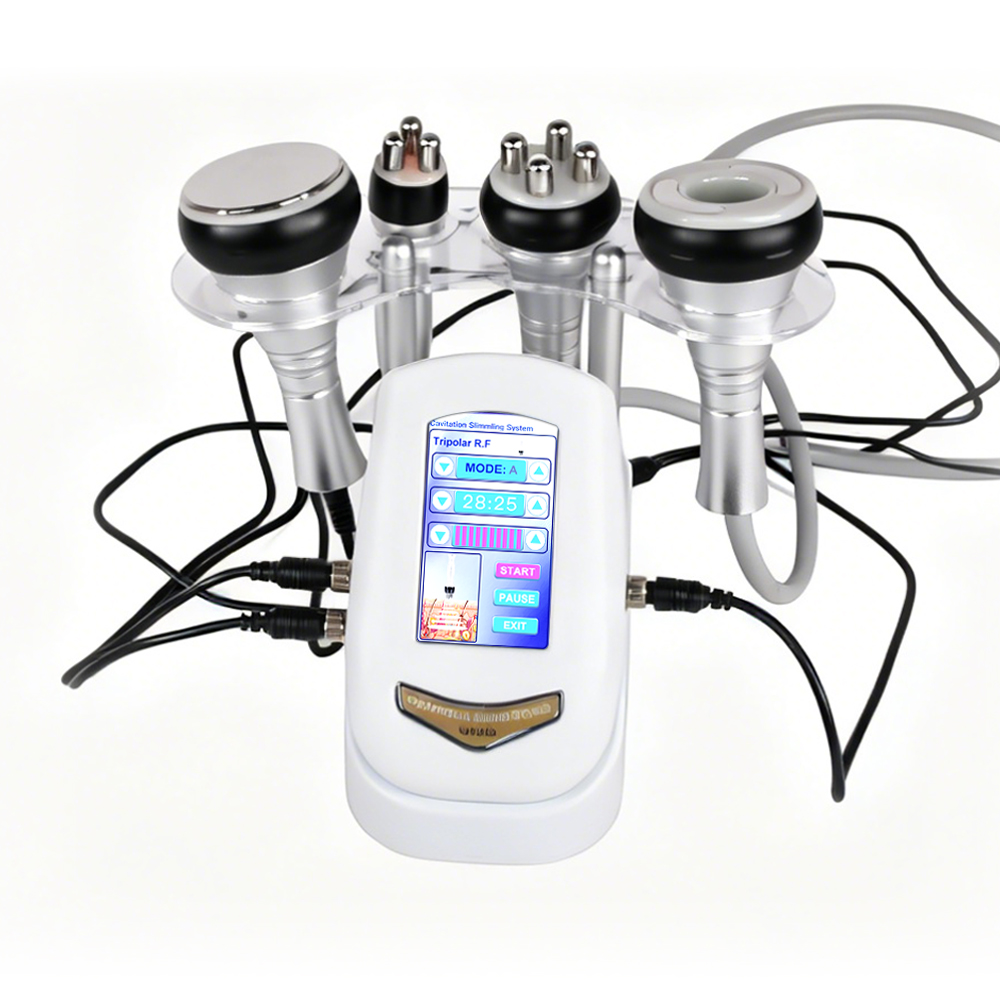
In a landscape crowded with suppliers, the true differentiator often lies in a partner’s ability to anticipate challenges before they arise. It’s not merely about fulfilling orders but about understanding your product’s lifecycle so deeply that potential bottlenecks—from material sourcing to final assembly—are resolved proactively. A reliable partner invests time in learning your specifications, not just checking boxes, but genuinely engineering solutions that streamline production and minimize waste.
Beyond technical capability, transparency in communication forms the backbone of a trustworthy relationship. You need a partner who shares real-time production updates, flags delays without sugarcoating, and welcomes scrutiny at every stage. This openness builds a shared sense of ownership, turning a transactional exchange into a collaborative effort where both sides are equally invested in the outcome.
Finally, a reliable manufacturing partner distinguishes itself through stringent quality controls that go beyond standard certifications. They implement layered inspection protocols at multiple production points, ensuring consistency even as volumes scale. This obsession with detail, combined with a genuine curiosity for your industry’s evolving needs, creates a partnership that adapts and endures long after the first shipment leaves the dock.
Behind the Scenes: Production Precision and Consistency
Every detail in the production line is calibrated to the micron, but it’s the human eye that catches what machines overlook. Skilled technicians hand-check critical dimensions at random intervals, blending automated precision with decades of craft intuition. This tandem of steel and sensitivity means no two shifts produce identical work—they produce identically flawless work.
Raw materials arrive in small, traceable batches, each tested beyond industry norms. Instead of relying solely on computer vision, we subject random samples to abrupt temperature shifts and vibration patterns that mimic years of field use. A slight mottle in the grain or a nearly silent warble is flagged and traced back to its source, often before the batch reaches the line. The result isn’t just consistency on a spec sheet; it’s a living document of trust between supplier and floor.
Real-time process logs are reviewed not by algorithms alone, but by a rotating team of engineers who still value the story behind the numbers. They correlate morning humidity to micron drift, or correlate a supplier’s container change to a subtle shift in feed rate. These quiet observations, often jotted on the margins of shift reports, become preventive adjustments. It’s this blend of data and intuition that turns a standard into a habit, and a habit into a legacy.
Material Selection and Its Impact on Device Longevity
Every device, from consumer electronics to industrial machinery, begins with a fundamental decision: what materials to use. This choice often dictates how long the device will function before degradation sets in. Materials exposed to cyclic stress, for instance, must possess high fatigue resistance to avoid microscopic cracks that grow over time. Similarly, components in corrosive environments demand alloys or polymers that can withstand chemical attack without pitting or embrittlement. Even subtle factors like thermal expansion compatibility between adjacent parts can prevent warping and seal failures that shorten operational life.
Beyond immediate durability, material selection influences how a device ages under real-world conditions. Ultraviolet radiation, humidity, and temperature swings all take a toll, but the right material can slow this aging dramatically. For example, certain elastomers retain flexibility after years of exposure, while others turn brittle and crack. In food processing equipment, stainless steels with appropriate chromium and nickel content resist pitting from acidic substances, keeping surfaces hygienic and functional far longer than inferior grades. These decisions require balancing cost, manufacturability, and long-term performance—a trade-off that heavily shapes device longevity.
Ultimately, the impact of material selection extends beyond the device itself to maintenance cycles, user safety, and environmental footprint. A well-chosen material can eliminate the need for frequent lubrication or replacement parts, reducing downtime and waste. Consider the case of bearings in wind turbines: opting for advanced ceramics instead of standard steel can mean the difference between a decade of trouble-free operation and multiple costly overhauls. When engineers prioritize longevity at the material level, they create devices that not only last longer but also perform more consistently throughout their extended lifespan.
Navigating Customization for Brand-Specific Needs
Every brand carries a unique set of values, visual language, and functional requirements that off-the-shelf solutions rarely satisfy. Customization isn't just about changing colors or swapping logos—it's about translating your brand's identity into every interactive element. From bespoke design systems that mirror your style guide to tailored workflows that match how your team actually operates, genuine customization ensures the final product feels inherently yours rather than an adapted template.
Achieving this level of alignment demands a collaborative approach where developers and stakeholders dig into the nuances. It starts with listening sessions that uncover not only what you need now but also where your brand is heading. Whether it's an unconventional navigation structure, a signature animation style, or a checkout flow that reduces friction in a way no competitor offers, each decision is weighed against your brand's long-term narrative. The result is a digital presence that tells your story consistently, without compromise.
Scalability plays a central role—custom features shouldn't become roadblocks as your brand evolves. Smart architecture allows you to introduce new branding elements, content types, or regional variations without rebuilding from scratch. This approach transforms customization from a one-time project into a living framework that adapts alongside your market position, keeping your brand resonant and distinct no matter how crowded the landscape becomes.
Post-Production Support and Quality Assurance
Even after the final cut is locked, the journey isn’t over. Our post-production support team stays on hand to address any last-minute tweaks—whether it’s adjusting color grades, refining audio mixes, or swapping out a shot that no longer feels right. We understand that creative vision sometimes needs that extra polish, and we’re ready to make it happen without unnecessary delays.
Quality assurance isn’t just a checklist for us; it’s a mindset that runs through every frame. We dig into the details—scrutinizing transitions, verifying sync across multiple formats, and stress-testing deliverables on various devices. This hands-on approach catches subtle issues that automated processes often miss, ensuring your final product looks and sounds impeccable wherever it’s played.
Beyond technical checks, we treat each project as a living thing that can evolve. From adding captions and localized versions to optimizing for different platforms, our support extends well past the premiere. The goal is simple: give you peace of mind that your content remains flawless, no matter where it ends up.
FAQ
Focus on their engineering expertise and track record. A dependable factory will have years of experience, a portfolio of clients, and clear technical specifications. Check if they use medical-grade components and offer customization, as this often indicates they're not just a generic assembler.
It's all about the details—properly sealed handpieces to prevent moisture damage, durable transducers that maintain stable frequency, and rigorous testing cycles. Factories that skip these steps end up with machines that lose power after a few months. Good manufacturing includes thermal imaging scans and frequency calibration on every unit.
ISO 13485 for medical devices is the gold standard, but also look for CE and RoHS compliance. A serious factory will have their products independently lab-tested for safety and output accuracy. Don't just take their word—ask for the certificates and cross-check them online.
Absolutely, and it's a sign of a flexible manufacturer. Many offer OEM/ODM services where you can choose the outer casing color, logo placement, even the LCD interface layout. The best partners give you a dedicated project manager to walk you through each design phase, from concept to prototype.
Typically 15 to 30 days after sample approval, but it varies. It depends on the complexity of your customization and the factory's current production load. Always ask for a production calendar and build in a buffer for quality audits. Quick turnarounds sometimes mean they're cutting corners.
Request a production video or live-streamed factory tour. You should see burn-in tests where machines run continuously for 24-48 hours, and final inspection checklists with serial numbers. A transparent factory will welcome this request; shady ones make excuses.
They should offer detailed troubleshooting guides, video tutorials for common repairs, and direct access to an engineer via call or chat. Some even provide spare parts with the first order. Avoid factories that vanish after shipping—good after-sales support is a hallmark of a legitimate operation.
Yes, significant ones. It comes down to the transducer quality and circuit board tuning. A high-grade piezoelectric element from a known supplier can produce consistent 40KHz vibrations, while cheaper ones fluctuate. The power calibration method also matters—ask if they use a hydrophone to measure actual output underwater.
Conclusion
Exploring ultrasonic cavitation at its core reveals a dance of high-frequency sound waves creating microscopic bubbles that implode with intense energy, breaking down fat cells and rejuvenating skin. In a factory setting, translating this delicate physics into reliable machinery demands an obsession with precision—every transducer calibration, every soldered connection, every oscillation must be tuned to perfection. Behind the production curtain, consistency isn’t a buzzword but a daily ritual: batches of piezoelectric ceramics are tested for resonance purity, stainless steel handpieces undergo CNC machining with micron-level tolerances, and assembly lines hum with technicians who pair technical expertise with a jeweler’s eye for detail. Longevity hinges on material choices—medical-grade alloys resist corrosion from conductive gels, while durable cabling and sealed circuitry protect against the wear of countless treatment cycles.
A factory truly becomes a partner when it embraces brand-specific customization as a collaborative art rather than a checkbox exercise. This means co-designing ergonomic handles that mirror a brand’s aesthetic, tweaking frequency output for unique treatment protocols, or integrating smart interfaces that speak a client’s software language—all without compromising the stable, safe performance that defines a premium device. Then comes the quiet backbone of post-production: rigorous lifetime simulation tests, individual unit calibration reports, and responsive after-sales teams that turn troubleshooting into a learning loop. It’s this fusion of silent engineering rigor and adaptive, human-centric support that separates a manufacturer who ships products from one who nurtures lasting brand success.
Contact Us
Contact Person: Tina Liu
Email: [email protected]
Tel/WhatsApp: 8618681405932
Website: https://www.omeinabeauty.com/