

Unleash Your Culinary Dreams: Essential Supply Strategies for Every Food Truck
2026-04-03
Have you ever dreamed of hitting the open road with a delicious menu that’s uniquely yours? Launching a food truck isn’t just about passion—it’s about mastering the essentials that turn culinary visions into thriving mobile businesses. In this guide, we’ll explore key supply strategies to help you streamline operations and boost success. As leaders in the industry, Oriental Shimao has seen countless entrepreneurs transform ideas into reality. Dive in to discover how smart planning can make your food truck the talk of the town!
Curate Your Mobile Kitchen with Essential Equipment
A well-equipped mobile kitchen can transform your culinary adventures from basic to exceptional, whether you're camping, food truck operating, or catering events on the go. Start by focusing on versatile tools that maximize functionality in limited spaces, like a portable induction cooktop for quick and energy-efficient heating, or a compact multi-cutter that handles slicing, dicing, and grating with ease. Don't overlook durable, non-slip utensils and nesting cookware sets that pack down neatly—these small investments can drastically reduce setup time and boost your efficiency in dynamic environments.
Beyond the basics, consider adding specialized gear tailored to your style. For instance, if you're into outdoor grilling, a foldable grill grate or a portable smoker can elevate your meals with rich, smoky flavors. If baking is more your thing, a small, battery-powered oven might be a game-changer. Always think about ease of cleaning and storage; items that are dishwasher-safe or have removable parts can save you headaches after a long day of cooking on the move.
Lastly, safety and sustainability should be integral to your mobile kitchen setup. Opt for gear with reliable temperature controls, secure handles, and flame-resistant materials to prevent accidents. Incorporating eco-friendly options, such as reusable silicone bags or biodegradable utensils, not only reduces waste but also appeals to environmentally conscious clients and guests. Remember, a thoughtful curation of equipment not only enhances your workflow but also reflects your commitment to quality and innovation in mobile cooking experiences.
Develop a Strategic Menu for Maximum Profitability
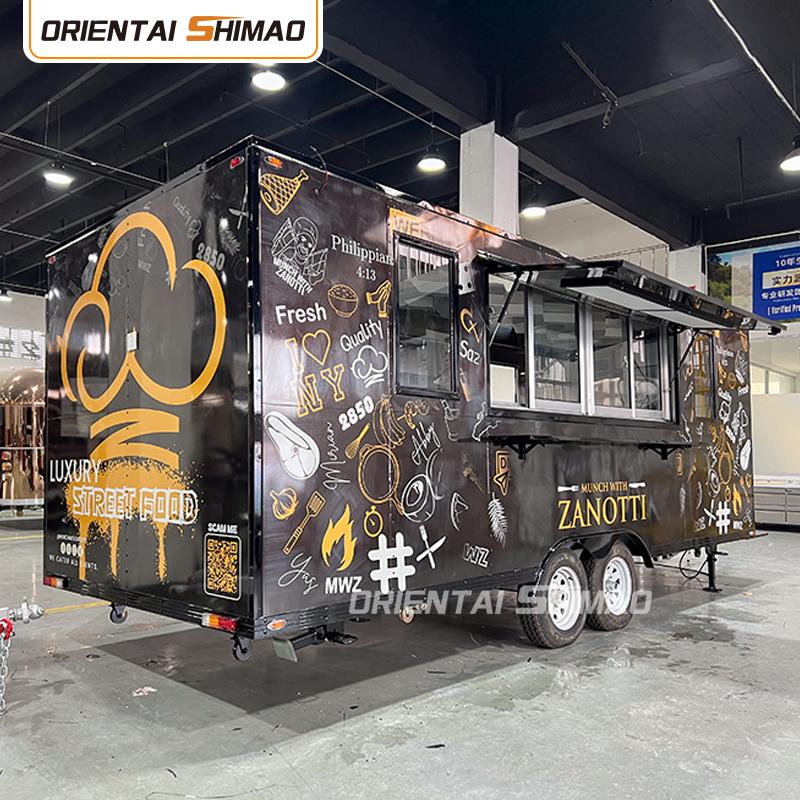
Creating a strategic menu isn't just about listing items—it's about engineering profitability. Start by analyzing your costs and margins for each dish, then spotlight high-margin items through eye-catching descriptions or featured sections. Consider seasonal ingredients to keep offerings fresh and cost-effective, while using limited-time promotions to drive interest and sales. A well-crafted menu balances customer favorites with profitable newcomers, turning every choice into a revenue opportunity.
Design plays a crucial role in maximizing profits, so think beyond the plate. Use layout techniques like the "golden triangle"—placing high-profit dishes in prime spots where eyes naturally land. Simple tweaks, like bundling items into combos or suggesting premium add-ons, can subtly boost the average check. Even font sizes and colors can guide decisions; make profitable items pop without appearing pushy.
Don't forget to leverage data and feedback for continuous improvement. Monitor which items sell best and adjust portions or pricing accordingly. Encourage staff to recommend strategic pairings or upsell discreetly. By treating your menu as a dynamic tool—regularly updated based on trends and performance—you'll keep profits climbing while maintaining a customer experience that feels both thoughtful and indulgent.
Secure Top-Quality Ingredients to Elevate Your Offerings
Sourcing the finest ingredients isn't just a checkbox on a quality list—it's the backbone of any standout product. In today's market, where customers are more discerning than ever, securing top-tier materials means going beyond basic certifications. It's about building direct relationships with trusted suppliers who prioritize sustainability and transparency, ensuring every component meets rigorous standards from farm to table. This commitment doesn't just enhance flavor or efficacy; it builds a foundation of trust that resonates with consumers seeking authenticity and excellence.
By focusing on premium ingredients, you create a ripple effect that transforms your entire lineup. Imagine incorporating rare, ethically harvested botanicals or locally sourced, organic produce—these elements can differentiate your offerings in a crowded marketplace. It's not merely about adding value; it's about crafting experiences that tell a story of care and craftsmanship. When customers recognize the quality behind what they're buying, they're more likely to become loyal advocates, driving word-of-mouth and long-term success.
Ultimately, elevating your offerings through superior ingredients is a strategic move that pays dividends. It allows you to command a premium price point while reducing the risk of recalls or negative feedback. Plus, it fosters innovation, as high-quality inputs inspire creative recipes and formulations that keep your brand fresh and relevant. In a world where shortcuts are tempting, this dedication to excellence sets you apart, turning everyday products into memorable staples that people genuinely love and trust.
Master Inventory Management for Seamless Operations
Efficient inventory management isn't just about keeping stock in check; it's the backbone of any thriving business that aims for smooth, uninterrupted operations. By mastering this discipline, companies can respond swiftly to market demands, reduce overhead, and enhance customer satisfaction. Imagine a system where every item is tracked with precision, ensuring that resources are allocated optimally and waste is minimized. This level of control transforms potential chaos into a streamlined process, allowing teams to focus on growth rather than firefighting shortages or surpluses.
A key aspect of mastering inventory management involves leveraging the latest technologies and analytics to predict trends and adjust stock levels proactively. Instead of relying on guesswork, businesses can use data-driven insights to anticipate customer needs and seasonal fluctuations. This proactive approach helps prevent common pitfalls like stockouts or overstocking, which can drain profits and disrupt operations. Integrating smart tools into your workflow automates tedious tasks, freeing up time for strategic planning and innovation, ultimately creating a more resilient and agile operation.
Beyond the numbers, successful inventory management fosters a culture of efficiency and collaboration across departments. When teams from sales to procurement have real-time access to inventory data, coordination becomes seamless, and decision-making is more informed. This synergy not only boosts productivity but also strengthens supply chain relationships, ensuring that partnerships are built on reliability and trust. Mastering this area means turning potential operational headaches into competitive advantages that drive long-term success and stability.
Optimize Your Food Truck's Layout for Efficient Workflow
Transforming your food truck's layout from a cramped jumble into a streamlined kitchen-on-wheels can boost your daily output and keep stress levels in check for your team. It's all about creating a natural flow—imagine setting up your prep station right next to the cooking area, so ingredients slide smoothly from chopping board to sizzling pan without unnecessary steps. A smart layout reduces cross-traffic, allowing orders to zip through assembly and payment with fewer bottlenecks.
Consider the placement of equipment like grills and coolers; positioning them based on frequency of use can cut down on wasted movement. For instance, storing utensils within arm's reach of the cook eliminates those frantic searches mid-rush, keeping service snappy and customers happy. Even small tweaks, such as adding a designated order pick-up zone, can prevent pile-ups and ensure each dish reaches its owner fresh and fast.
Beyond just physical arrangement, think about how your workflow adapts to peak hours—maybe a modular setup with removable shelves can offer flexibility when the line gets long. By optimizing your layout, you're not just rearranging gear; you're crafting an environment that supports efficiency, reduces errors, and helps your food truck thrive in the competitive street food scene.
Implement Sustainable Practices for Long-Term Success
Implementing sustainable practices isn't just a passing trend; it's about building a foundation that supports enduring growth and resilience. By weaving environmental, social, and economic considerations into everyday operations, businesses can navigate shifting markets with greater confidence while fostering trust among stakeholders. This holistic approach helps ensure that today's successes don't come at the expense of future viability.
To truly make a lasting impact, it's essential to move beyond surface-level efforts and embed sustainability into the core decision-making processes. This might involve adopting innovative technologies that reduce resource consumption, cultivating a corporate culture that values ethical sourcing, or partnering with communities to address broader challenges. These actions not only mitigate risks but also open doors to untapped opportunities and enhanced competitiveness.
Ultimately, committing to sustainable practices is a strategic investment in longevity. It encourages continuous improvement, adaptability in the face of change, and the cultivation of positive relationships that extend beyond immediate profits. When organizations prioritize long-term well-being over short-term gains, they create a legacy of responsibility and innovation that stands the test of time.
FAQ
Focus on negotiating with local suppliers for fresh ingredients, building relationships with wholesalers for bulk discounts, and planning a flexible inventory system to reduce waste and adapt to seasonal changes.
Consider buying used equipment from reputable dealers, prioritize essential items like a reliable grill and refrigeration, and explore leasing options for high-cost items to spread out expenses.
Use temperature-controlled storage units, label all containers with dates, and follow strict food safety protocols during transit to prevent spoilage and ensure compliance with health regulations.
Develop backup suppliers for critical items, maintain a small buffer stock of non-perishables, and adjust your menu quickly to use available ingredients without compromising quality.
Source ingredients in-season for better prices, minimize packaging waste by using eco-friendly options, and train staff to optimize portion control to cut down on excess usage.
Implement inventory tracking apps to monitor stock levels in real-time, use online ordering platforms to automate purchases, and analyze sales data to forecast demand and adjust orders accordingly.
Partner with local events to secure bulk orders, offer limited-time specials using surplus ingredients, and engage customers through social media to build demand and reduce supply uncertainty.
Sustainability is crucial for cost savings and brand appeal; opt for reusable or compostable packaging, source from local organic farms, and implement recycling programs to minimize environmental impact.
Conclusion
Launching a food truck requires meticulous planning around supplies, beginning with equipping your mobile kitchen with durable, space-efficient appliances like grills, fryers, and refrigeration that match your menu's demands. Curating essential equipment ensures you can handle peak hours without breakdowns. Simultaneously, develop a strategic menu focused on high-profit, low-waste items that leverage seasonal ingredients and cater to local tastes, boosting profitability while simplifying inventory. By securing top-quality, fresh ingredients from reliable suppliers, you elevate your offerings, building customer loyalty through consistent, delicious meals that stand out in a competitive market.
To maintain seamless operations, master inventory management by tracking stock levels in real-time to prevent shortages or spoilage, reducing costs and waste. Optimize your truck's layout for an efficient workflow, placing stations logically to minimize movement and speed up service during rushes. Finally, implement sustainable practices like composting, recyclable packaging, and energy-efficient equipment, which not only cut long-term expenses but also attract eco-conscious patrons. Together, these supply strategies—from equipment and menu design to sustainability—unleash culinary dreams by creating a resilient, profitable food truck poised for enduring success in the dynamic street-food scene.
Contact Us
Contact Person: Jack Wang
Email: [email protected]
Tel/WhatsApp: 8618306483516
Website: https://www.orientalshimaofoodtruck.com